
What is the difference between horse smuggling and the long-distance transport of horses to slaughter?
World Horse Welfare sets out the key differences, step-by-step.
Posted on 23/02/2026
Share


World Horse Welfare was born in 1927 after our founder, Ada Cole, was moved to create a campaigning organisation to stop work-weary horses from being forced onto ships and exported from Britain to slaughter abroad. She was determined in her belief that at the end of their lives, horses should not be subjected to long journeys in poor welfare conditions.
While the ban on live export to slaughter from Britain is now law – due to The Animal Welfare (Livestock Exports) Act 2024 – animals around the world are still being subjected to long journeys – legally within Europe, and illegally through Britain and Europe at the hands of horse smugglers.
Continuing Ada’s work, we are campaigning in the UK and EU for greater protections for these horses.
We catch up with Laura Yearley, our Design and Production Officer, who has designed a visual guide to clearly set out the key differences between horse smuggling and the long-distance transport to slaughter. Here, she talks us through it…
What is horse smuggling?
“Simply put, horse smuggling is the illegal movement of horses, ponies, donkeys and mules, often across country borders.
Why does horse smuggling happen?
“When horses are moved in breach of the laws that are there to protect them, it can be really challenging to understand why traders might do this. There could be a financial incentive or there may be a link to organised criminal activities.

Movements that put horses at high risk of injury, disease and neglect
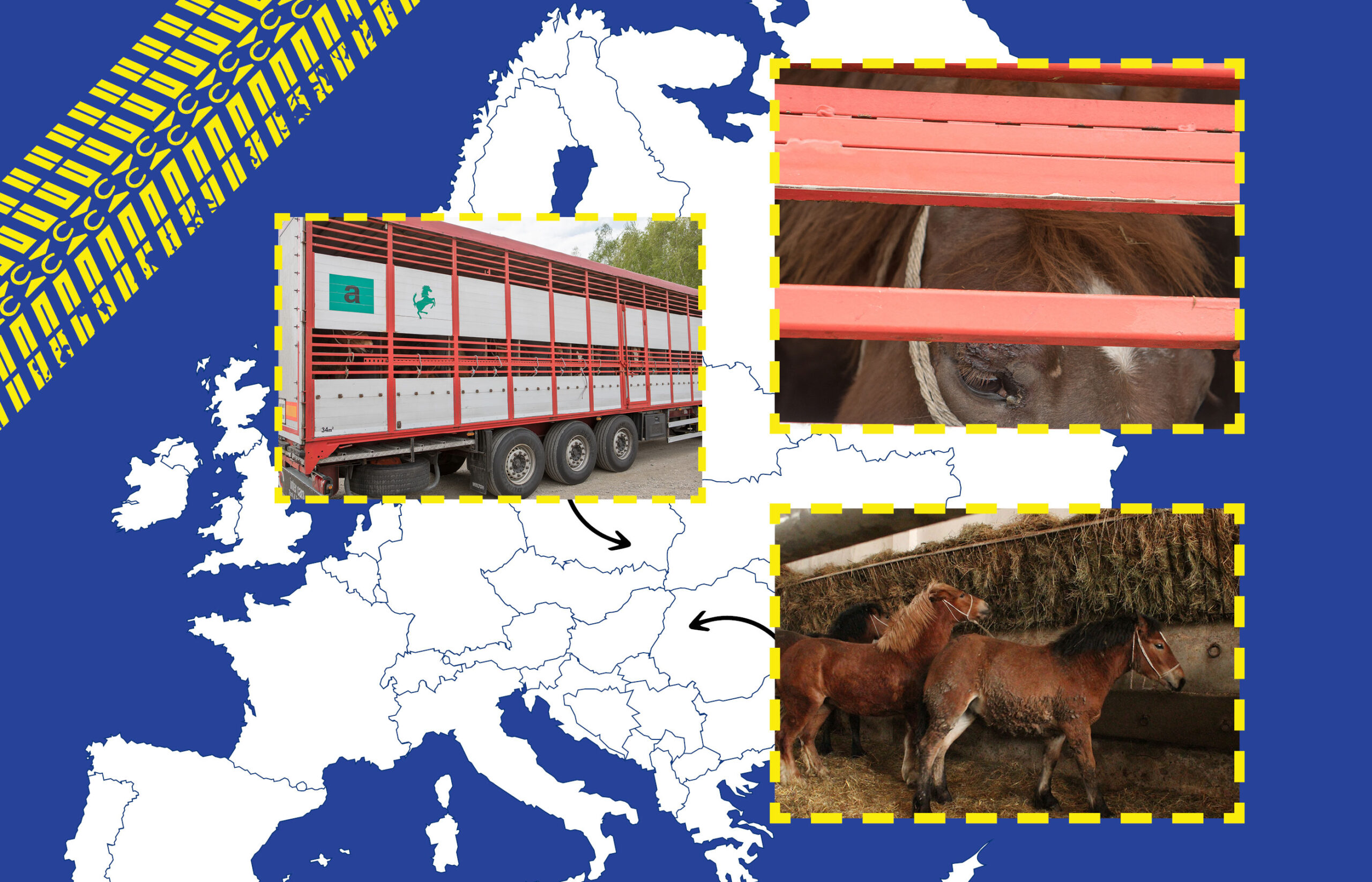
“If you look at the visual guide above, horse smuggling is shown in yellow. Horses caught up in this trade can include Thoroughbreds, Welsh cobs, pregnant mares, Shetland ponies and donkeys – a whole mix of breeds and species. The map shows an example of a route horses like these could be taken on at the hands of horse smugglers – one that may have been taken by the Dover 26 group who came into our care after they were discovered being smuggled out of Britain on an overloaded transporter.
“Through smuggling, these horses are exposed to a raft of welfare concerns and experience horrific conditions, including a lack of water, cramped and filthy surroundings, exhaustion, stress, rough handling, unsafe environments and an increased risk of disease.
“The example route we have shown highlights the multiple journeys that can take place back-to-back, over days of restless travelling across land and sea. The journey might start with a small 3.5 tonne transporter which already has four horses crammed inside. Beginning its journey somewhere in England, it could travel north before crossing over to Ireland. Here, the transporter might stop and swap vehicles and loads to help keep their movements undetected. They could then continue their journey across the border into Europe – or they could stay within Great Britain, going full circle.
Where do smuggled horses end up?
“With these journeys, horse smugglers are using falsified paperwork, fraudulent passports and carefully planned routes to try and cover their tracks and hide their movements. Tragically, these horses can therefore end up anywhere as they are just not traceable.
“Some of the horses may go to slaughter in Europe, or some might be given a new identity and microchip to hide their history, a tactic smugglers use to increase their value. For example, 17-year-old injured mare Rosie could become 10-year-old Hilda with a passport to match and wrongfully sold on as a ridden pony.
Using research to drive positive change
“The example we have illustrated is based on our own evidence gathering into horse smuggling throughout Britain and into Europe. But we also know that horses are being illegally moved around Europe too and may even enter Great Britain from the continent.
What is World Horse Welfare doing to stop horse smuggling?
“World Horse Welfare is calling for better ID and traceability for horses, better welfare during transport and better enforcement – all through our #StopHorseSmuggling campaign.
“We will continue to gather evidence of the illegal trade in horses and keep applying pressure to law makers to improve animal welfare legislation to better protect horse welfare.
“To improve traceability, we will also continue to campaign for a digital equine identification and traceability system to be put in place in Britain and the EU. And, as we have done for nearly 100 years, we will continue work in collaboration with other animal welfare organisations and policymakers to identify solutions to improve the enforcement of animal welfare laws.
What is the long-distance transport of horses to slaughter?
“If you look at the visual guide below, the legal, long-distance transport to slaughter across Europe is shown in red and can include a mix of horses but especially large, heavy breeds (‘meat horses’).
“Every year, around 14,500 horses are packed into trucks and driven on needlessly long distances across Europe to slaughter. Some horses travel on these stressful journeys for days, over thousands of miles, with little chance to rest, eat or drink.
Journeys of 60 hours across continents
“On the map is an example of a long-distance route for a Iarge transporter travelling horses to slaughter. It starts in Poland and stops in Hungary at a control post for 24 hours before continuing its journey to any number of slaughterhouses in Italy.
“These journeys are very long and are often in the region of 60 hours. Horse can travel for up to 24 hours in a stretch without any rest and just like smuggled horses, they are exhausted, stressed, severely dehydrated, experience rough handling, unsafe environments and suffer unnecessarily.
What World Horse Welfare is calling for
“Our goal is clear: to ensure horses are protected from the often physical and mental distress of long-distance journeys, with better safeguards in place throughout the whole process.
“At the moment, across Europe, policymakers are still negotiating amendments to the European Commission’s proposed legislation to improve animal welfare during transport. World Horse Welfare remains committed to doing everything possible to ensure this includes a 9-hour limit to the journey time for horses transported to slaughter and improves conditions for all horses – while, at the same time, assisting legitimate movements and enforcement.
“Improving the welfare of all horses and ensuring that welfare during transport laws across all EU Member States are implemented and enforced consistently is also critical to helping disrupt horse smuggling.
“There is still a long way to go in the process but as we continue to drive forward our founder’s mission to be the horses’ voice, we will not stop pushing hard for meaningful change.”
We will continue to campaign and advocate tirelessly to give horses the protection they deserve, but we can’t do it alone.
Later this year, we will be launching campaigns on horse smuggling and better enforcement of the laws put in place to protect horses. Keep an eye out on our social channels and website for updates.
If you’re not already, sign up for our email newsletter to hear about our campaigns as soon as they drop. With your support, we will never stop working to improve the welfare of horses.
Share
Topics
Related Blog Posts
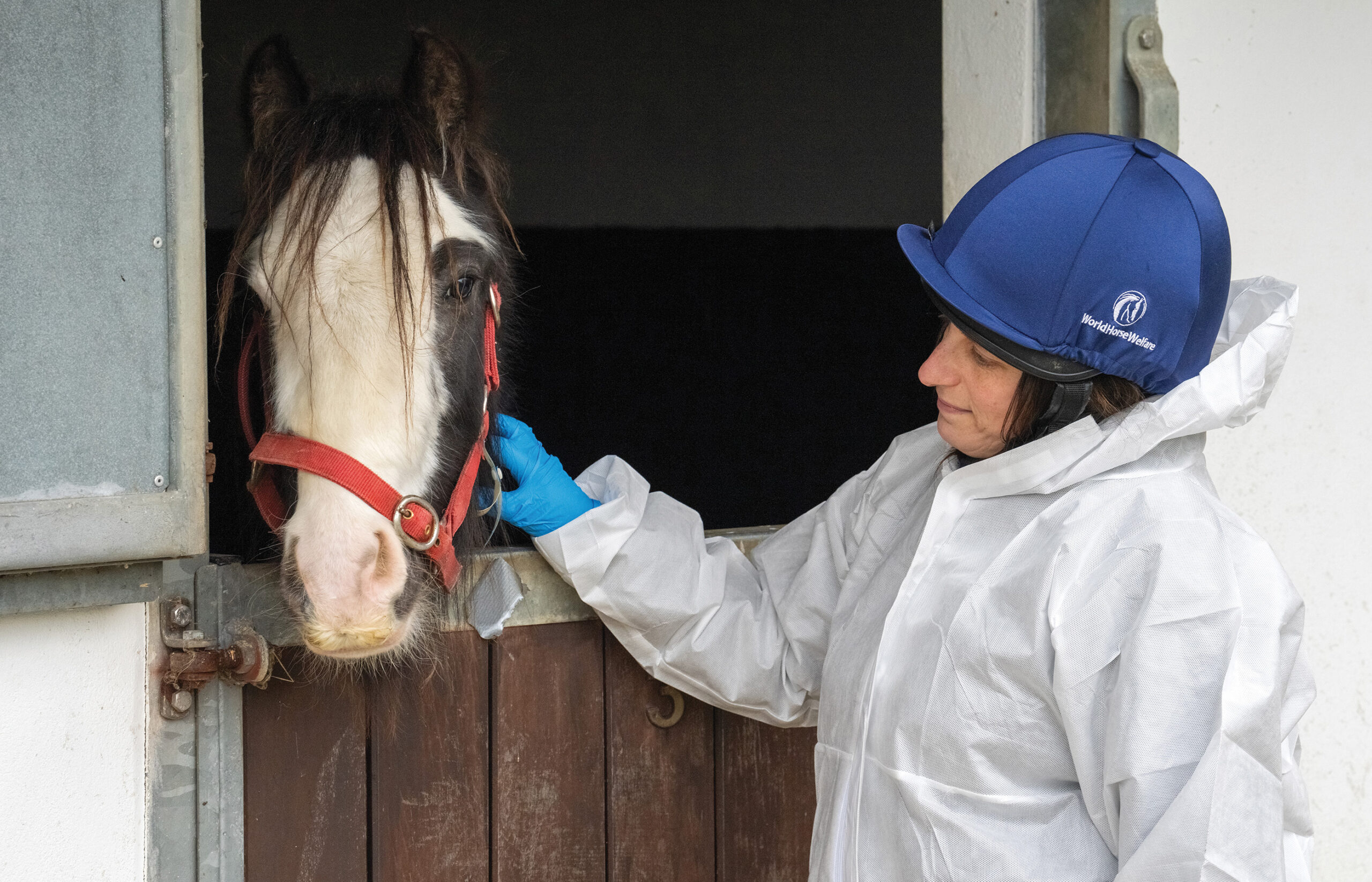
The Trafficked 20 – what do we know so far?
Our Head of Public Affairs brings us up to date with what we currently know about the horses rescued from illegal smuggling.
A (nearly) century long commitment
Ending the long-distance transport of horses for slaughter.
Recommended News Articles
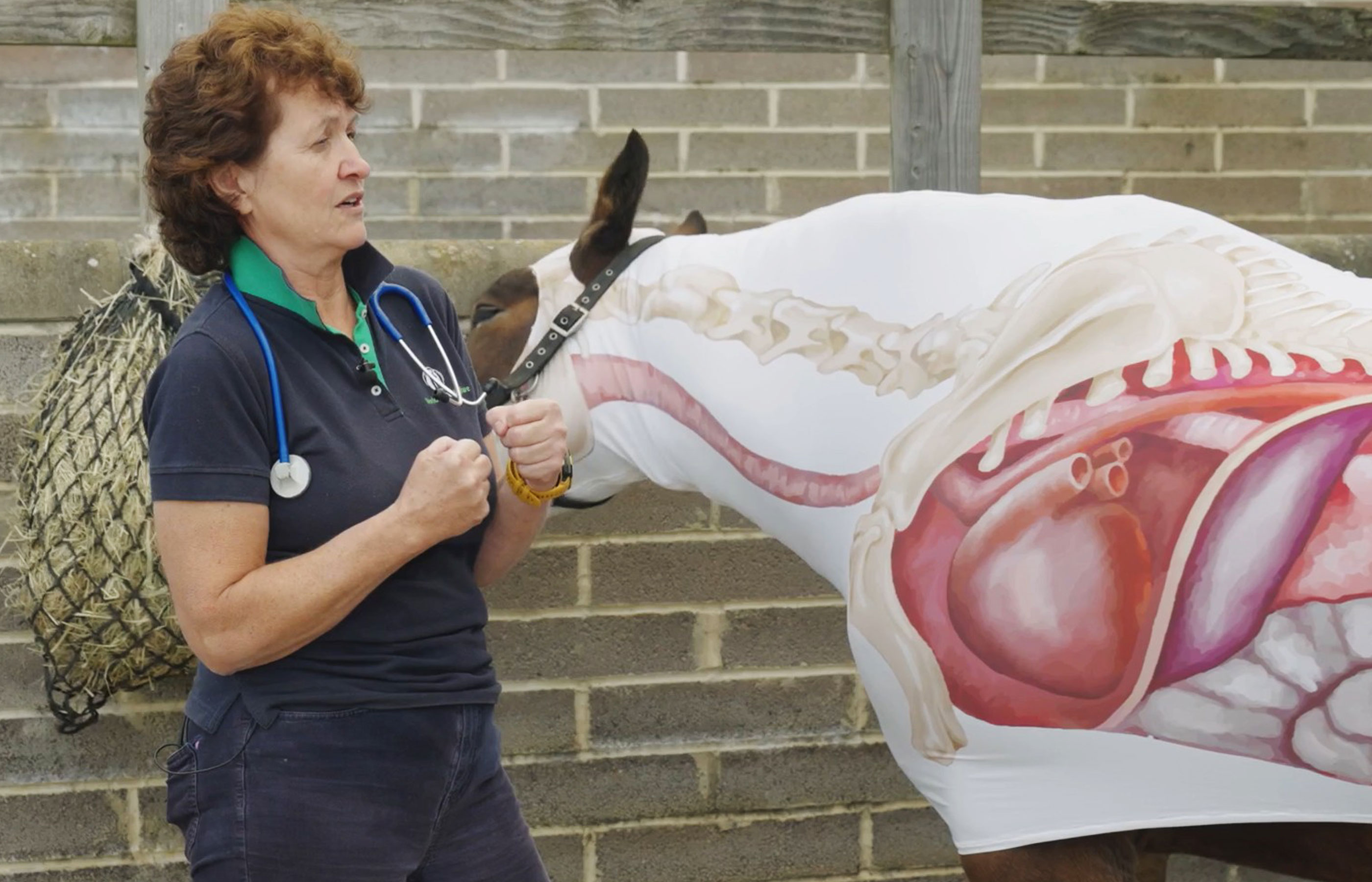
Exploring how the heart and lungs of a horse keep up with everything we ask of them
The fifth episode of 'Horses Explained' is full of gems of knowledge and tips owners can use to improve their horses' respiratory health.
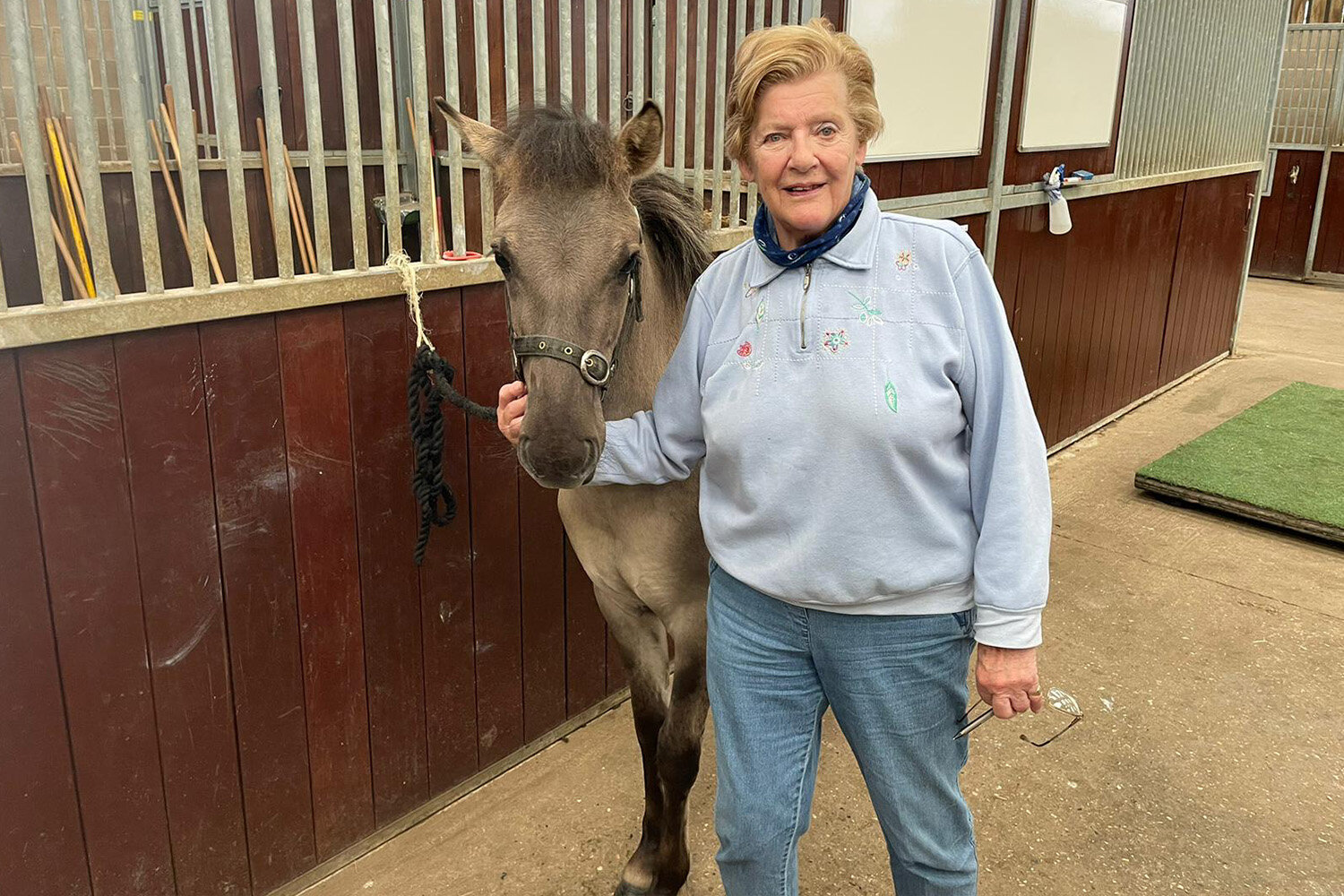
Has National Volunteer Week inspired you to lend us a hand?
Long-term volunteer Ann Bird shares her enthusiasm about helping out at Hall Farm
World Horse Welfare’s Glenda Spooner Farm to host first official visit for people with dementia
The charity's Glenda Spooner Farm has become a Purple Angel Dementia Awareness Accredited Centre and is set to host the first visit soon.
Enjoy reading stories like this?
Join over 65,000 other horse lovers and sign up for our email newsletter
Join over 65,000 other horse lovers and sign up for our email newsletter
Sign me up now
