
Charities collaborate to take young ponies off Welsh common as part of long-term project
Following a recent welfare operation, 38 ponies have been removed from Gelligaer and Merthyr Common, with 11 coming into our care.
Posted on 05/11/2025
Share


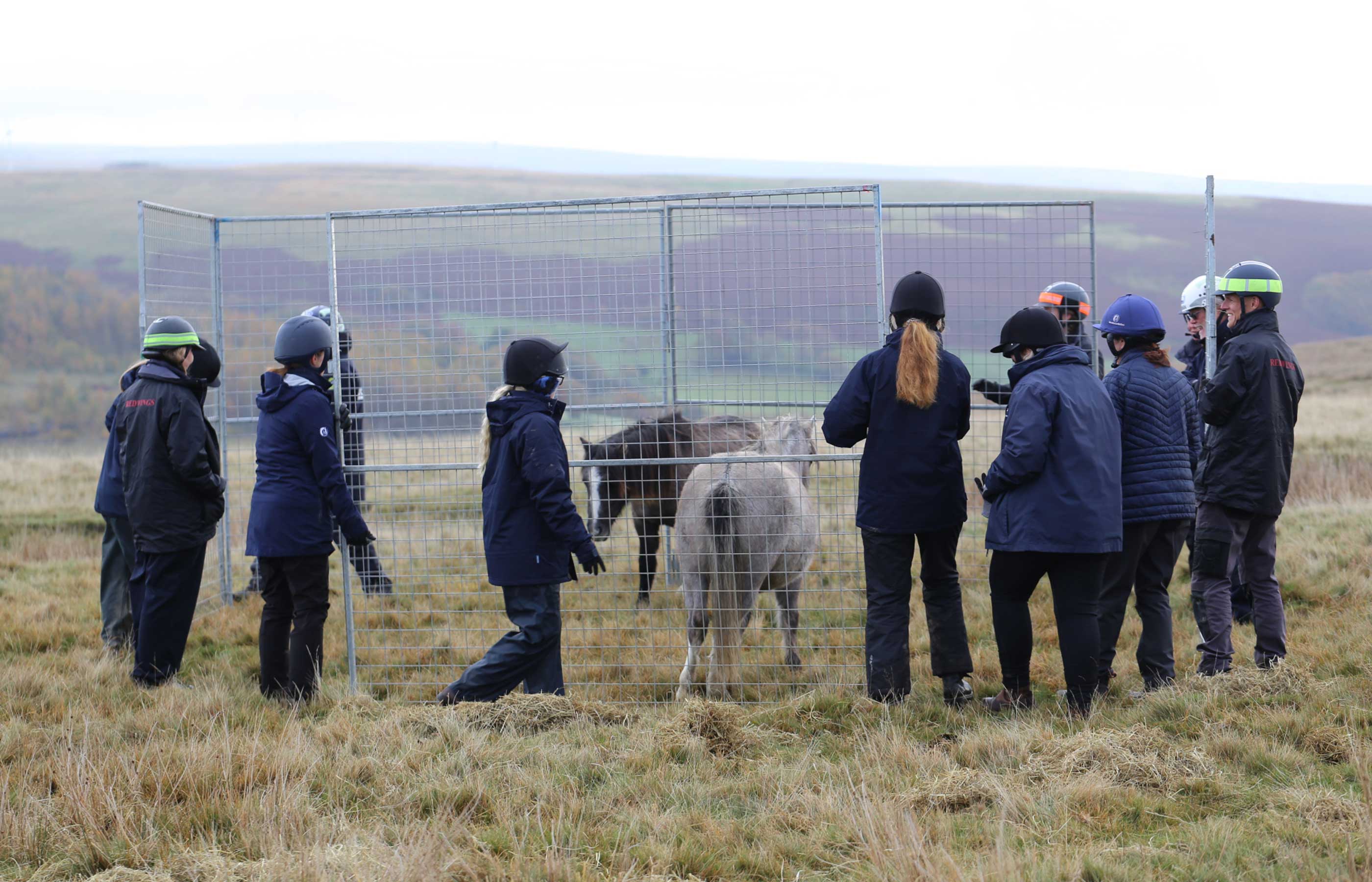
For the third consecutive year, we’ve worked alongside the RSPCA and Redwings Horse Sanctuary, in partnership with the Gelligaer and Merthyr Commoners Association, to carry out a two-day welfare operation on Gelligaer and Merthyr Common. This is part of an ongoing project to improve the lives of the ponies who call the common home.
Assisted by staff from Blue Cross, Bransby Horses, British Horse Society, HorseWorld, The Mare and Foal Sanctuary and The Donkey Sanctuary, the operation removed 38 young ponies from the common at the end of October to relieve the pressure on available resources before the challenging winter months. More than 50 staff from the various organisations were involved.
Claire Gordon, our Chief Field Officer, said:
“Now in its third year, our proactive work with the Gelligaer and Merthyr Commoners Association continues to improve pony welfare. Being able to carry out a headcount using drones has provided more accurate data on the impact of our efforts and it’s been encouraging to see the results so far — reduced grazing pressure has left the ponies in noticeably better condition and better prepared for the winter ahead. We’ve been really pleased with the progress of the ponies who’ve been rehabilitated and rehomed through our centres so far and we’re looking forward to seeing the next lot of ponies flourish.”
At the end of September, six of our staff, supported by volunteers from local group Hungry Herds, carried out a drone headcount of the ponies on the common. After reviewing footage, a total of 182 ponies were counted. The majority are unowned, the result of previous abandonments and unchecked breeding. The ponies live as semi-feral herds, meaning they are not trained to be comfortable with handling by humans.
Following the operation in October, 11 ponies have come into our care, 18 ponies went to the RSPCA, five to Bransby Horses and four to HorseWorld. This operation forms part of a wider strategic project, working towards a long-term sustainable, healthy herd that would be locally managed under a bespoke plan. This includes cataloguing all the ponies and removing those ponies who have a high chance of a good life in a private home. So far, the charities – who are all members of the National Equine Welfare Council (NEWC) – have removed 134 ponies from the common as part of the project. Many of those have been rehomed through the organisations’ respective rehoming schemes.
Roxane Kirton MRCVS, RSPCA Head Vet (Equine), said:
“The project aims to reduce the numbers of semi-feral horses on the common in a way that supports good welfare for all the ponies. Pooling the expertise of the organisations, we are developing a population management plan that reduces indiscriminate breeding.
“Whilst it might seem that castrating the stallions would be the easiest choice, the unique situation of these ponies makes this anything but straightforward. As the ponies are semi-feral, they cannot be handled to ensure they get sufficient aftercare, meaning risks of castration are much higher. Mares also control the fertility and breeding rate of a herd, so castrations would only address the unchecked breeding if we could guarantee that no entire males were grazed, or abandoned, on the common going forwards.”
Nic de Brauwere MRCVS, Head of Welfare and Behaviour from Redwings, said:
“As part of the project we are removing youngsters, over a year old, who are becoming independent of their mums as the process of weaning would naturally begin. These ponies are less likely to have negative associations with people and are yet to have developed deeply ingrained habits of semi-feral life. Therefore, they are most likely to adapt to domesticated life and go on to be rehomed as loved companions or ridden ponies. It also means that we remove breeding stock of the future, helping to break the cycle of indiscriminate breeding.”
Huw Williams, Chairman of the Gelligaer and Merthyr Commoners Association, said:
“The Commoners Association is pleased to continue our work with the charities to protect the ponies on the common, and work towards a future where there will be sustainable numbers of healthy ponies.”
Share
Topics
Related News
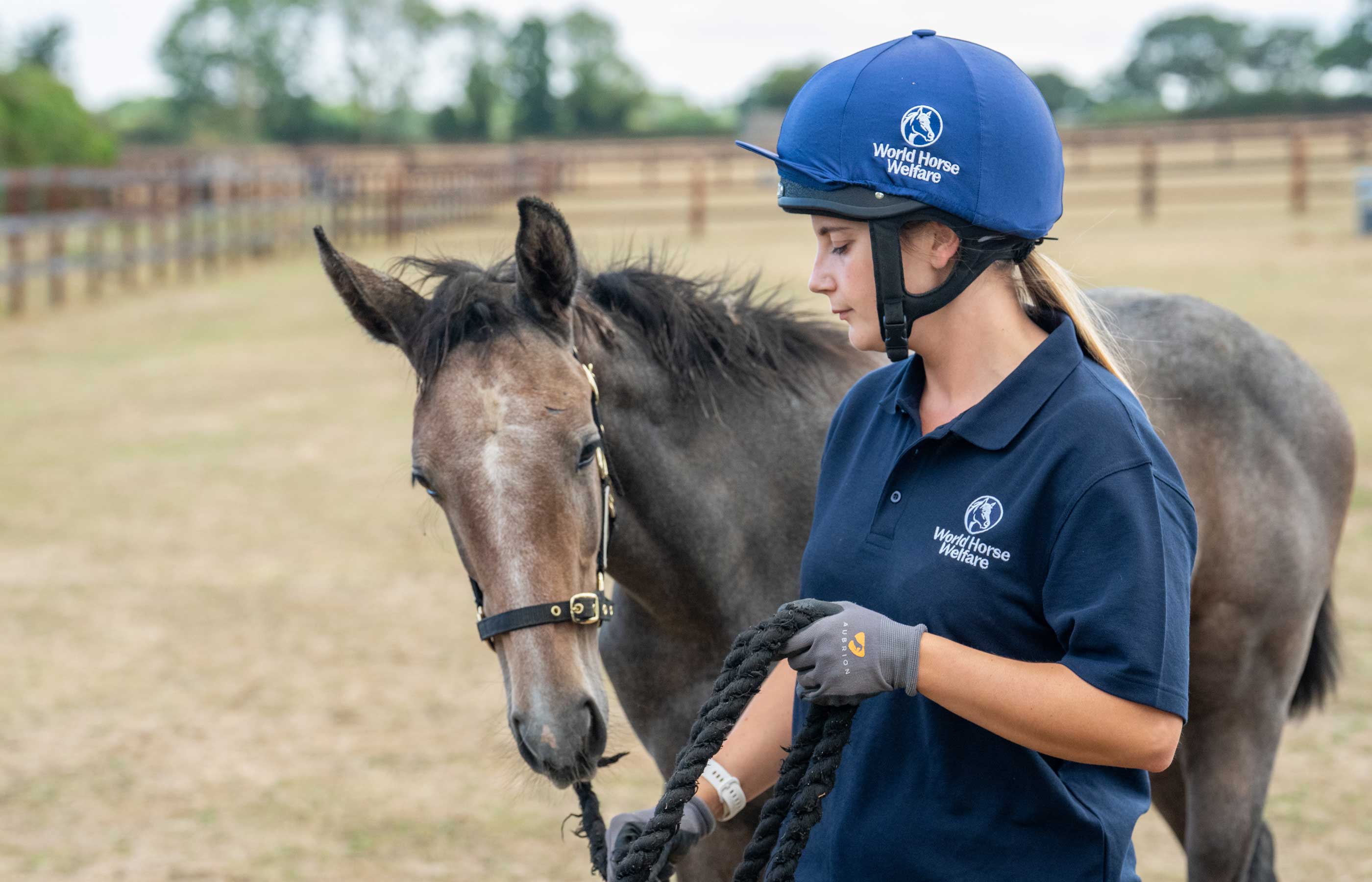
Record demand for our support exposes growing pressure on horses and owners
The highest ever demand for help from our charity comes as the national equine welfare safety net is at breaking point.
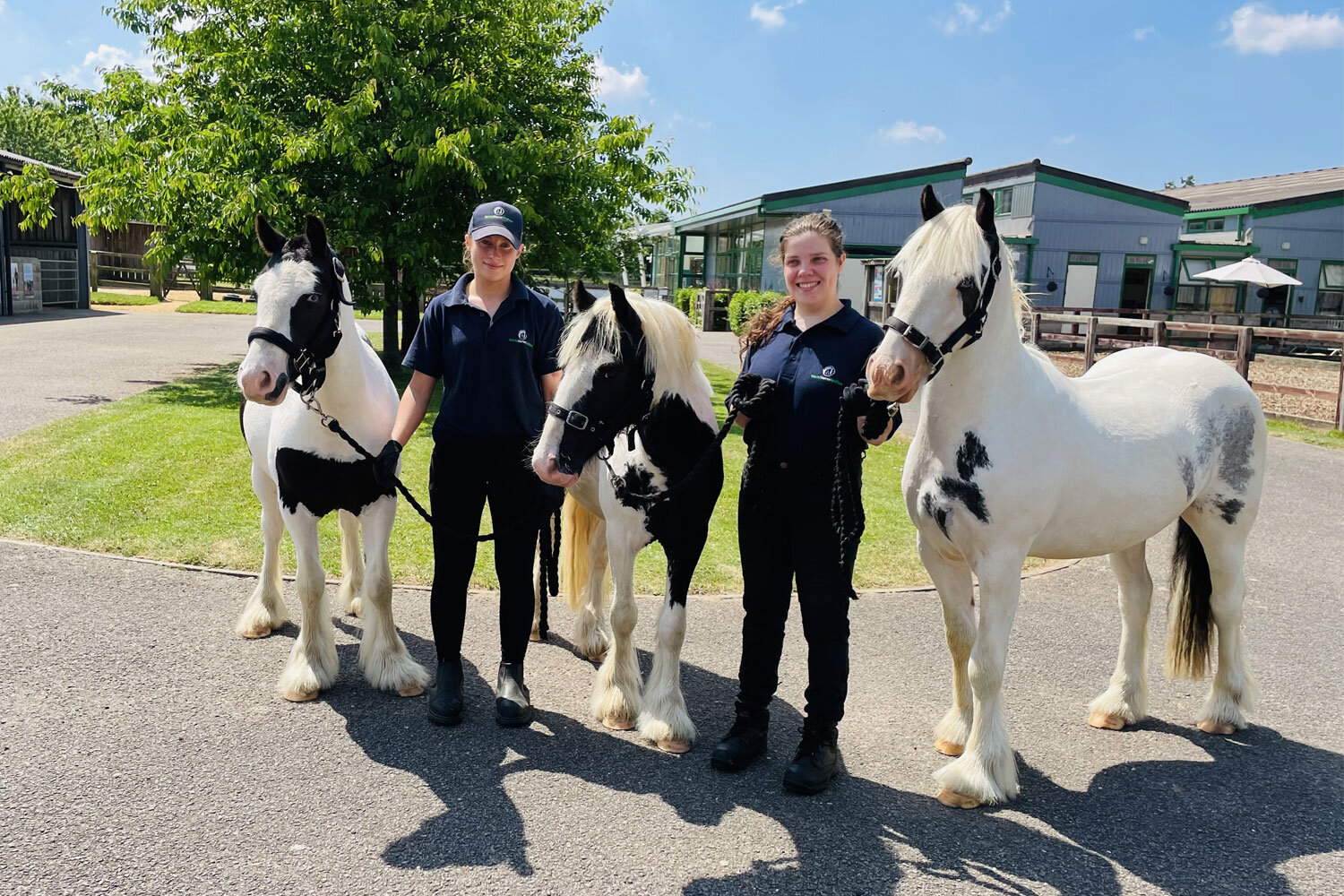
Rescue cobs are in possession of rather “Austen-tatious” names
Having been in a sorry state, the future is now bright for Mr Bingley, Mr Bennet and Mr Darcy.
Recommended Blog Posts
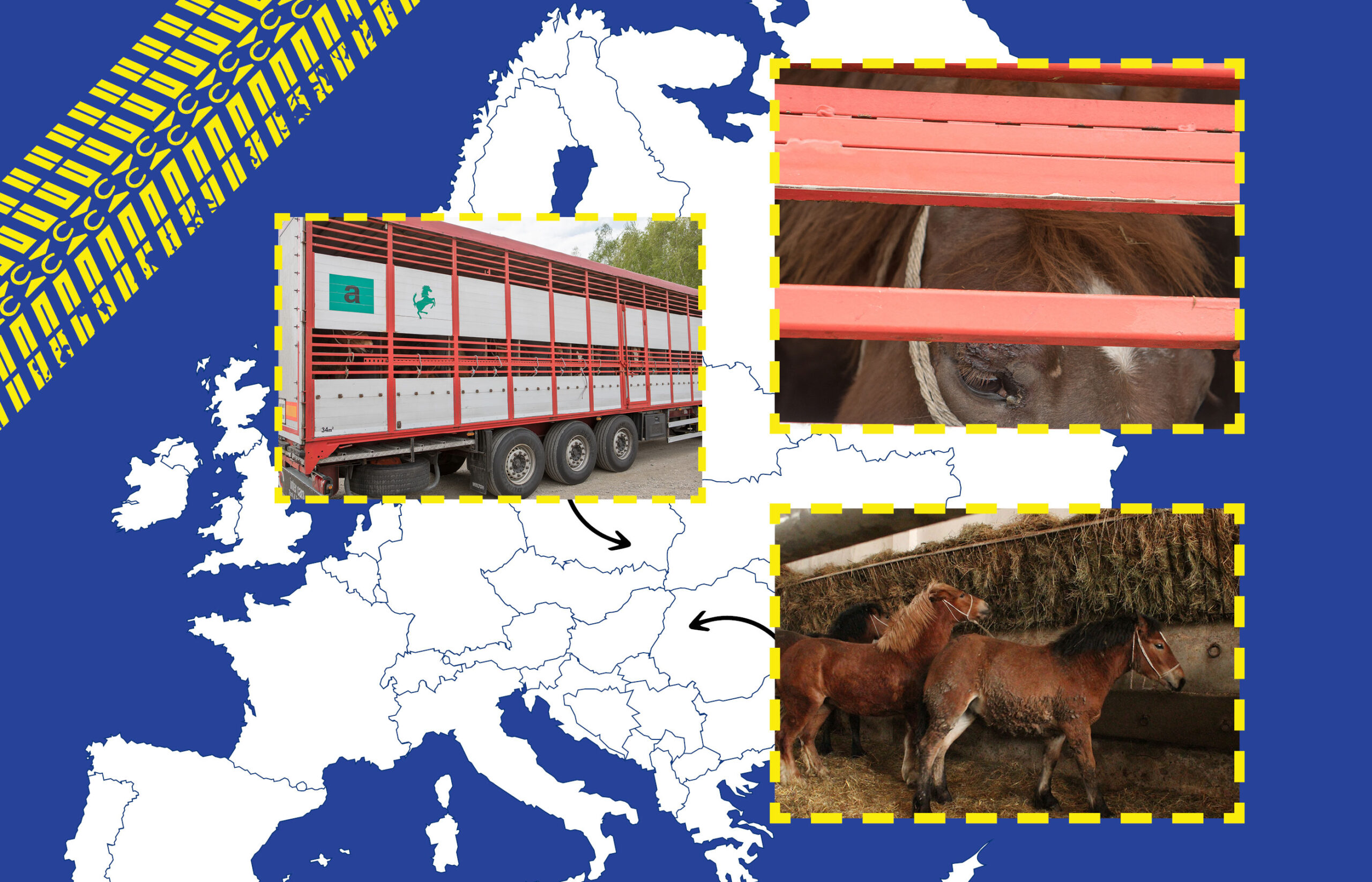
A (nearly) century long commitment
Ending the long-distance transport of horses for slaughter.

The senior horse: nutrition in sickness and in health
Find out more about the key considerations when caring for older horses, whether in work or retired and whatever their health status.
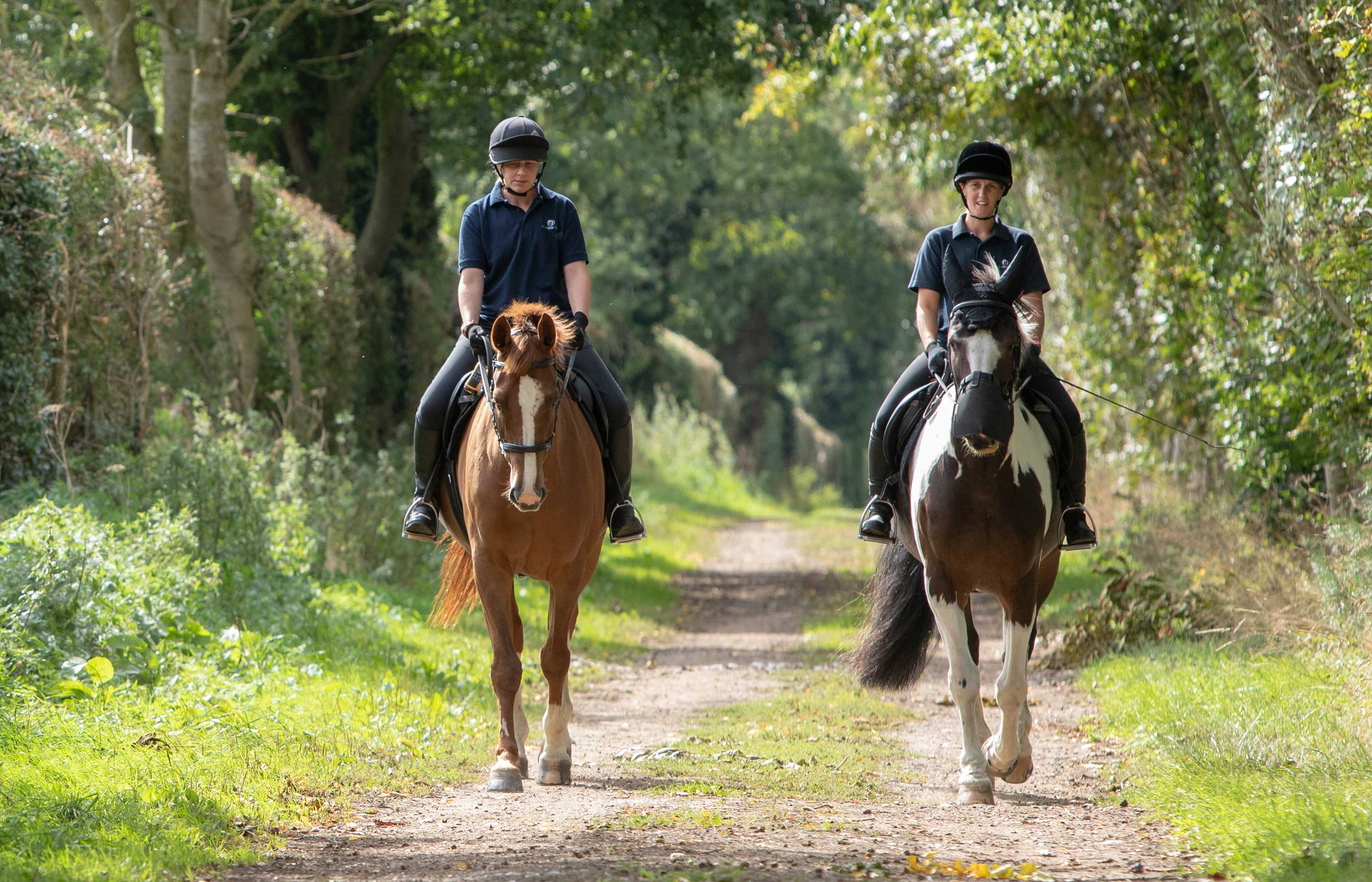
Ever wondered why riders and horse owners need public liability insurance?
We asked insurance brokers SEIB to tell us what public liability (or third party) insurance is and how it can protect you and your horse.
Enjoy reading stories like this?
Join over 65,000 other horse lovers and sign up for our email newsletter
Join over 65,000 other horse lovers and sign up for our email newsletter
Sign me up now
