
EU-UK reset – will it impact horses?
We chat to Kim Ayling, our Head of Public Affairs, to find out what this may mean for horse welfare.
Posted on 10/04/2026
Share


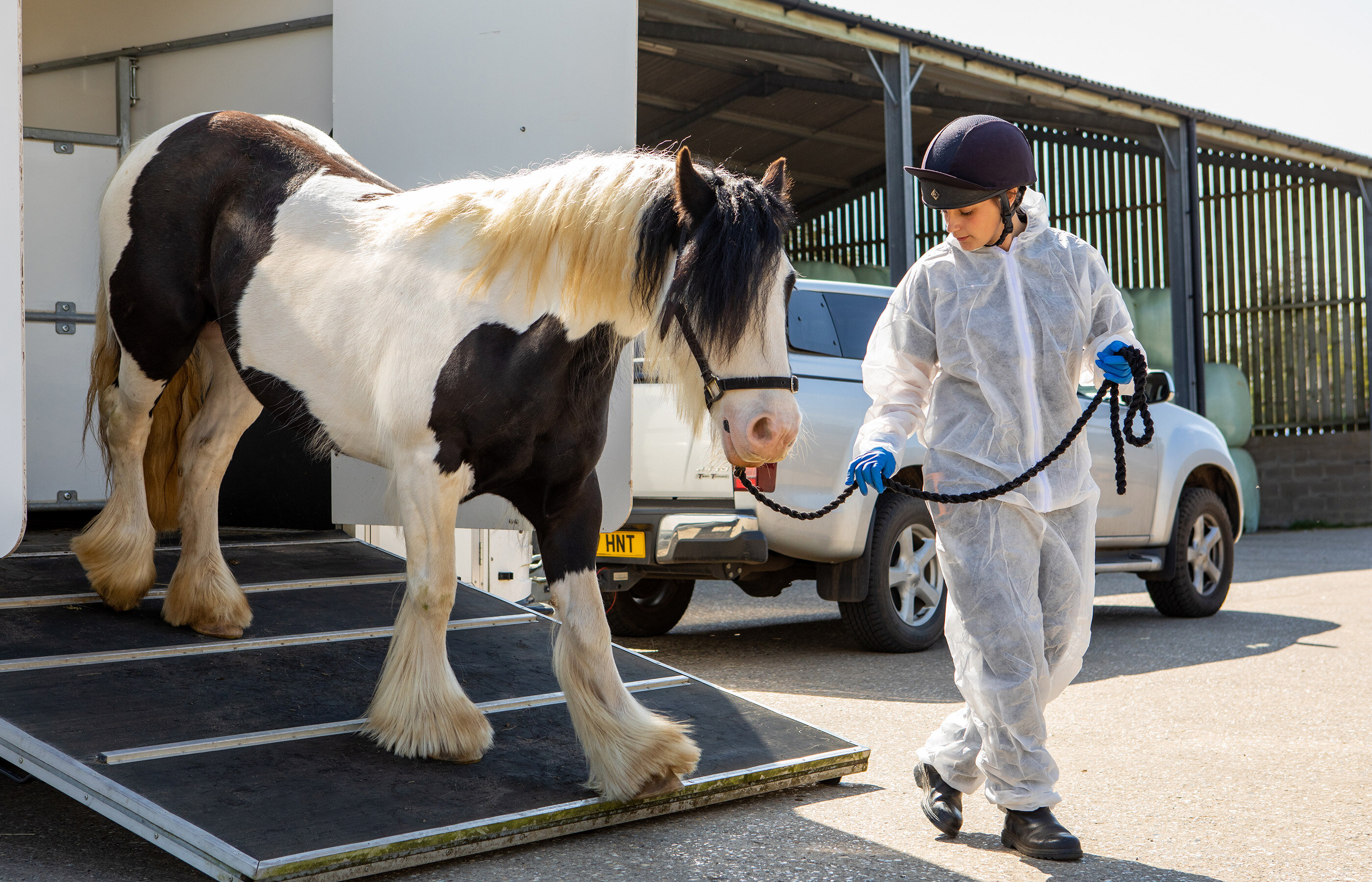
In May last year, the UK Government and European Union agreed to start talks on a new food and animal safety deal called the Sanitary and Phytosanitary (SPS) agreement. This agreement is part of the EU-UK reset and aims to cut red tape and make it easier and cheaper to move goods and live animals between the UK and the EU, and also within the UK itself (between Great Britain and Northern Ireland).
We catch up with Kim Ayling, our Head of Public Affairs, to understand what this agreement may mean for equine welfare. But also, what World Horse Welfare has been doing to ensure the current UK animal welfare standards are not compromised.
Will the SPS agreement be a good thing for horse welfare?
“Until the talks have finished, we cannot say for sure. However, we are hopeful that it will bring a number of benefits.”
Cutting unnecessary delays
“At the moment, horses entering the UK are not subject to physical border checks. However, horses travelling from the UK into the EU face extra checks at the border. We know these checks often cause long delays at European Border Inspection Posts, with some horses left standing on the vehicles for hours at the border or even being turned back.
“On paper, enhanced checks sound great, as they should help disrupt horse smuggling and prevent disease from spreading. In practice however, these are often just tick box exercises. Many people are stopped because of minor paperwork errors. While those who are deliberately breaking the rules can appear compliant on paper and are waved through without question. By having the EU and UK following the same rules, our hope is that fewer checks and controls would be needed. This would mean that horses travelling legally and responsibly are not delayed unnecessarily.”

Better tracking of horse movements
“Despite being one of the most frequently moved animals, most horses are not individually traceable. Unless a horse is involved in high-level sport, racing, or thoroughbred breeding or sales, there is often no clear record of where they have come from or where they have been. This is a significant risk to the UK’s horses (our national herd).
“If a disease outbreak were to occur it would be difficult, if not impossible, to trace which horses had been in contact with each other. The risk of a major disease outbreak for horses is fortunately low at the moment. However, recent outbreaks of bird flu show just how devastating it could be. Improved traceability would also give more information on horse movements. By analysing this data, enforcement agencies could more easily spot unusual or suspicious movements and focus their efforts on those breaking the law. Such as those involved in horse smuggling.
“The UK Government has confirmed that the UK will implement the EU’s Animal Health Law. It is our hope that this also includes the detailed rules that sit beneath it. One of these laws requires all places where horses permanently live to be registered and certain movements to be recorded. Northern Ireland has already introduced this system. If the rest of Great Britain does the same, it will be a huge step forward in helping governments know where horses are kept. However, to be fully effective, this system must be digital and easy to update. This is currently not a requirement in the EU.”
What about the ban on live exports to slaughter?
“The ban was a huge milestone. It was only achieved thanks to the thousands of people who joined the collaborative movement to stop animals being exported to slaughter. We have every reason to believe that the ban on live exports to slaughter will remain. But, we are working with other animal welfare organisations to ensure that it remains a priority for the UK Government.”
Are there any concerns?
“We are worried that checks on horses entering or leaving the UK could become weaker if they are seen as a barrier to trade. Simple tick‑box checks do not work. To catch those who are deliberately breaking the law, such as horse smugglers, checks need to be based on risk and intelligence.
“There must be a balance. Checks should be effective but they should not unfairly burden responsible transporters or significantly increase journey time. For example, enforcement agencies should be able to check a vehicle if they are acting on intelligence about a repeat offender or if they believe a vehicle is suspicious, such as unusual smells (as in the case of the Dover 26).”

What is World Horse Welfare doing about this?
“We are working with other animal welfare organisations, through the Trade and Animal Welfare Coalition, to ensure that animal welfare remains a key issue in negotiations between the UK and the EU. In the UK, we are also working via the British Horse Council to highlight the opportunities and risks for the equine sector.
“We have also been engaging directly with MPs and senior civil servants, and responded to a call for evidence on this issue from the Environment, Food and Rural Affairs Committee. This is a committee made up of MPs that scrutinise the work of the Department for Environment, Food and Rural Affairs (Defra).”
When will we know more?
“The UK Government has said it hopes the agreement will come into effect in mid-2027. We expect to know the outcome of the negotiations with the EU within the next few months.”
Share
Topics
Related Blog Posts
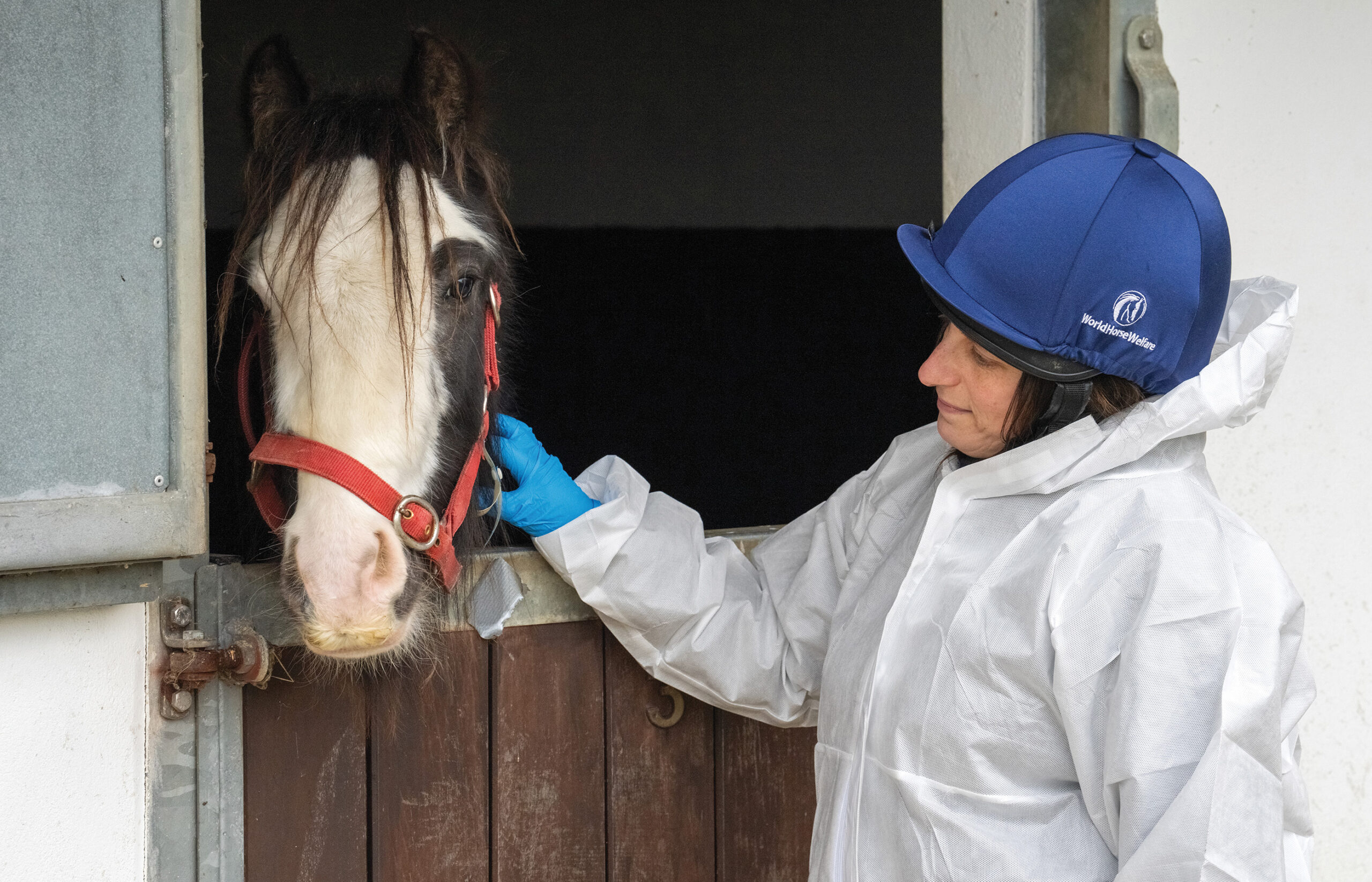
The Trafficked 20 – what do we know so far?
Our Head of Public Affairs brings us up to date with what we currently know about the horses rescued from illegal smuggling.
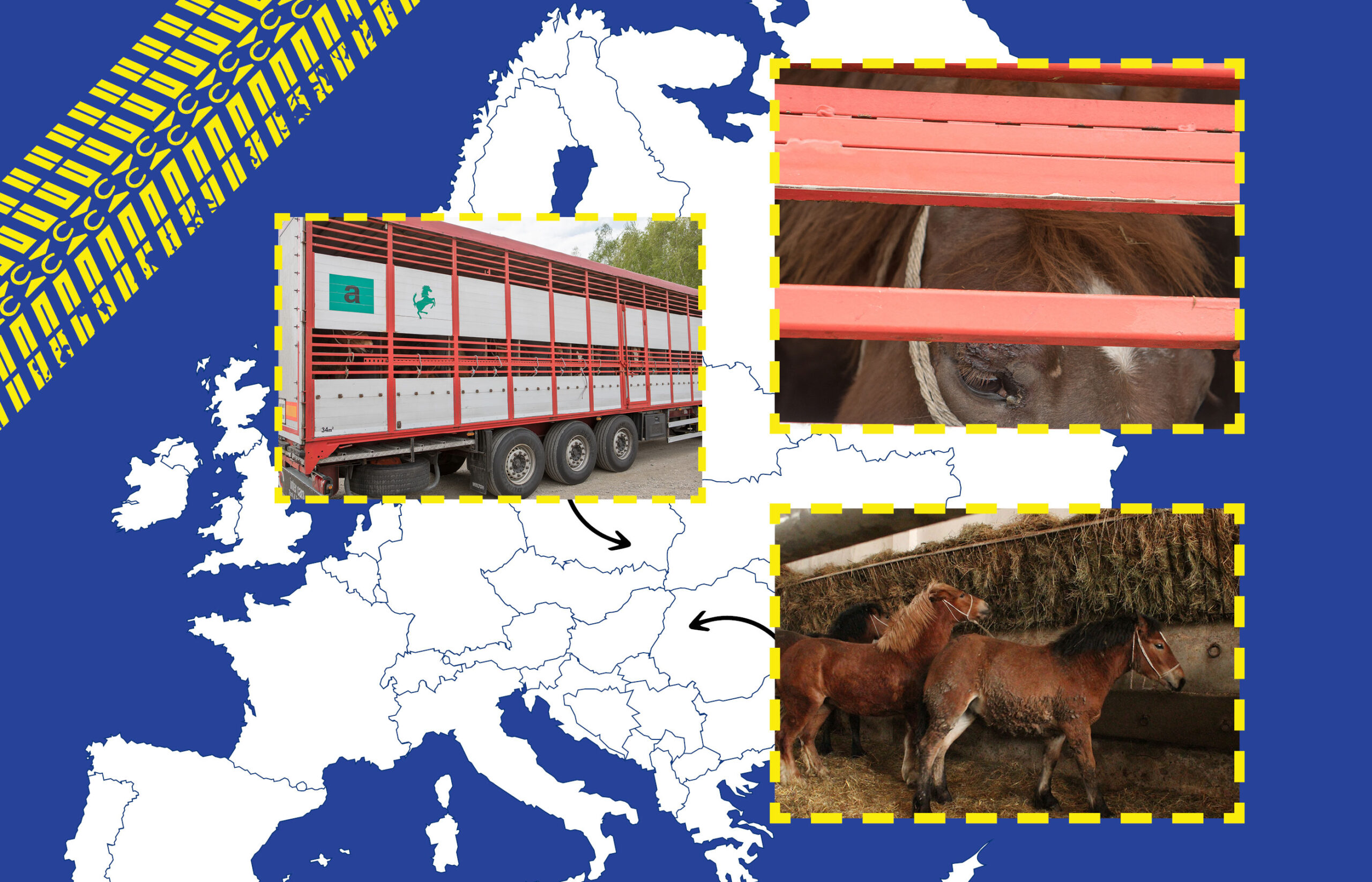
A (nearly) century long commitment
Ending the long-distance transport of horses for slaughter.
Recommended News Articles
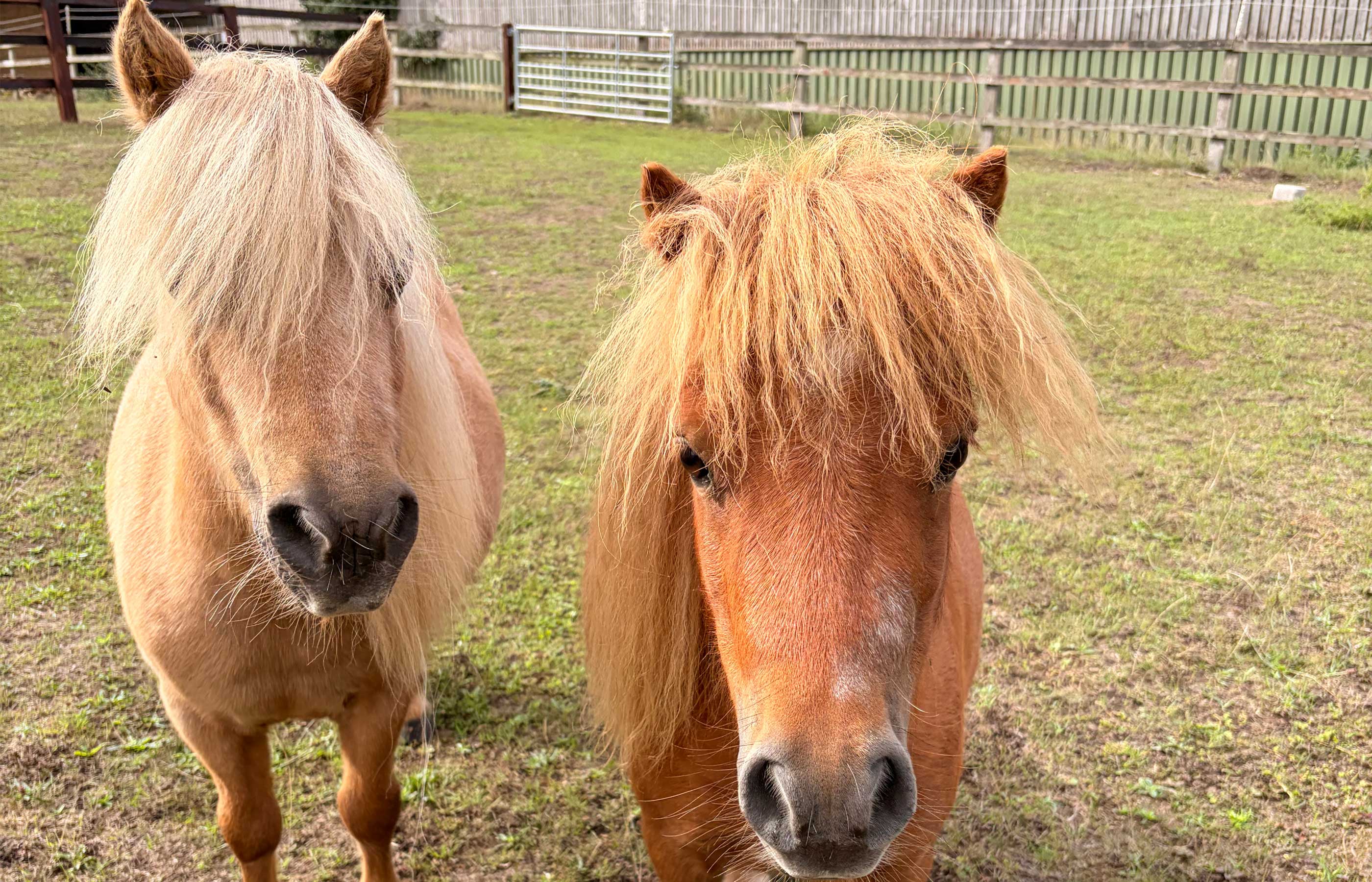
Dinky duo Winston and Churchill seek home together
Two little Shetlands are looking for a home together, having become firm friends since arriving at Hall Farm.
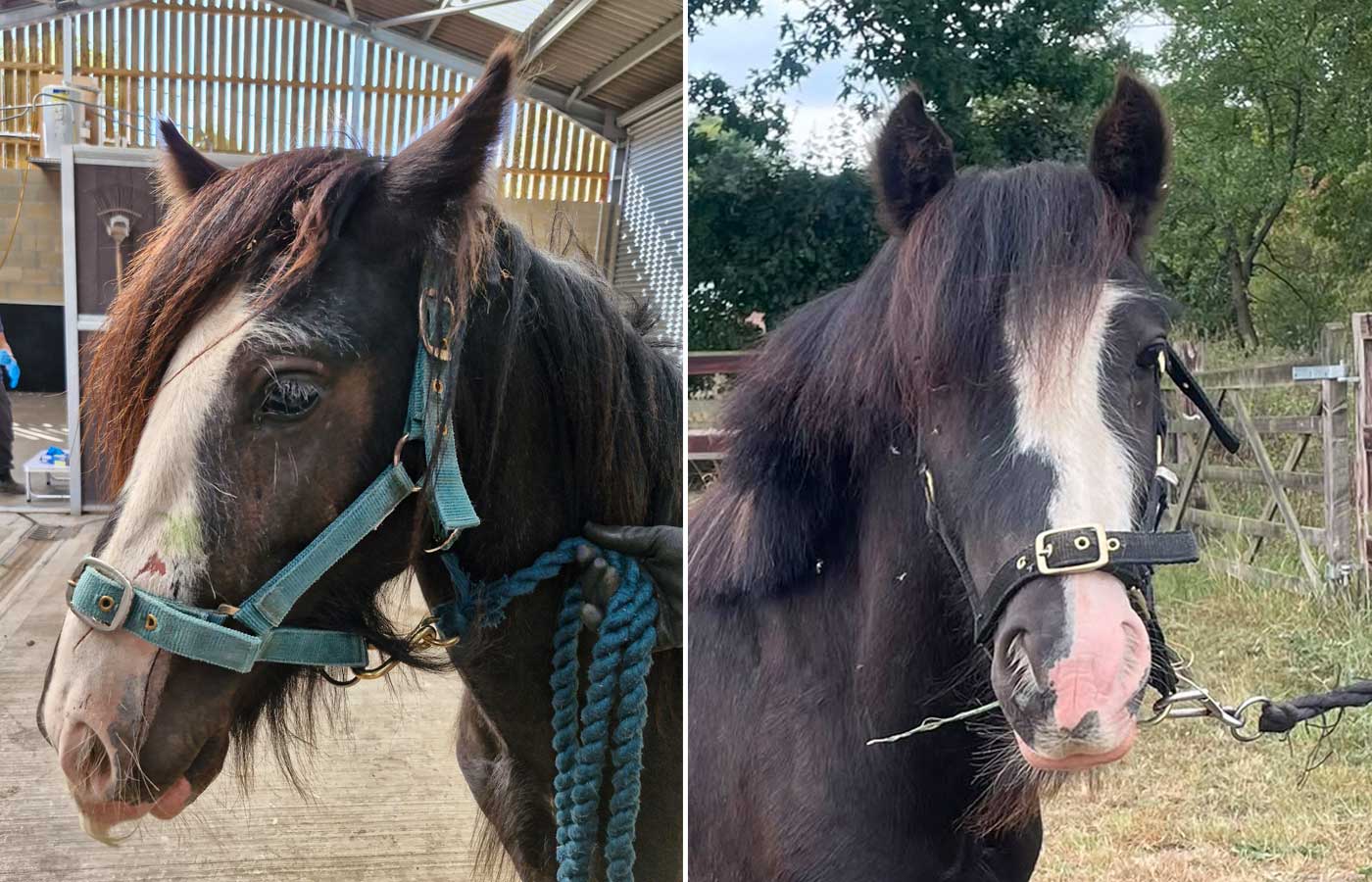
Arthur was hit by a car – but now he’s thriving at Hall Farm
Despite suffering multiple injuries, he’s recovering well in our team’s expert care.
Enjoy reading stories like this?
Join over 65,000 other horse lovers and sign up for our email newsletter
Join over 65,000 other horse lovers and sign up for our email newsletter
Sign me up now
