
Nearly 40 attendees shared experiences and strategies at the event, which found clear ownership is key to protecting welfare on Britain’s commons and moors.
Posted on 15/09/2026
Share


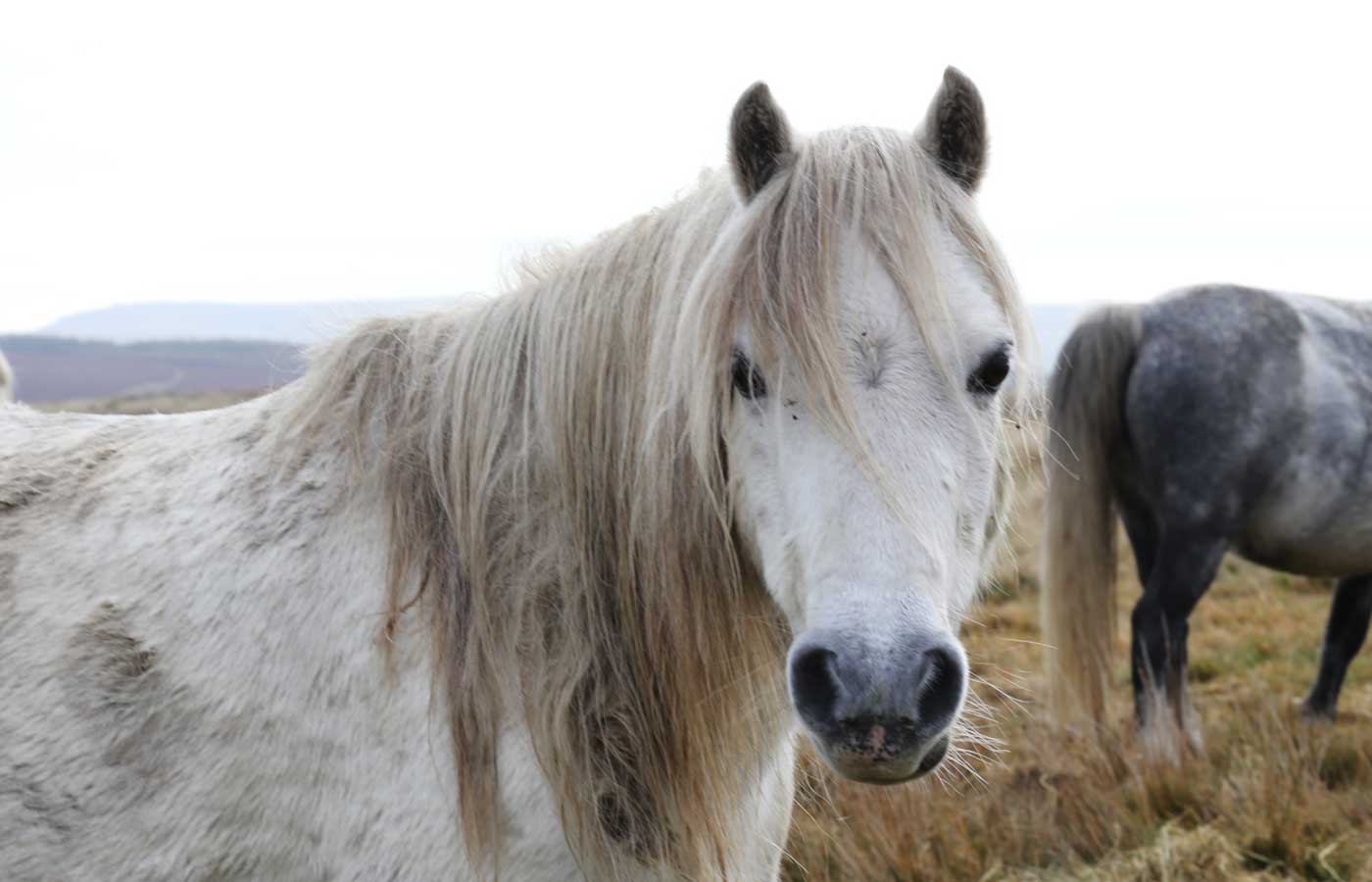
On 8 September, our Glenda Spooner Farm Rescue and Rehoming Centre in Somerset hosted the first ever Equine Common Ground Conference. Nearly 40 representatives from welfare charities, commoners’ associations, breed societies, local authorities, land managers, enforcement agencies and veterinary organisations gathered to identify practical solutions to the welfare challenges facing free-living and semi-feral ponies on commons and moors in England and Wales.
The scale of potential welfare issues should not be underestimated, with thousands of ponies living on vast acreages across these common grounds. Presenters from Gelligaer and Merthyr Common, Exmoor, Bodmin Moor and the New Forest revealed that those four sites alone encompass over 120,000 acres of grazing land and more than 5,000 ponies.
The event drew delegates from Dartmoor, the Carneddau mountains, the Black Mountains, Bannau Brycheiniog and other commons grazing areas across Great Britain. Staff from our charity, Redwings Horse Sanctuary, the RSPCA and HorseWorld also shared their experiences working across multiple commons.
Though circumstances varied by site, several common themes emerged. Malcolm Morley, our Director of UK, said:
“These ponies have often been part of these landscapes for centuries and play an important cultural and ecological role. But heritage alone doesn’t protect welfare.
“The principal message from the conference was that welfare depends on clear ownership, effective identification, strong governance and responsible population management.”
Gelligaer and Merthyr Common’s Projects Officer Mark Ward explained how stakeholders on the Welsh common have worked to tackle rising pony numbers, seek identification solutions and develop sustainable long-term management plans.
The value of local knowledge and effective communication was clear throughout the day. Responsible breeding and population management were prominent discussion topics, with delegates exploring various approaches currently used across different herds of ponies.
Case studies from Bodmin Moor shared by Livestock Protection Officer Julie Dowton demonstrated how coordinated action between commoners, enforcement agencies and welfare organisations transformed welfare outcomes. Verderer Richard Deakin and Head Agister Jonathan Gerrelli from the New Forest highlighted the role of strong governance, identification requirements and breeding controls in supporting both ponies and commoners.
Effective governance was repeatedly referenced as key to good welfare. Malcolm said:
“Commons are complicated, but good governance isn’t something that sits around welfare – it is part of welfare. Ultimately, however many organisations are involved, the pony experiences just one system. Our job, collectively, is to make sure that system works.”
Discussions also focused on the need for sustainable funding and recognising the value of the ponies, both while grazing on moors and commons and once taken off them. Linzie Green, Centre Manager at the Moorland Mousie Trust and Exmoor Pony Centre, shared how the price of Exmoor pony foals has soared in the last 20 years after careful management of the breeding population alongside concerted efforts to highlight the breed’s versatility.
Those who attended the conference left with a renewed sense that, complex as the challenges of managing equine welfare on commons and moors can be, no area is facing them alone. The event forged new connections between organisations working in different landscapes and at different stages of their journey, laying the foundations for future collaboration.
Summing the conference up, Malcolm said the day’s discussions had reinforced the need to address the root causes of welfare problems with a proactive approach and sustainable, long-term solutions.
“The picture I take away today is actually quite coherent. The solutions lie in clear ownership, good governance, effective identification, sustainable funding, responsible breeding and population management, and people prepared to work together around a shared goal.
“We must always be there for the pony in trouble, but our real success will be measured by addressing the causes of welfare problems early enough that far fewer ponies ever need our help.”
Related reading
Share
Topics
Related News

Try before you buy – a sobering tale of buying horses unseen
The pandemic has changed shopping habits for many, but the tale of Laddie and Angel shows that some things are best bought the old fashioned way.
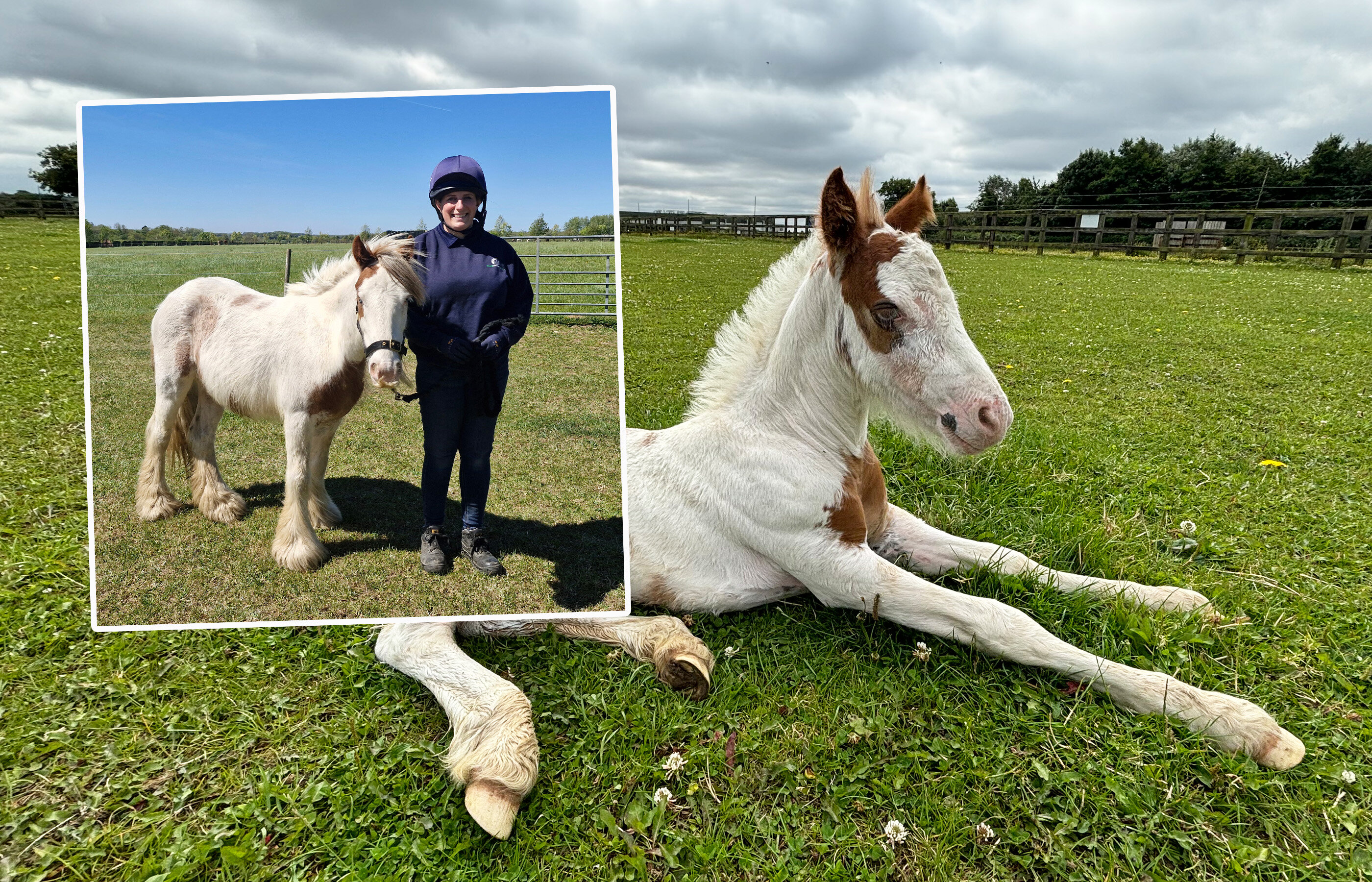
Orphaned foal rescued at two weeks old now ready for a forever home
Noodles is set to begin a bright, new chapter after being nursed back to health at Hall Farm.
Recommended Blog Posts
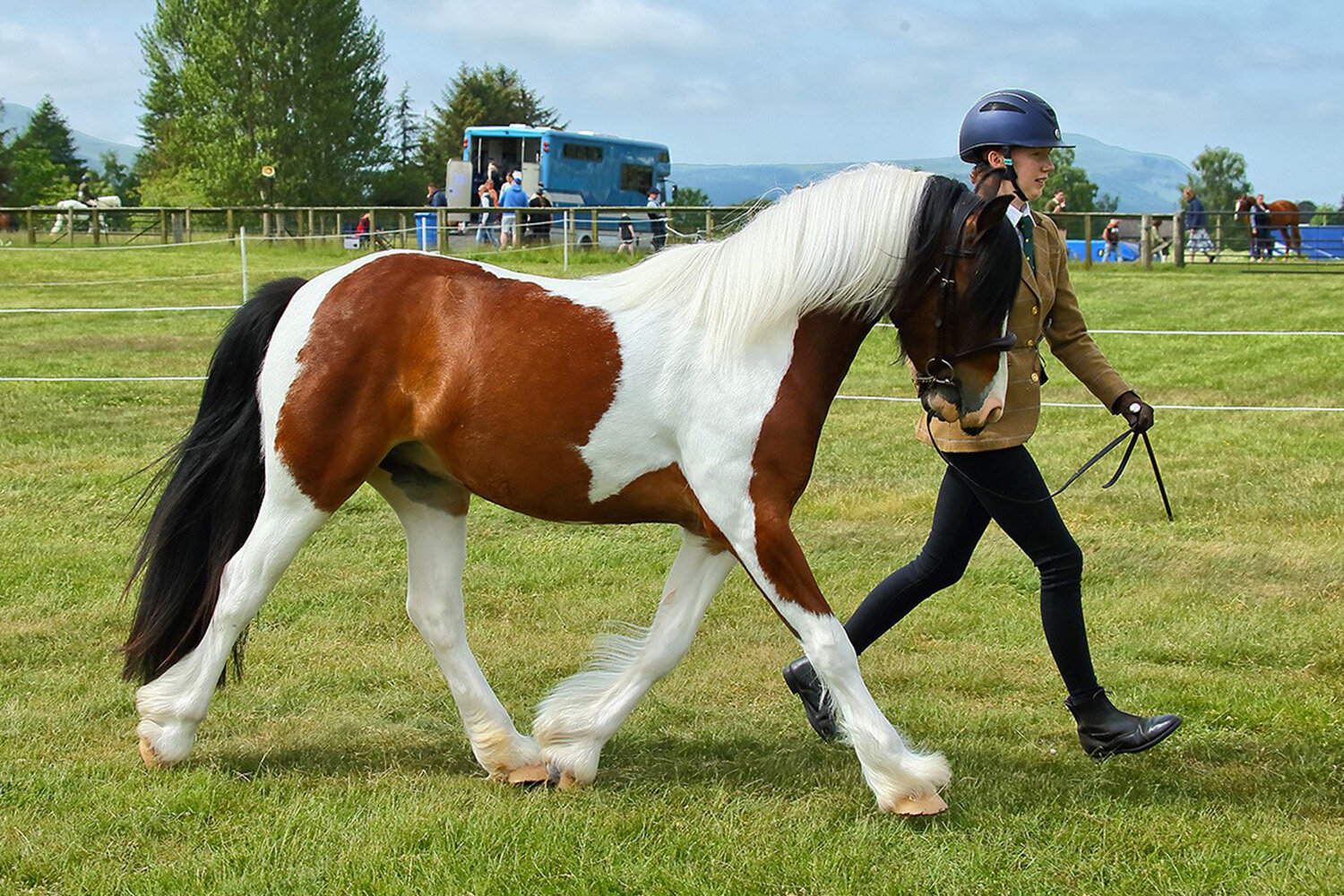
We catch up with Cadbury and his rehomer on National Chocolate Day
The sweetest rescue pony makes the most of his second chance with rehomer Lucy.

The importance of foals having good experiences from birth
Foals born in our rescue and rehoming centres will receive expert, patient handling from day one – we caught up with yard supervisor Lorraine to hear more.
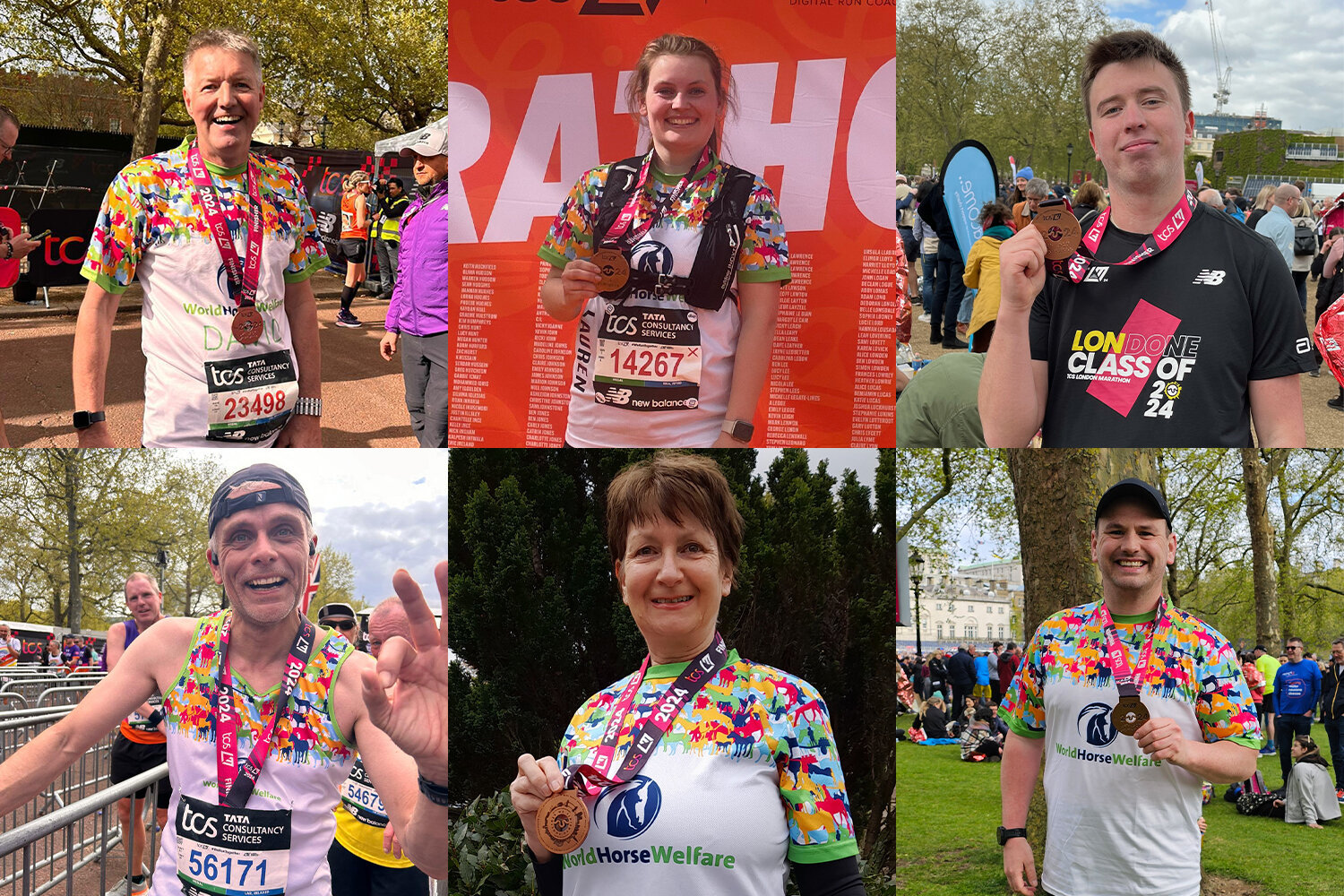
Celebrating our London Marathon runners
We catch up with our six runners to see what running the London Marathon is really like.
Enjoy reading stories like this?
Join over 65,000 other horse lovers and sign up for our email newsletter
Join over 65,000 other horse lovers and sign up for our email newsletter
Sign me up now
