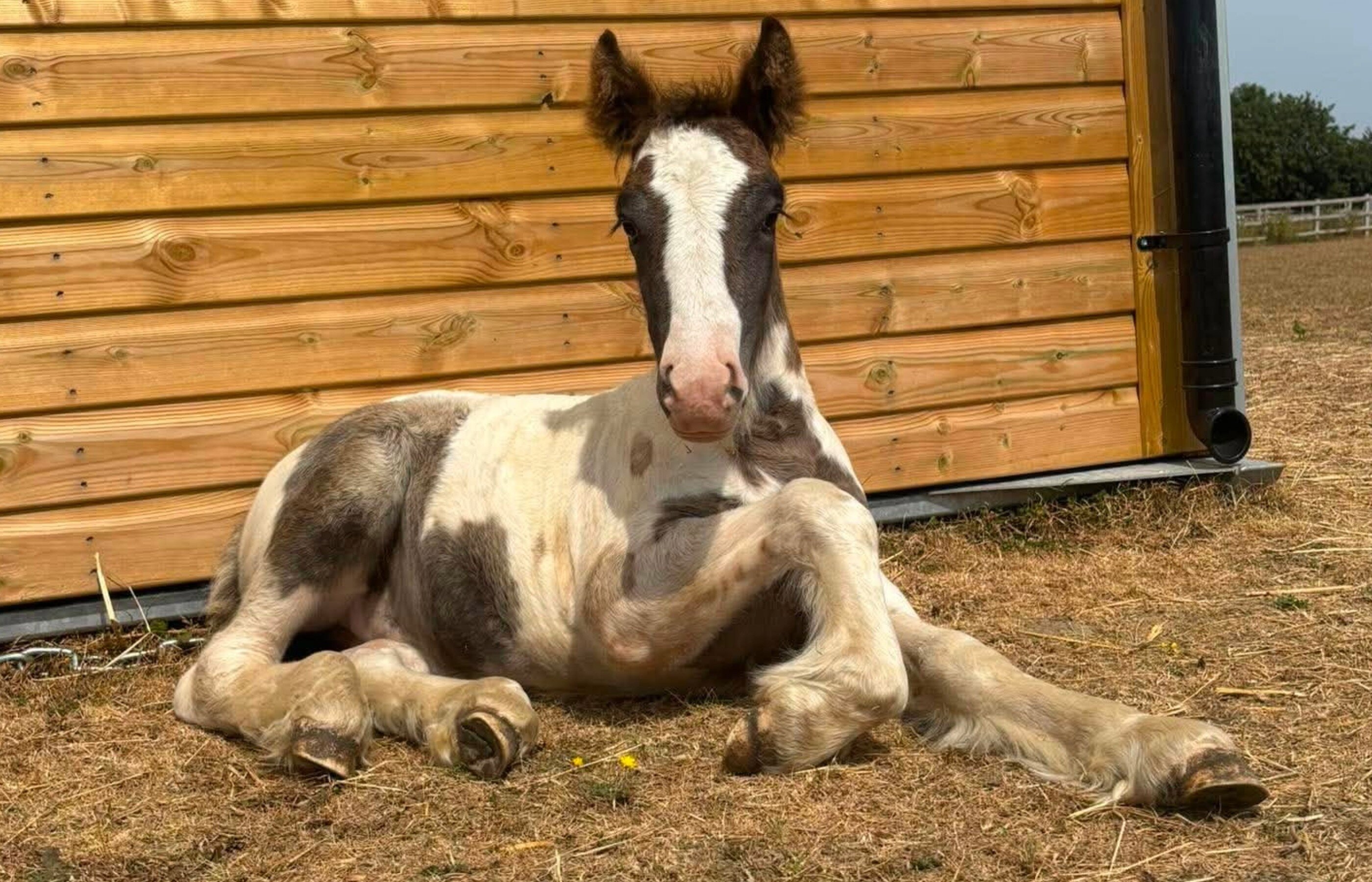
Protecting the welfare of semi-wild equines
Freedom to roam should never mean being left to suffer. Every semi-wild equine needs effective protection and sustainable long-term management.
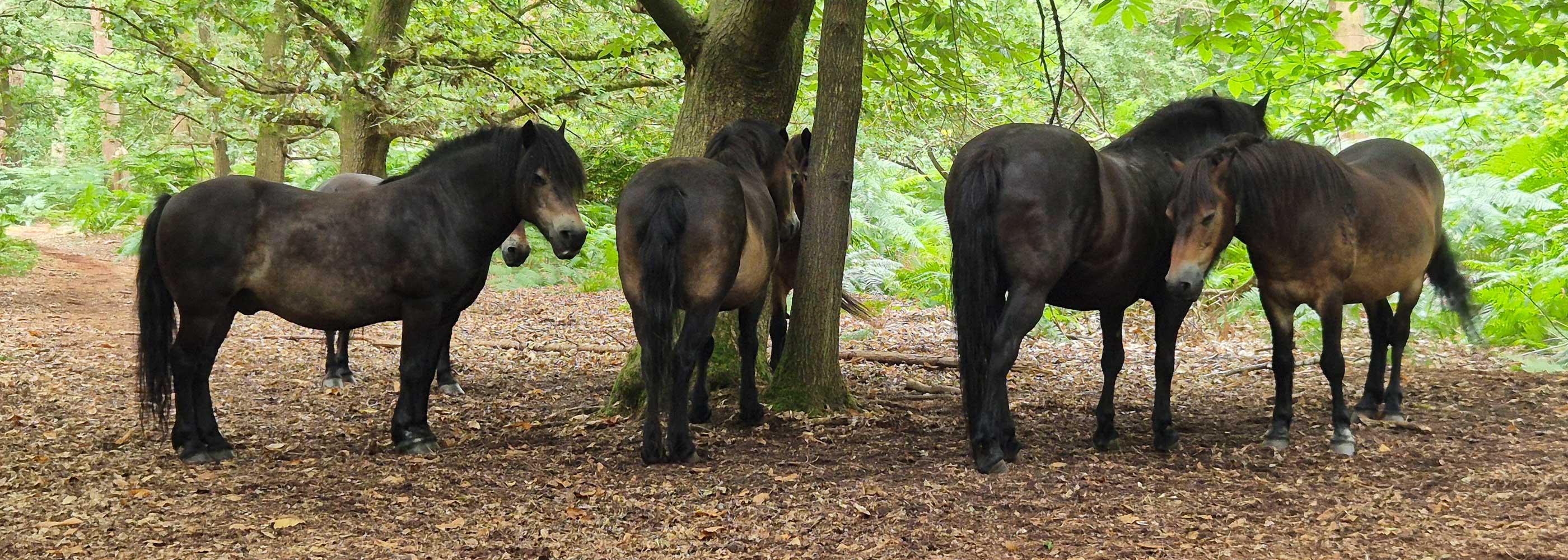
Freedom to roam should never mean being left to suffer. Every semi-wild equine needs effective protection and sustainable long-term management.
Semi-wild, or semi-feral, equines – including horses, ponies, donkeys and their hybrids – are an important part of landscapes and communities across the UK and Europe. Some have lived on common land and other extensive grazing areas for generations, contributing to their cultural heritage and local economies. Others are increasingly used for conservation grazing and rewilding, where their natural behaviours can help maintain habitats and support biodiversity.
These equines live and roam freely in large open landscapes, which can be referred to as extensive grazing systems, and are often unhandled. Living with greater freedom can provide equines with many benefits, including space to roam, opportunities for social interaction and the ability to choose what and where they graze (the three Fs – friends, forage and freedom). However, an extensive or semi-wild lifestyle does not automatically guarantee good welfare.
These animals descend from domesticated equines and remain dependent on people to safeguard their welfare. They may face extreme weather, shortages of food and water, disease, injury and other welfare challenges. In some cases, unwanted equines are simply abandoned into unfamiliar environments with nobody taking responsibility for their welfare.
Freedom to roam should never mean being left to suffer. For every semi-wild equine, there must be an identifiable person or organisation responsible for ensuring their needs are met and that action is taken when their welfare is at risk.
Responsibility must be clear
One of the greatest barriers to protecting semi-wild equines is a lack of clarity about who is responsible for them. This can be particularly challenging where animals range over large areas, live in semi-feral populations or are managed collectively.
Unclear ownership and incomplete identification records can make it difficult to hold anyone accountable when an animal’s welfare is compromised. Effective identification and traceability are therefore fundamental to good welfare.
Identification systems across the UK and EU need to recognise the practical realities of managing semi-wild populations. We support the development and effective use of accessible digital identification systems that can link individual equines to the person or organisation responsible for them and, where appropriate, the area or population in which they are kept.
Good welfare requires active management
Semi-wild populations need effective, long-term management. Simply intervening when animals are already suffering does not address the reasons welfare problems develop in the first place.
Those responsible for a semi-wild population should understand the number and condition of equines present and have a sustainable management plan in place. This should consider access to sufficient food and water, shelter or protection from extreme weather, preventative healthcare, treatment of sick or injured animals, population size and appropriate breeding controls where needed.
For equines grazing on commons or in conservation areas, management also needs to consider the wider environment. Horses and ponies should form part of an integrated grazing and land-management plan, alongside other livestock and wildlife, which is appropriate to the particular habitat and local circumstances in question.
Population management should also consider the entire lifespan of the equines involved. Where equines leave semi-wild populations, appropriate plans are needed to ensure they can be responsibly rehomed or otherwise cared for. New keepers should understand the particular behavioural, handling and welfare needs of animals that may have had limited previous interaction with people.
Laws must be enforceable and enforced
Across the UK and EU, legislation should provide effective protection for semi-wild equines and make clear that someone remains responsible for their welfare regardless of the way in which they are kept.
However, legislation alone is not enough. Enforcement authorities need appropriate powers, resources and practical options to intervene when welfare is compromised. This should be accompanied by guidance, education and practical support to help owners, graziers, land managers and other responsible people meet their obligations.
Where existing rules or practices make responsible management unnecessarily difficult, governments should work with those managing semi-wild equines, as well as with welfare organisations, to develop workable solutions without weakening welfare protections.
Long-term solutions need sustainable funding
Managing semi-wild equines can require significant resources. Identification, veterinary care, population monitoring, breeding management, supplementary feeding during difficult conditions, handling facilities and responsible rehoming can all have associated costs.
The benefits these animals provide should therefore be recognised alongside the cost of safeguarding their welfare. Governments, landowners and conservation programmes should consider sustainable funding as part of long-term management rather than relying primarily on charities or emergency intervention when problems reach crisis point.
Collaboration is essential
There is no single management model that will work for every semi-wild population. A population grazing a Welsh common may face very different challenges to those experienced by conservation-grazing equines elsewhere in the UK, or by animals living extensively in other parts of Europe.
Solutions should be adapted to the local environment whilst being built around the same fundamental principle: every equine must have someone looking out for their welfare.
Lasting improvement will require cooperation between governments, local authorities, landowners, commoners, conservation organisations, veterinary professionals, enforcement agencies, equine welfare organisations and the people responsible for individual animals. This involves sharing experience and learnings, alongside identifying knowledge gaps and supporting research and pilot projects to address them.
Our recommendations:
Based on research and our evidence and work with semi-wild equines, we believe that:
- Every semi-wild equine must have a clearly identifiable person or organisation responsible for their welfare, wherever and however they are kept.
- Freedom to roam must not mean being left to suffer. Those responsible for their welfare must ensure animals have access to forage, water and appropriate protection when needed, as well as veterinary treatment when they are sick or injured.
- Reliable identification and traceability are essential to welfare. Systems in the UK and EU should be digitalised and practical for semi-wild populations, enabling individual equines to be identifiable and linked to those responsible for them.
- Every population should have an effective, long-term management plan, informed by reliable information about the equines present and covering welfare, population size and appropriate breeding management.
- Equines should be considered as part of wider land and grazing management, alongside other livestock and wildlife, with arrangements tailored to the needs of individual commons, conservation areas and other extensive systems.
- Welfare protection must extend throughout an animal’s life. Equines leaving semi-wild populations should be responsibly rehomed or cared for, and new keepers should understand their particular needs.
- Legislation protecting semi-wild equines must be clear, effective and enforceable, with authorities given appropriate resources and powers to intervene when welfare is compromised.
- Owners and keepers should have access to practical advice and support that helps them meet their responsibilities and prevents problems developing into welfare crises.
- Sustainable funding is essential for long-term welfare improvement, including identification, veterinary care, population management, breeding control and responsible rehoming.
- Governments across the UK and EU should work with those managing semi-wild equines to strengthen legislation, improve practice and change attitudes, so that the benefits of extensive living never come at the expense of an animal’s welfare.
Help find lasting solutions that prevent suffering before it happens.
Management of extensively kept equines

This leaflet provides information on:
- Welfare risks to equines kept on extensive grazing systems
- Which equine breeds are suitable
- What shelter is required