
Colic in horses
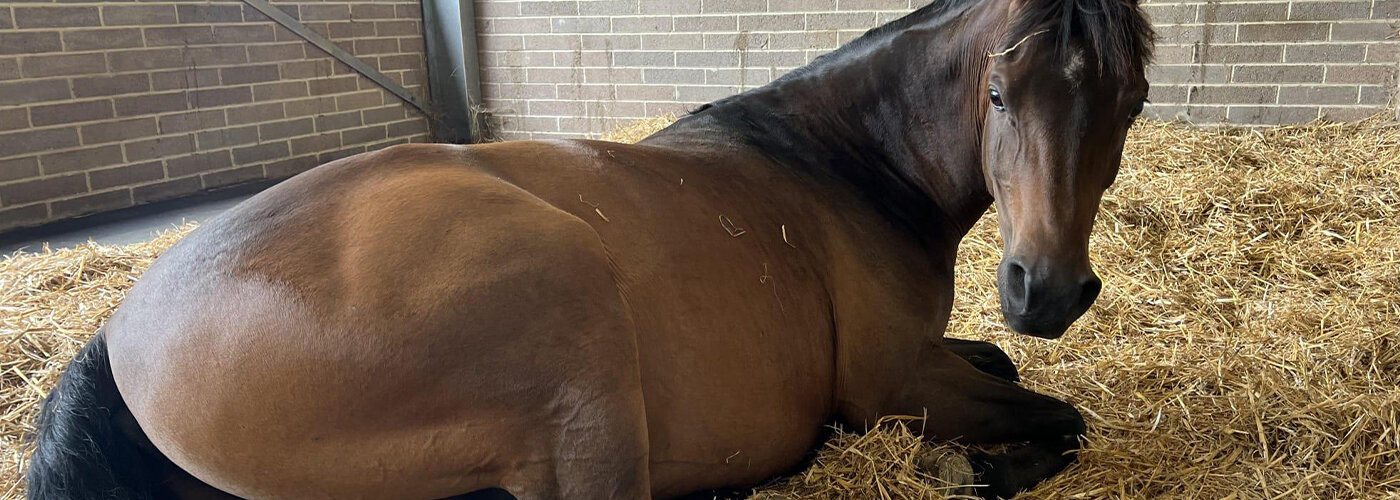
Find out more about the signs of colic in horses, how to treat it and how to prevent colic from happening.
Share this advice




The word ‘colic’ means ‘abdominal pain’. Colic is not a single disease – it is a clinical sign of a range of different conditions. Depending on the cause, the pain can range from mild to severe, and can be intermittent to continuous. The vast majority of colic cases involve a problem with the gastrointestinal tract (i.e., the stomach, small intestine, or large intestine).
Types of colic
The main types of gastrointestinal colic are:
- Gas (tympanic) colic: build up of gas in the intestines
- Spasmodic colic: periodic spasms of the intestines
- Impaction colic: presence of a mass, usually made of food or partially formed faeces, in the intestines
- Sand colic: build up of sand in the intestines
- Enteritis/enterocolitis: inflammation of the intestines
- Displacement colic: movement of a part of the intestine to an abnormal position
- Strangulating colic: any type of colic in which a part of the intestine loses its blood supply (this is the most dangerous form of colic for the horse)
Sometimes, the underlying cause of a case of colic is obvious – for example it could be due to a tumour, worms, or equine grass sickness. Often, however, the reason for development of excessive gas, unusual spasms, an impaction, or a displacement is never known.
Signs of colic
The clinical signs of colic pain range from mild to severe. The most obvious signs include:
- Restlessness
- Pawing
- Rolling
- and flank-watching (looking round at the flanks).
Less easy to spot are the early and more subtle signs which may include:
- Lying down more
- Eating less
- and/or passing fewer droppings than normal.
This is why knowing what is normal for your own horse is so important – if you don’t know what is normal, you won’t be able to spot when things are abnormal. Other cases that may be missed are the horses that started experiencing colic during the night or during a period when they were not observed and that are found muddier than normal (if they are turned out) or with cuts or abrasions to their head or bony areas of their body. These injuries are common in horses that have rolled violently and should alert you to the fact that something is wrong.
Why you should call the vet immediately
There are many reasons that you should make an emergency call to your vet at the first signs of colic. These include:
- Your vet can give you advice over the phone and help you decide whether an emergency call out is needed.
- A vet can provide pain relief which will help to alleviate the horse’s suffering (note that you should never do this yourself, unless you have been advised to do so by a vet)
- Although the severity of colic signs usually mirrors the severity of the disease, this is not always the case – any case of colic is potentially extremely serious and early diagnosis and appropriate management can, quite literally, make the difference between life and death
- The signs shown by the horse may be due to something other than colic; a vet will be able to determine this and provide immediate, appropriate treatment – something that is important for conditions such as laminitis, which can sometimes be mistaken for colic.
What to do while you are waiting for the vet
When you call your vet, they should give you advice on how to manage the situation until they arrive. Typically, they will advise allowing continued access to water but not feed. Depending on the horse’s condition, they may also advise limited hand walking. However, this should only be done on the recommendation of your vet and never to the point that the horse is tired.
The most important thing is to keep yourself and all other personnel safe (horses with severe colic and in significant pain may be very dangerous to handle) and to keep the horse as safe as their condition and the facilities allow. This is often most easily achieved by putting the horse in a well-bedded box from which you have removed anything on which the horse could hurt themselves. Horses that are found in the field with colic are also often best brought into a stable, particularly if it is dark, as colic cases require constant monitoring and this is much easier to do in the light.
You should not give the horse any medication, as this can make it more difficult for the vet to decide whether referral to an equine hospital is necessary. When the vet has assessed the horse, they will advise on treatment and management options.
Referral to an equine hospital
Some cases of colic are so severe that the horse requires transport to an equine hospital for life-saving medical treatment or surgery. However, this may not be an option, perhaps because the horse is now too sick to be transported or because the estimated cost of such treatment is prohibitive or greater than your vets’ fees insurance limit. , or because this just isn’t the right thing to do for your particular horse or in your circumstances. Your vet can help you to make the right decision so it’s important to talk to them about your worries and concerns.
If referral but not pursued, the priority must be to keep the horse as comfortable as possible during a period of continued monitoring. If the horse’s condition deteriorates further, if their pain cannot be controlled, or if it is obvious that surgery is required but is not an option, euthanasia should be performed to prevent further suffering.
Risk factors and prevention
The cause of an episode of colic may never be known. However, we know a lot about factors that affect the risk of colic. To minimise the risk you should:
- Ensure that the horse’s diet is forage based (grass, hay, or haylage)
- Make any changes in diet gradually, preferably over 10–14 days
- Minimise the amount of concentrates fed, feed only low starch/sugar feeds, and split any concentrates fed into as many feeds/day as possible
- Ensure that horses always have access to fresh, clean water
- Never allow horses on sandy soils that have been overgrazed or have minimal grass coverage
- Never feed grass clippings or unsoaked sugar beet
- Follow a vet-led worm control programme
- Have your horse’s teeth checked by a vet or equine dental technician (EDT) every 6–12 months
- Minimise the number of hours spent stabled and maximise grazing time
- Allow as much turnout/free exercise as possible
- Make all changes to routine (e.g., 24/7 stabling vs turnout, amount of exercise) gradually
- Minimise the number of people who care for your horse, and ensure that all carers know your horse’s habits and routine
- Be particularly careful in checking for signs of colic after travelling (transport increases the risk), especially if water has been withheld
Colic in horses
This fast facts guide includes:
- Clinical signs and types of colic
- Potential causes of colic
- Methods of prevention
Share this advice
Popular advice in Health
Mites: how to treat them in horses
Find out how our experienced teams tackle this itchy problem in affected horses and ponies.
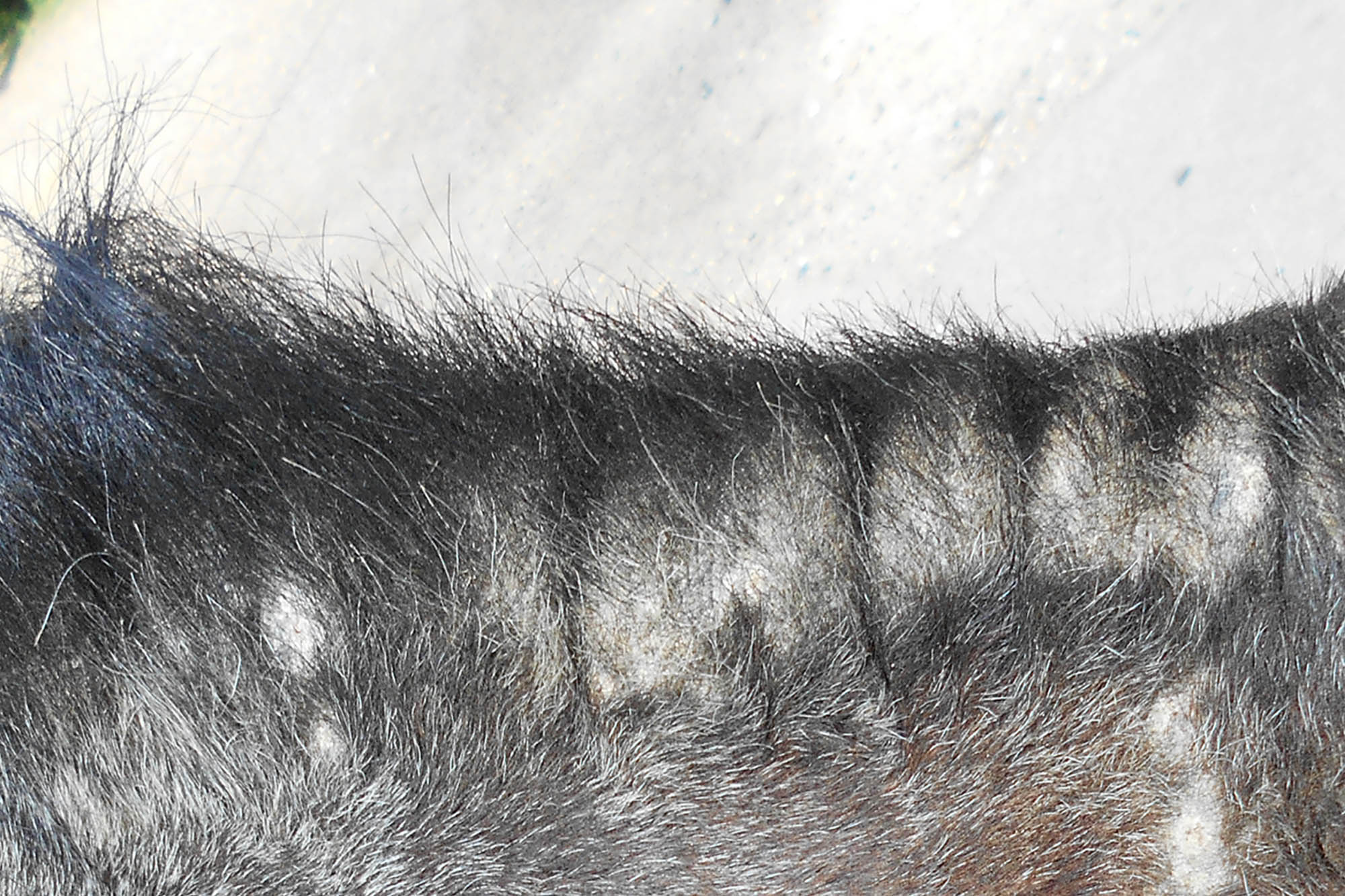
Sweet itch
Sweet itch is one of the most common allergic skin diseases affecting horses in the UK - learn how to prevent and manage it.
Other advice categories
All webinar categories:
Call our Advice Line
+44 (0)1953 497 238Not found the advice you were looking for? Our friendly team of horse care experts offer free practical advice. What can we help you with today? Our advice line is available 8.30am-5:00pm, or you can email education@worldhorsewelfare.org.