
Heatwaves and horses: what every owner needs to know
From hydration and shade to travel, exercise and spotting heat stress, our experts share practical ways to help keep horses safe, comfortable and well during hot weather.
Posted on 10/07/2026
Share


When temperatures soar, small changes to a horse’s routine can make a big difference. Recent heatwaves have already affected our work, from adapting routines at our rescue and rehoming centres to seeing more welfare reports about horses left without shade or water.
To help owners feel prepared, we asked Glenda Spooner Farm Centre Manager Claire Dickie, Education Officer Rebecca Boulert and Research and Education Officer Alana Chapman for their practical advice on keeping horses safe, settled and comfortable in hot weather.
How should horses be managed in hot weather?
One thing owners – and anyone caring for horses – should be mindful of with the hot weather we’ve been experiencing is that heatwaves are, by their very nature, quite sudden. Like us, most healthy horses can acclimatise to hot weather in time, but sudden huge changes in temperatures don’t give them a chance to do that.
Horses should have always access to shelter – whether natural or man-made – but it’s even more important to make sure they have shady areas in hot weather. Ideally, they will have a field shelter (or access to a well-ventilated stable) as well as other shady areas so that they are able to choose where they would like to be. If there isn’t any shade in your horse’s field, consider whether you can put something up temporarily.
If trying to decide whether to keep horses in during the day in a heatwave, it’s worth bearing in mind that wooden stables can get extremely hot unless very well ventilated. If that’s the case, horses may be better off out, provided that they do have access to shady areas.
How can we create more positive experiences for our horses in really hot weather?
As well as considering using sloppy feeds like mashes or sugar beet (introduced carefully if your horse doesn’t usually have those feeds), owners can use frozen carrots and apples in water for enrichment.
Owners could also try setting up misters, sprays or fans so that horses can choose whether to cool themselves, as well as providing a water buffet (buckets of water flavoured with different things). However, at least one completely fresh unflavoured supply should be available at all times too.
Many horses really hate flies and if your horse doesn’t like a fly rug, or gets too hot with one on, you may need to consider a long-acting fly repellent. Some, such as Deosect, will need to be prescribed by your vet (bear in mind that the effect of long-acting repellents will be reduced if you wash/cool your horse with water).
Teaching your horse to be hosed down or washed off before hot weather hits can make a big difference. Training this as a life skill, so that the horse is calm and relaxed about being washed off when it matters, will make their life and yours so much easier.
How might hot weather affect horses’ behaviour?
Horses, like us, can be affected by hot weather so if you notice that they seem more irritable than usual, it may be a combination of the heat, flies and possibly not sleeping well or as much as usual, if they don’t want to lie down on hot, hard ground.
While horses are likely to be more sluggish than usual when temperatures climb, it’s worth monitoring them regularly – this could be in person or using a field camera – to make sure they’re not running around too much, whether playing or in response to external stressors such as flies.
What about routine vet or farrier appointments?
If your horse is due to have a routine vet or farrier appointment during a heatwave, it’s worth considering whether that can be moved to a cooler time of day. Ideally, make sure the appointment takes place somewhere shady and away from flies, and that both horses and humans stay hydrated if it’s a long appointment.
Can horses be ridden in hot weather?
With a sudden heatwave, it’s important to make sure that horses are given time to acclimatise to higher temperatures and not simply expected to cope with their usual workload. Prolonged heat is exhausting for all of us, so humans and horses must accept that during heatwaves we have to reduce the amount we expect to achieve.
Giving horses more downtime, reducing the amount and intensity of exercise, even when only working horses very early in the morning, and being very patient with ourselves too is critical for keeping everyone feeling well.
What do owners need to consider when travelling horses in hot weather?
Heat stress is a big concern when transporting horses in hot weather. Unless using a vehicle with climate control, owners should only travel horses in a heatwave if really necessary and undertake journeys in the coolest parts of the day. Bear in mind too that the more horses there are on board, the higher the heat and humidity will be inside the vehicle.
Temperatures inside a vehicle which isn’t climate controlled can climb very rapidly, so it’s important to be aware of the forecast for the duration of the journey, not just the start. If moving horses between different countries, check the rules for travelling in hot weather in each country before you set off and make sure that border control posts are open. You should have a contingency plan in place for the full length of the journey, including for delays, vehicle issues and veterinary emergencies.
If you’re considering transporting a horse to an event, bear in mind that travelling is hard work for horses in normal temperatures. A horse who has travelled to an event in hot weather in a vehicle without climate control will have used quite a lot of energy trying to keep themselves cool and is less likely to perform well.
Are there any health conditions which horse owners need to be particularly mindful of during hot weather?
While most healthy adult horses are able to acclimatise to consistent hot weather, elderly, very young horses and any otherwise not in optimal mental or physical health are more likely to struggle. Those with thick coats – whether due to Pituitary Pars Intermedia Dysfunction (PPID), commonly known as Cushing’s disease, or their breed – should be monitored closely. Overweight horses are also more likely to struggle to keep themselves at a comfortable temperature in hot weather.
Horses can become more prone to colic during prolonged heat. Ensuring horses have access to clean water ideally from more than one source, i.e. a trough and buckets spread about the paddock or stable, can make a big difference. Providing hay that’s been soaked/dunked for a few minutes and adding more water to feed are also good ways of keeping fluids up when extreme heat lasts more than a day or so.
Can horses get heatstroke?
Horses can get heatstroke and it’s really important to take precautions to avoid it, as heatstroke can be fatal in the most severe cases. The key is to spot the signs early, stop exercising your horse immediately and call your vet. Whilst waiting for the vet, you should cool your horse as quickly as possible, using cold water all over their body.
What about longer term considerations?
With extreme weather becoming the norm, it’s important to get on the front foot and try to be better prepared for both heatwaves and wetter windier winters. Planting trees will help hugely with all these challenges and even a couple of mature trees can provide excellent shade and shelter for a group of horses. Shade provided by trees is usually noticeably cooler than that in our manmade shelters too.
Another thing to consider is the increased risk of fire during prolonged hot, dry and windy weather. Having a well thought out fire risk assessment, firefighting equipment in good condition and an evacuation plan will have a huge impact in an emergency. Similarly, training your horse to load well even if you never plan to move them might make all the difference, whether in a fire risk situation or an emergency trip to the vets.
Related reading
Share
Topics
Related Blog Posts

Plan for an emergency when you’re not around – help us to help your horse
Deputy Chief Field Officer Jon Phipps has top tips for owners on making plans just in case your horse injures themselves when you’re not there.
How to help a needle-shy horse overcome their fear
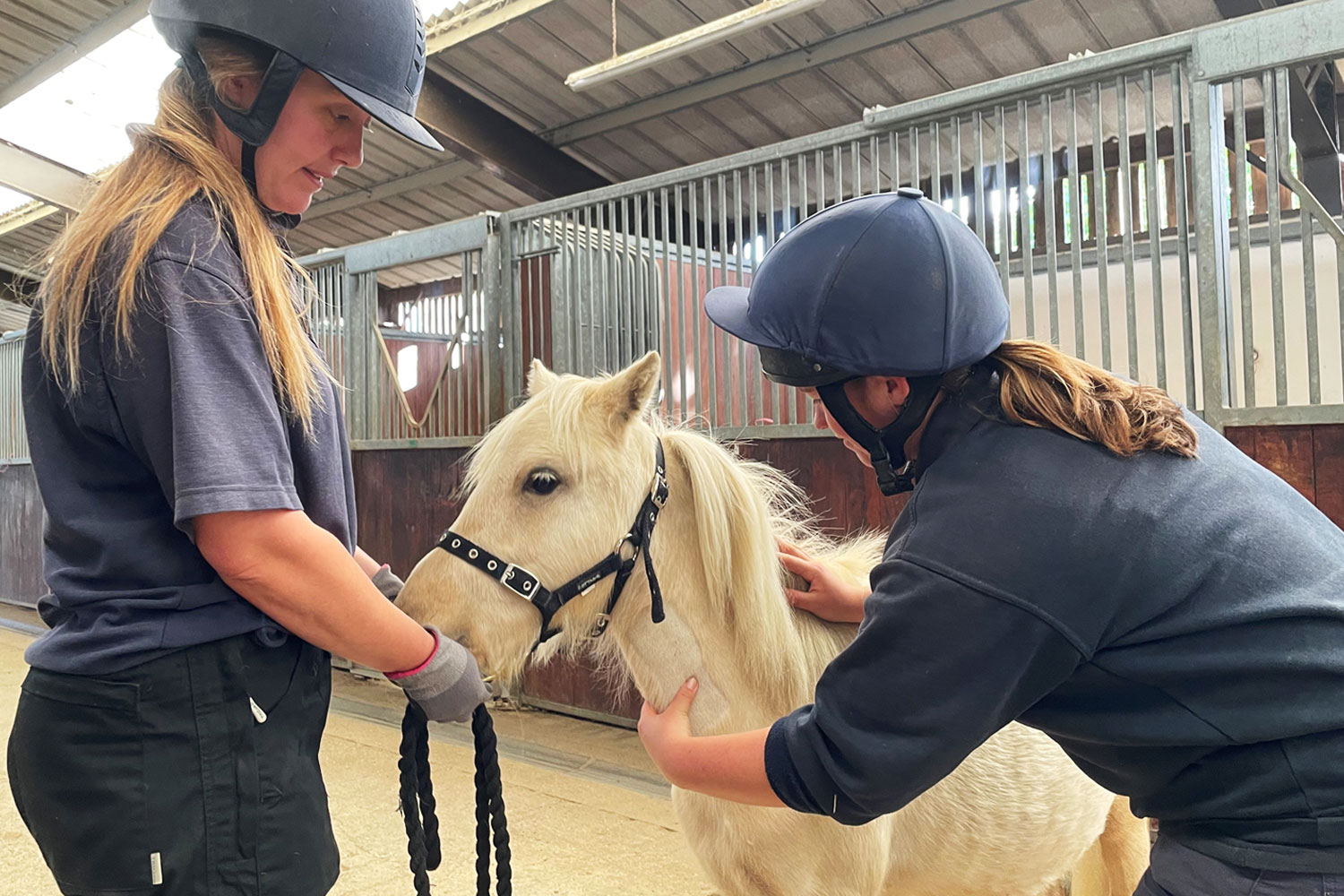
Grooms Amy and Emily explain how they work with horses who are nervous with needles before a visit from the vet.
Recommended News Articles

“More icing than cake” says World Horse Welfare CEO on winning RHS Chelsea Flower Show People’s Choice Award
World Horse Welfare Garden at RHS Chelsea Flower Show wins People's Choice Award for stunning artisan garden.

Free to access advice site paves the way for better equine welfare.
New resource hub for all horse owners and care-givers contains the latest and most up-to-date advice, supported by industry experts

Revealing our ambitious environmental commitments
We are proud to announce the launch of our Environmental Sustainability Strategy as first steps towards becoming net zero
Enjoy reading stories like this?
Join over 65,000 other horse lovers and sign up for our email newsletter

Join over 65,000 other horse lovers and sign up for our email newsletter
Sign me up now
