
The importance of using appropriately trained hoof care providers
Our Director of UK explains what owners should look out for when choosing someone to care for their horse’s feet.
Posted on 29/07/2026
Share


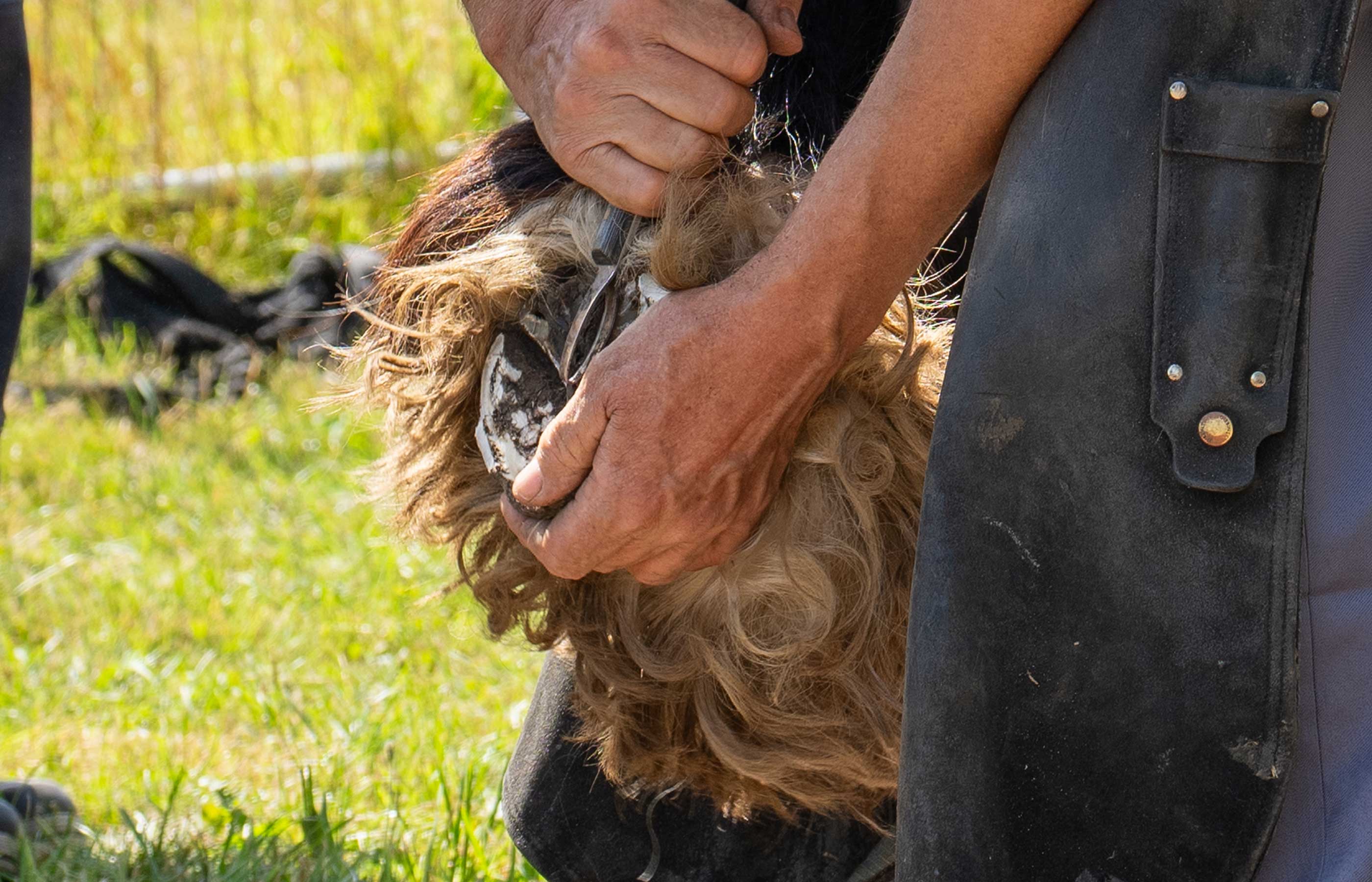
We know owners usually just want the best for their horses, from health care to hoof care. However, with barefoot trimming currently unregulated in the UK, it can be hard for owners to know if a trimmer is appropriately qualified. Our Director of UK and vet, Malcolm Morley, explains what owners should look out for – and why we require registered farriers to be used for our rehomed horses, ponies, donkeys and mules until proper regulation is in place.
Whether a horse is barefoot or shod, it’s vital that their hoof care is delivered by an appropriately trained and qualified individual, working in conjunction with a vet when necessary. Currently, in the UK anyone can set themselves up as a barefoot trimmer without being subject to any regulation, unlike registered farriers. We really appreciate that many podiatrists and barefoot trimmers are excellent and many owners have positive relationships with them. However, unfortunately we have also seen cases where poor trimming or reluctance to involve a vet when needed has contributed to serious and avoidable suffering.
This is not about whether a horse is barefoot or shod. It is about whether the person caring for that horse’s feet has the right training, judgement and willingness to work with others when the horse’s welfare depends on it.
We would urge owners to make sure that the person caring for their horse’s feet is suitably qualified – and willing to work alongside a vet when appropriate, such as in the event of laminitis, which should always be treated as a veterinary emergency. Red flags that owners should watch out for include someone claiming that their particular way of trimming solves everything, that conventional hoof care approaches aren’t to be trusted, that horses experiencing pain are undergoing a ‘transition’ and don’t need veterinary treatment, or that owners can trust their approach over veterinary advice in a serious welfare situation, including where euthanasia has been recommended on welfare grounds.
If an owner finds themselves involved with someone who they have realised is not caring for their horse’s feet appropriately, they shouldn’t hesitate to contact a vet in the first instance. Some of the more concerning hoofcare schools of thought can leave owners feeling isolated, or encouraged to distrust vets, farriers and others around them who may be trying to help. That can be an incredibly difficult situation to be in, and owners should be reassured that seeking veterinary advice is the right thing to do for their horse.
The reason we currently insist on the use of registered farriers for our rehomed horses is not because we believe every barefoot trimmer is unsuitable, but because there is currently a complete lack of regulation of barefoot trimmers to give owners, charities and horses the safeguards they need. We strongly support reform of the Veterinary Services Act and the introduction of proper regulation of allied professionals, including barefoot trimmers. Currently, horses are being left vulnerable because legislation has failed to keep pace with modern practice.
Useful links
Related content
Share
Topics
Related Blog Posts

Plan for an emergency when you’re not around – help us to help your horse
Deputy Chief Field Officer Jon Phipps has top tips for owners on making plans just in case your horse injures themselves when you’re not there.
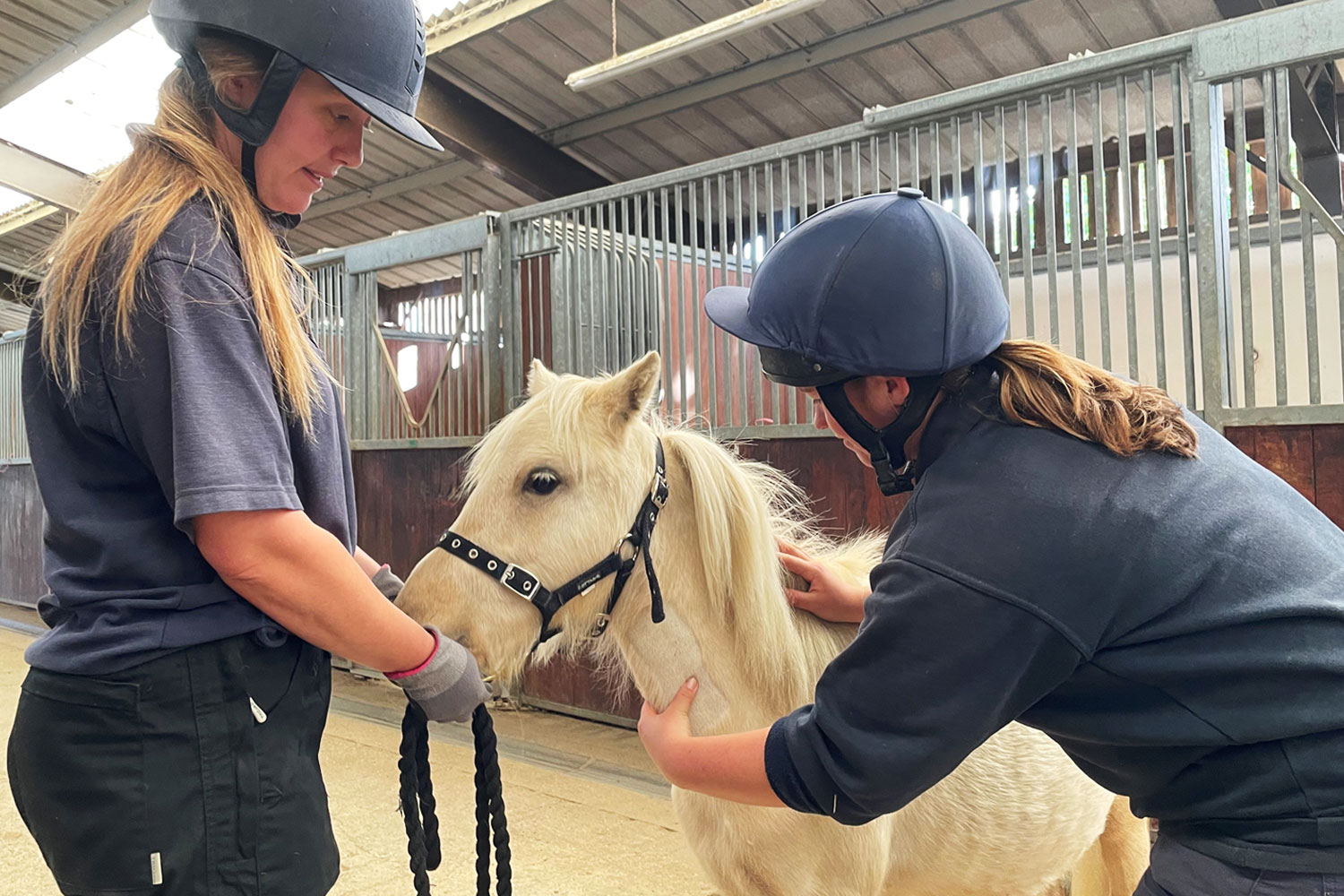
How to help a needle-shy horse overcome their fear
Grooms Amy and Emily explain how they work with horses who are nervous with needles before a visit from the vet.
Recommended News Articles

Dismay at misrepresentation of World Horse Welfare’s views
Charity sets record straight about its views on equine mental health and solutions for horses who have lost a companion.

Free to access advice site paves the way for better equine welfare.
New resource hub for all horse owners and care-givers contains the latest and most up-to-date advice, supported by industry experts
Enjoy reading stories like this?
Join over 65,000 other horse lovers and sign up for our email newsletter

Join over 65,000 other horse lovers and sign up for our email newsletter
Sign me up now
