
After being rescued from horrendous conditions in February last year, eight horses have been expertly rehabilitated by our Belwade Farm team.
Posted on 22/06/2026
Share


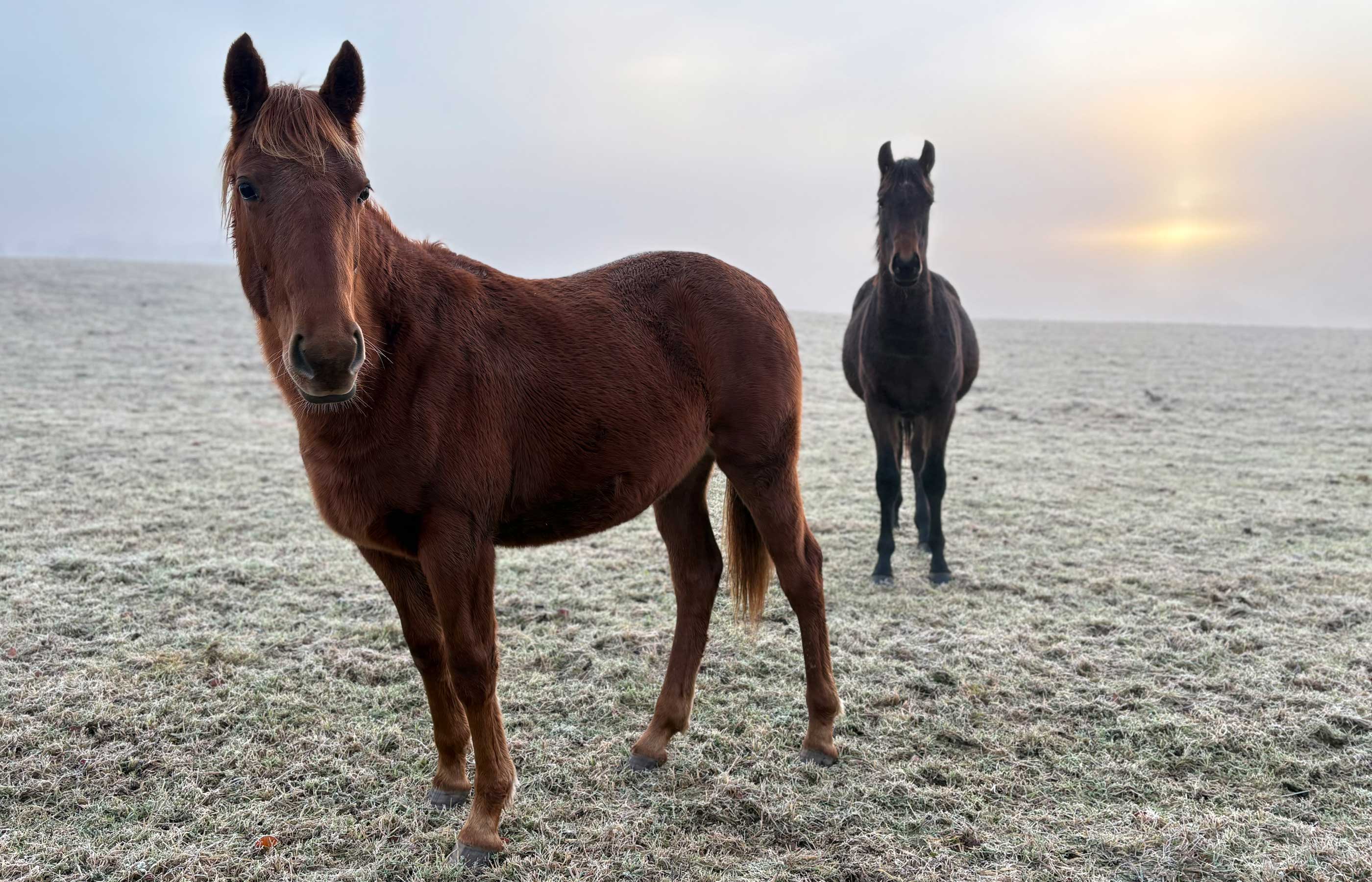
When eight horses arrived at our Belwade Farm Rescue and Rehoming Centre last year after having been rescued from truly horrific conditions, the team knew they had lot of work ahead of them to transform the group into happy, healthy horses. It was clear that the youngsters in particular had received little, if any, handling before coming into our care. We caught up with some of the team to find out just what went into the horses’ transformation.
Using positive reinforcement to help horses learn to be handled
The largest new arrival was a young Shire mare named Thora, who arrived with very sore legs and minimal experience of being handled. Yard supervisor Sarah Hector took on the challenge of caring for Thora and explains:
“Thora has come on in leaps and bounds since arriving with us. On arrival, she was underweight and had minimal handling skills, as well as painful leg sores due to untreated mites. This made it very difficult for her to receive farrier care to begin with, as she was, understandably, very defensive of her back legs being touched. The first few times she had her feet trimmed, she required sedation so that the farrier could trim her feet safely.
“Once the leg mites were treated, I started on building her confidence with having her legs brushed and teaching her to pick up her feet. Thora is a very quick learner and responded very well to positive reinforcement, so this meant she was soon able to have her feet done by the farrier without sedation, which was huge progress!”

Using positive reinforcement means using something the horse likes, such as food or scratches, to encourage a behaviour. When working with unhandled horses, our grooms will often use food to build a positive association with humans to begin with, before using more targeted reinforcement to train the horse to do something specific, such as have a headcollar put on or, in Thora’s case, allow her legs to be handled. Sarah continues:
“Thora has always loved people and been very friendly, but due to her lack of handling I did lots of groundwork around leading and backing up. This has really helped her become a lovely horse to spend time with and she’s now great to catch, lead and groom. Thora loves to see what’s going on and was always one of the first over to meet us or visitors to the farm. Having been underweight when she got here, Thora put on 100kgs during her time at Belwade and is now standing at 18.2hh. She left the farm earlier this year for a lovely new home and we’re looking forward to following her progress with her rehomer.”
Once Thora had settled in, her rehomers got in touch to share an update on her journey, hoping to encourage more people to rehome:
“We truly feel incredibly fortunate to have Thora as part of our family – she has settled in so wonderfully and brings us so much happiness every day. Her gentle, affectionate nature has completely captured our hearts, and seeing her now, it’s hard to image the difficult journey she has come through.
“While her story of neglect and suffering is truly heartbreaking, especially given her incredibly kind nature – it makes it all the more meaningful to see her now safe, loved and thriving. We feel very privileged to be part of her happy ending.”

Transforming a frightened foal into a bold youngster
One of the youngest horses rescued from the site was a foal named Cinnamon, who was found on her own standing beside her dead mother in the dark. Despite her awful start in life, Cinnamon absolutely blossomed at Belwade Farm. Her groom Paige Main says:
“Cinnamon had clearly had very little, if any, handling before she got here and she was pretty nervous around people to begin with. Realising that humans meant food made a big difference though! She was hesitant at first but proved to be a very quick learner once I’d begun to gain her trust. Despite being the smallest in the group Cinnamon was the bravest of the youngsters – she quite quickly began to be comfortable coming in away from her friends for a fuss and a groom.
“Cinnamon was also very brave with the trailer when I started doing loading practice with her to get her ready for rehoming. By the time she was ready to find a new home, she was bold as brass and always the first one to come over in the field to say hello. I think she’ll make a wonderful ridden horse when she’s old enough – I can’t wait to see what she gets up to in her home.”

Groom Jodie MacLennan cared for one of the youngest in the group, a little bay filly named Toast, from the day she arrived at Belwade Farm. Jodie says:
“When she first got here, Toast was the most timid of the babies – she had no confidence and would hide behind all the others. It took a while to gain her trust, but I soon realised she was very motivated by food, which helped massively! Once she trusted me, it became much easier to do all the handling she needed, and she’s now very confident, comes to call in the field and absolutely loves attention. When she went up for rehoming I applied for her and am hoping she will be my next ridden horse in the future!”
Tailoring training to the individual horse
There were another two fillies in the group, a three-year-old Thoroughbred named Kauri and a yearling Hanoverian named Akakura. Like the others, neither had had much handling before arriving at Belwade. Both proved to be very quick learners, however, and made great progress once their groom gained their trust.

When using positive reinforcement in training, you need to find something that the particular horse you’re working with enjoys. Unlike Toast, who’s very food-motivated, Akakura wasn’t particularly excited about treats. When her groom realised she really enjoyed a scratch, that proved to be a real breakthrough and Akakura’s training began to progress much more quickly.
Both Kauri and Akakura quickly found homes as Youngsters (one of our rehoming categories, which means they may be able to be brought into work when mature enough and should have regular handling until then) once they’d completed their rehabilitation.
Lovely Cruz finds a home
After waiting for some time to find a home of his own, the last horse from the group has finally started his new chapter. Handsome gelding Cruz was looking for a home as a companion, but kept being overlooked despite his lovely nature. His groom Claire O’Brien says:
“Cruz has been a lovely laid-back gelding right from the start. He loves nothing more than snacks and cuddles – he adores attention and really enjoys coming in for a pamper. He is a yard favourite, who always calls to the grooms in hope of a pony nut or two. Cruz has a lovely temperament and is very good to handle for our vet and farrier. We knew he’d be the ideal fit for someone looking for an easy-going, well-behaved gelding to join their herd and I was so happy when he finally found his perfect match.”

If you could offer one of our horses and ponies a loving home of their own, check out our rehoming pages.
Share
Topics
Related Blog Posts
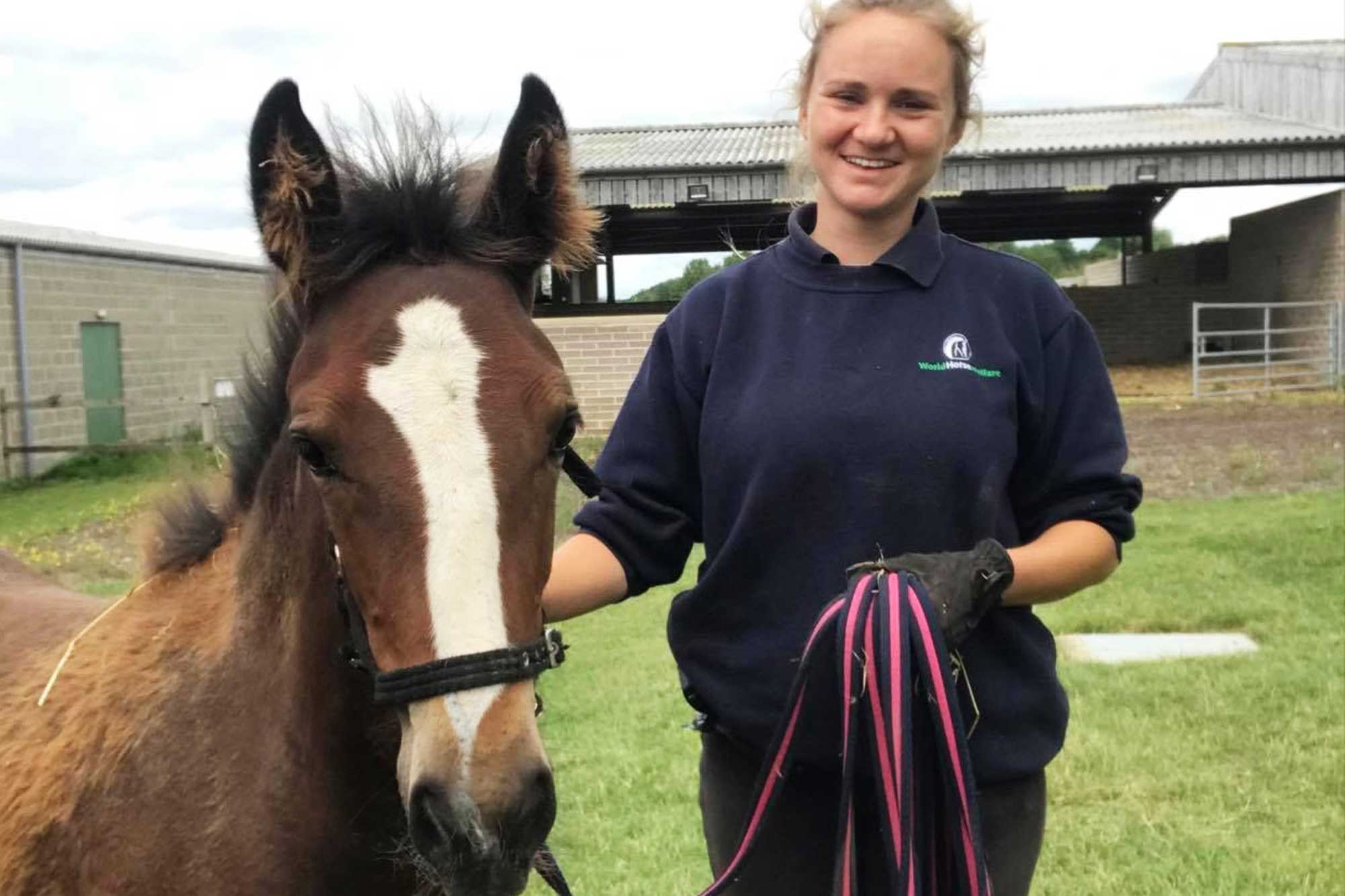
Buena’s story – how our foals are cared for from birth to rehoming
Senior Groom Steph introduces lovely filly Buena and explains how the team care for foals from birth right through to finding them a loving home for youngster handling.
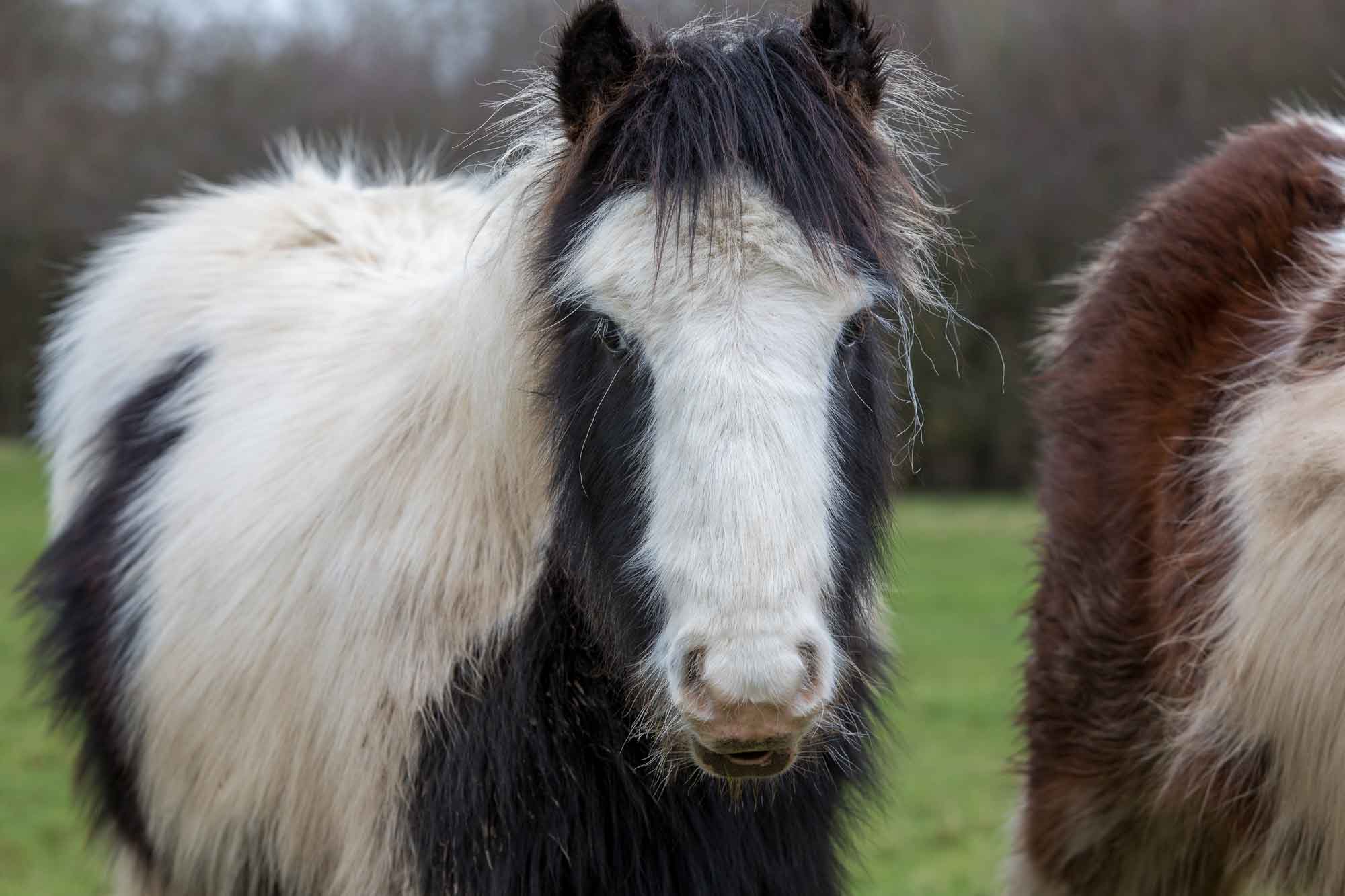
Behind the scenes: the first few months as a World Horse Field Officer
Find out what really goes on behind the scenes as a World Horse Welfare Field Officer.
Recommended News Articles

New laminitis research shows gaining weight is a risky business
This newly published research provides compelling evidence that laminitis developed significantly more often after horses and ponies gained weight rather than when they lost or maintained weight.

World Horse Welfare statement in response to the UK Government’s new Animal Welfare Strategy
Our Chief Executive, Roly Owers, responds to the publication of the new strategy.

MSPs from all political parties urged to support an improved equine ID system
Exhibition at the Scottish Parliament highlights the importance of a digitalised equine ID system
Enjoy reading stories like this?
Join over 65,000 other horse lovers and sign up for our email newsletter
Join over 65,000 other horse lovers and sign up for our email newsletter
Sign me up now
