
Laminitis in horses
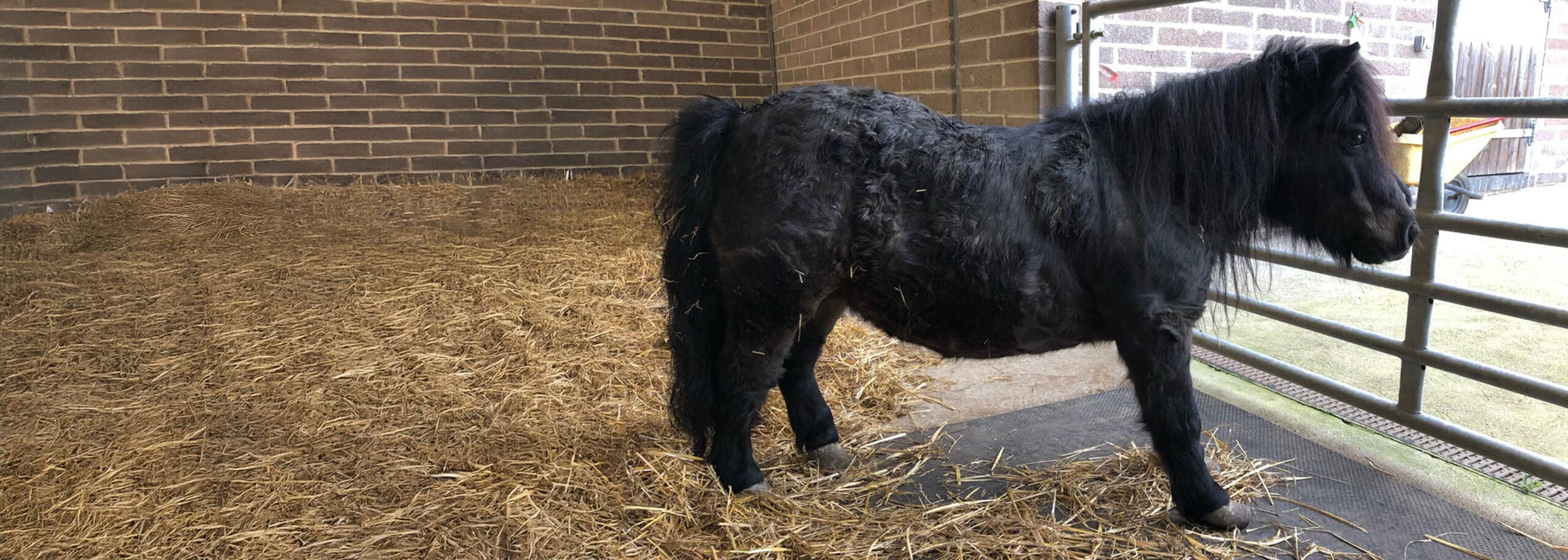
What causes laminitis, how to recognise it and what to do if your horse shows signs of laminitis.
Share this advice




What is laminitis?
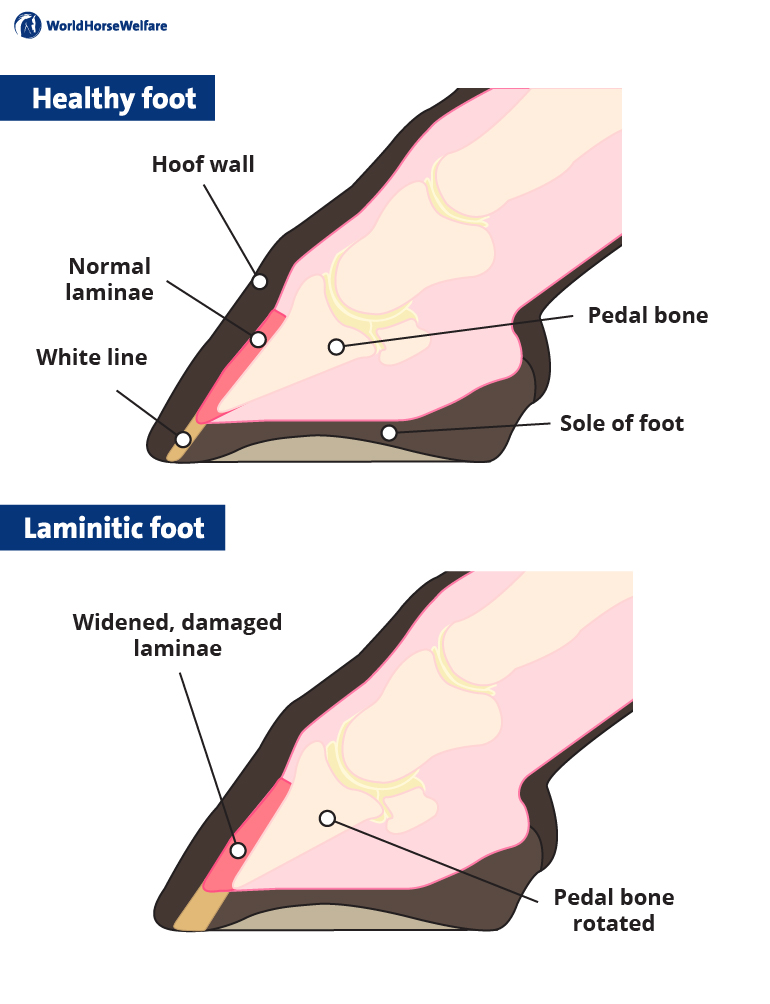
Laminitis is an extremely painful condition of the feet in which there is inflammation and weakening of the sensitive tissues (laminae or lamellae) that bond the pedal bone (the main bone within the hoof) to the hoof wall and it can affect any horse, pony, donkey or their hybrids.
Risk factors can include:
- Diets high in sugar
- Lack of movement
- Hormonal disorders such as equine metabolic syndrome (EMS)
- Weight gain
Virtually all cases of laminitis are caused by high insulin concentrations. Insulin is a hormone that plays a role in blood sugar regulation, storage and use of glucose and how fat is stored. Insulin increases as a result of weight gain, excess dietary sugars and sometimes pituitary pars intermedia dysfunction (PPID/Cushing’s disease). Equine metabolic syndrome (EMS) is a term that is used to describe horses that have excessive fat tissue (internally or externally) and high insulin concentrations. Research has shown that horses (and particularly ponies) that have high insulin concentrations are at high risk of laminitis.
The weight of the horse pushing down on these weakened tissues can cause the pedal bone to separate from the hoof wall and rotate or drop towards the sole. In severe cases the pedal bone may penetrate through the sole of the foot. It is an emergency, and you must contact your vet immediately if you think your horse might be suffering from laminitis.
Prevention of laminitis is essential whenever possible as once a horse has suffered from it they are at increased risk of developing it again.
Laminitis guide
The guide further explores:
- The structures of the hoof and how they change in laminitic horses
- Causes and risk factors
- When to call your vet
- Management of laminitic horses
In 2010 World Horse Welfare, alongside Dodson & Horrell, the Royal Veterinary College, the Royal (Dick) School of Veterinary Studies and the University of Liverpool held a series of lectures on the dangers of laminitis.
You can view some of these lectures in the playlist above. The topics covered in these videos are:
- The horse’s foot and how it can go wrong
- Recognising the early signs of laminitis
- Managing your laminitic horse and minimising their pain
- Using ultrasound to show the difference between fat and muscle and how to fat score a horse.
Not sure how to check your horse’s digital pulse? Watch our video to learn how.
Last updated: 29/6/2026. Advice collated by the World Horse Welfare research and education team and externally reviewed by David Rendle, BVSc MVM CertEM(IntMed) DipECEIM FRCVS
Share this advice
Popular advice in Health
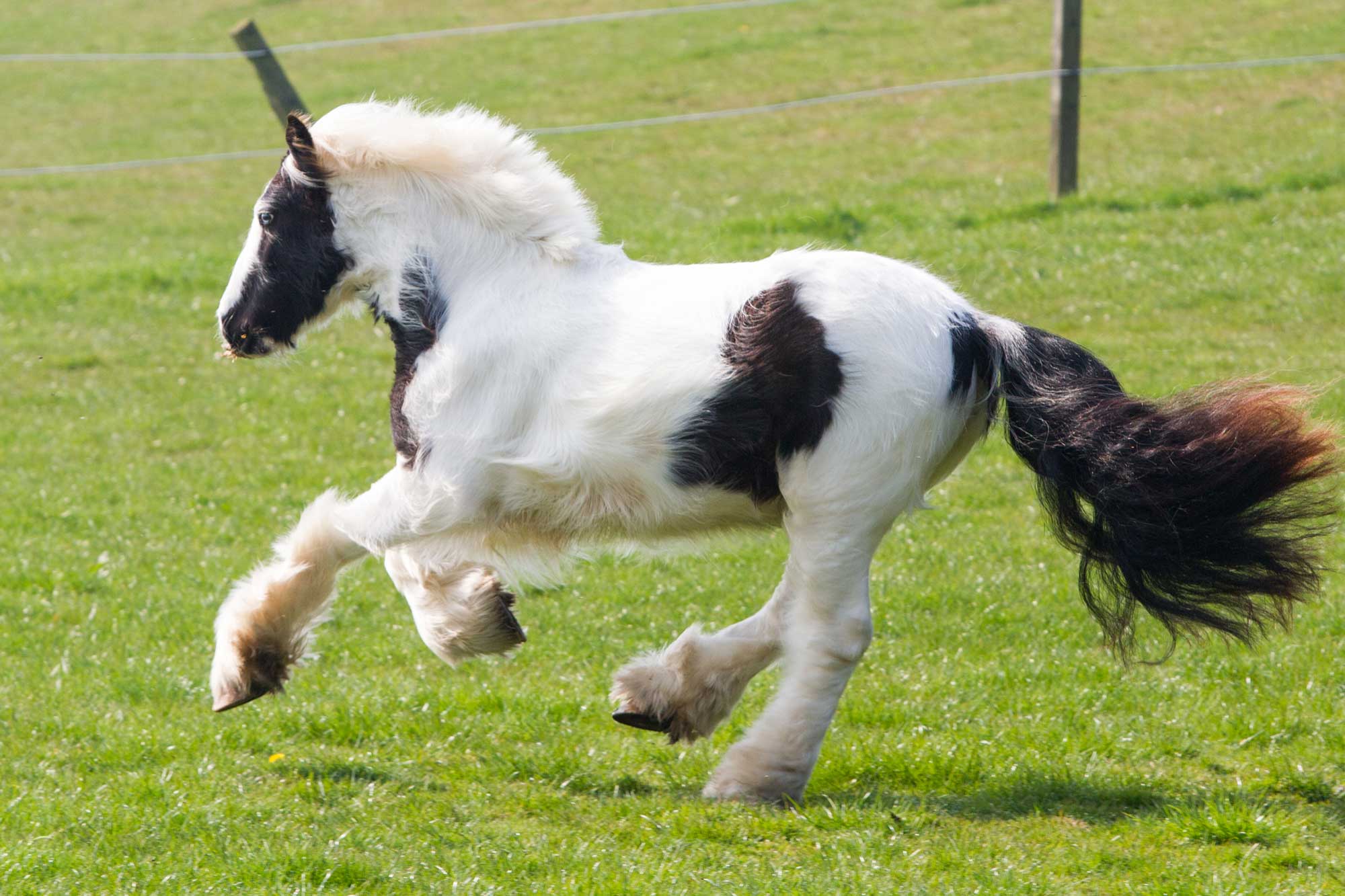
Mites: how to treat them in horses
Find out how our experienced teams tackle this itchy problem in affected horses and ponies.
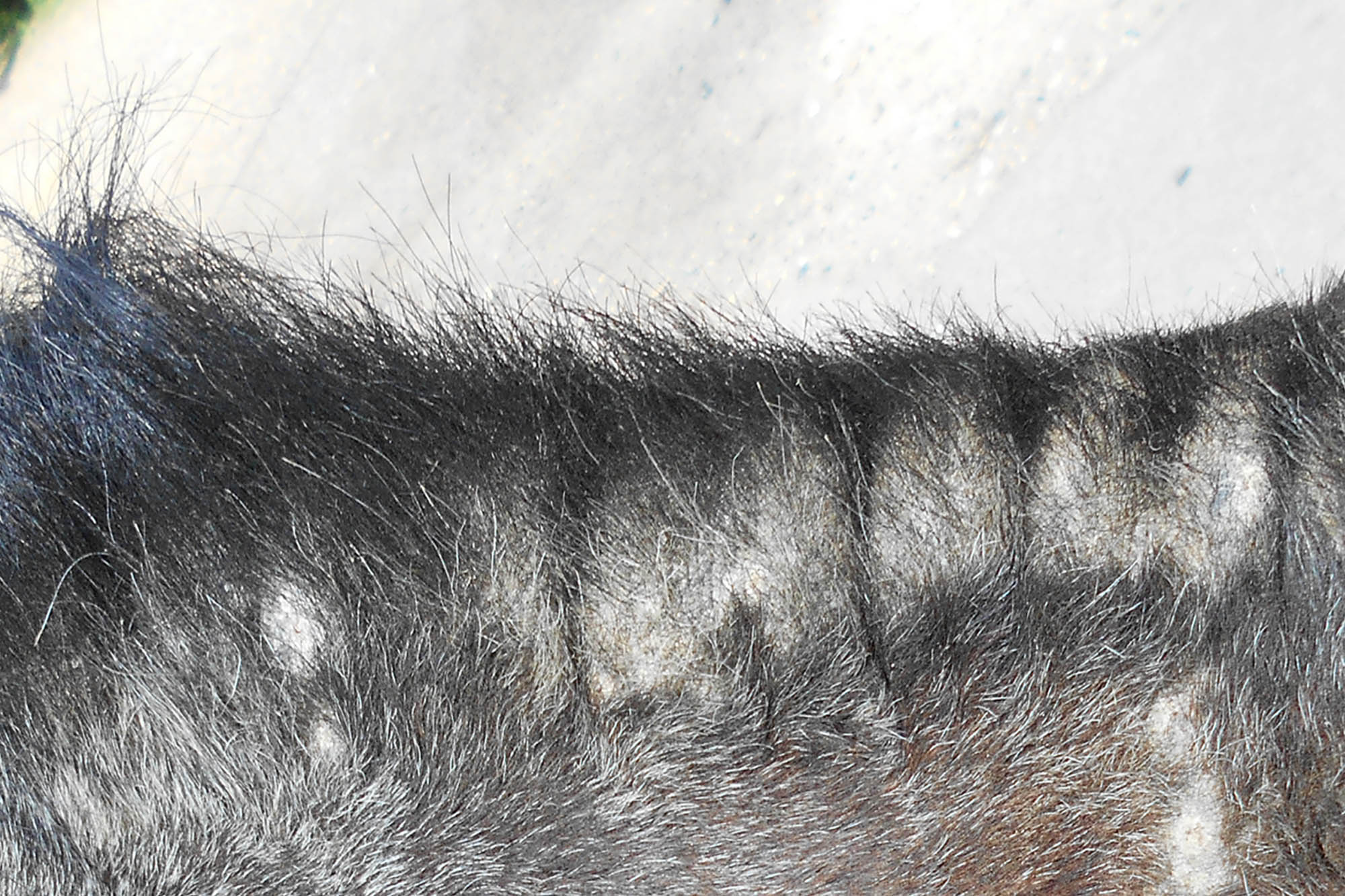
Sweet itch
Sweet itch is one of the most common allergic skin diseases affecting horses in the UK - learn how to prevent and manage it.
Other advice categories
All webinar categories:
Call our Advice Line
+44 (0)1953 497 238Not found the advice you were looking for? Our friendly team of horse care experts offer free practical advice. What can we help you with today? Our advice line is available 8.30am-5:00pm, or you can email education@worldhorsewelfare.org.