Equine charities speak up for working animals at Africa Regional Forum on Sustainable Development
The International Coalition for Working Equids (ICWE) hosted an event at the United Nations Africa Regional Forum on Sustainable Development.
Posted on 05/03/2020
Share


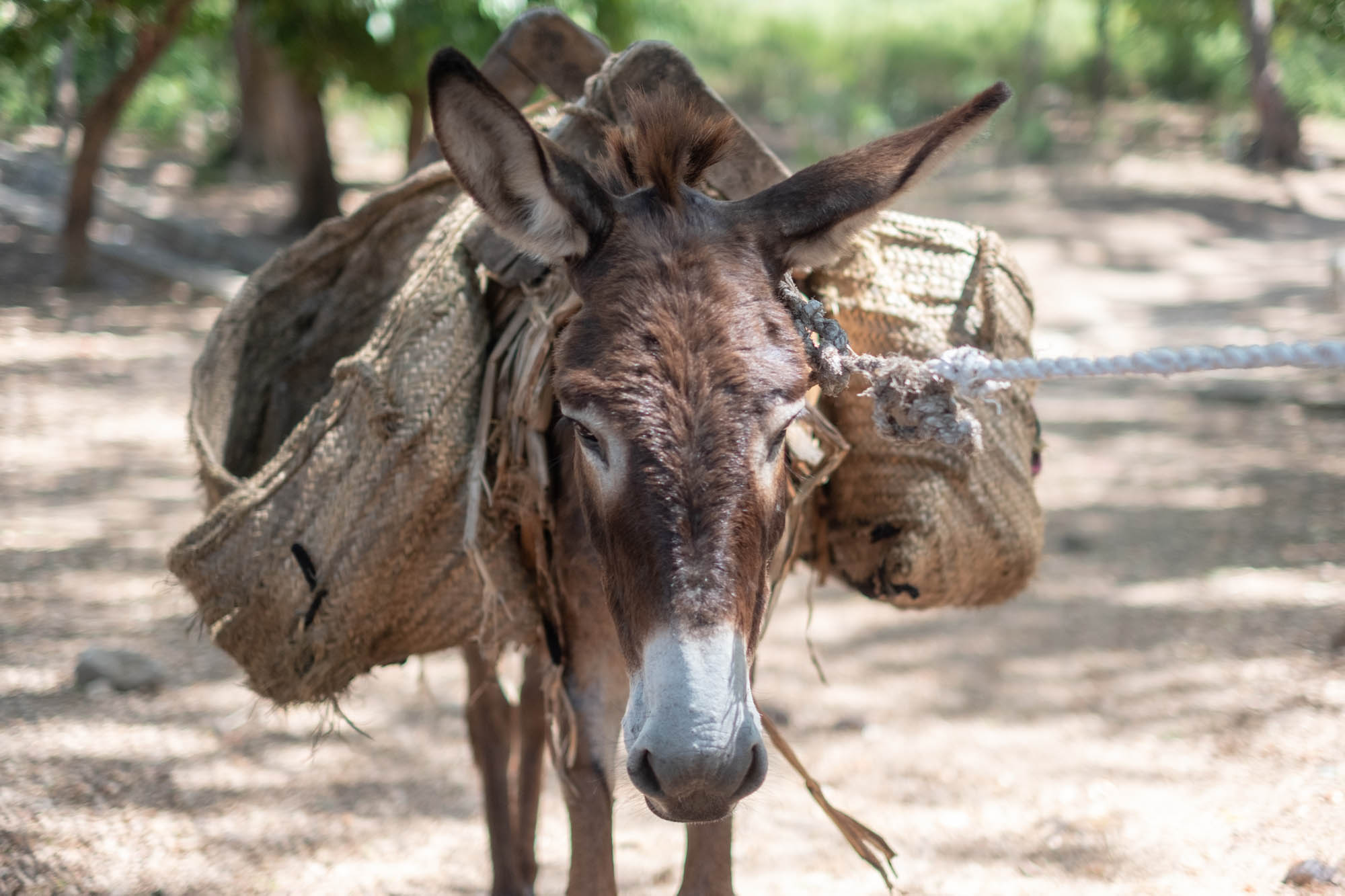
The International Coalition for Working Equids (ICWE) hosted an event at the United Nations Africa Regional Forum on Sustainable Development (ARFSD) in Zimbabwe last week. The event, co-chaired by the Deputy Ambassador of the Mission of Senegal to the United Nations H.E Abdoulaye Barro and Fred Ochieng, Regional Director of Brooke East Africa, highlighted the role working livestock, including donkeys, horses and mules play in helping deliver the Sustainable Development Goals (SDGs).
ICWE members Brooke, The Donkey Sanctuary, SPANA and World Horse Welfare all work in rural communities and have witnessed first-hand that improving the health and welfare of working animals has a direct impact on livelihoods. Representatives from ICWE member organisations and partners talked about the contribution of working animals to poverty reduction, providing access to water, supporting women in rural areas and mitigating against climate change.
Herminah Simoyi, Humane Education Officer at SPANA said:
“Animal welfare is inextricably linked to global health. We have seen the impact of equine respiratory outbreaks in West Africa, or the consequences of rabies outbreaks in vulnerable communities. Veterinary professionals without comprehensive training are poorly equipped to cope with outbreaks of disease that can significantly impact human and animal health.”
Rouguiatou Ka from Brooke West Africa gave a first-hand account of how working horses, donkeys and mules contribute to poverty reduction:
“In my country, Senegal, the absence of an equine animal would result in a 45% reduction in millet production and a 78% reduction in groundnut production.”
Concluding the event, Ambassador Barro called on all present to work towards a world where nothing and no one is left out of discussions on sustainable development.
ICWE believe the SDGs require simple and cost-effective solutions that will benefit the poorest and most vulnerable people in society.
Ian Cawsey, ICWE Chair and Director of Advocacy at The Donkey Sanctuary, said:
“Our presentation to the ARFSD comes at a crucial time for us as we ensure the key role working donkeys, horses and mules play in a sustainable planet is understood and acknowledged.
Across Africa, families and communities are dependent on their working animals. We know that well cared for donkeys, horses and mules will not only help them have a sustainable future but will help deliver better livelihoods, less hunger, more access to clean water and build the means to get more children into education and more empowerment for women.”
ICWE aims to help implement the OIE (World Organisation for Animal Health) chapter on the welfare of working equids, as well as encourage ongoing improvements to welfare for working equids across the globe. It formed as a coalition to improve communications with the OIE and other international organisations.
Share
Topics
Related News
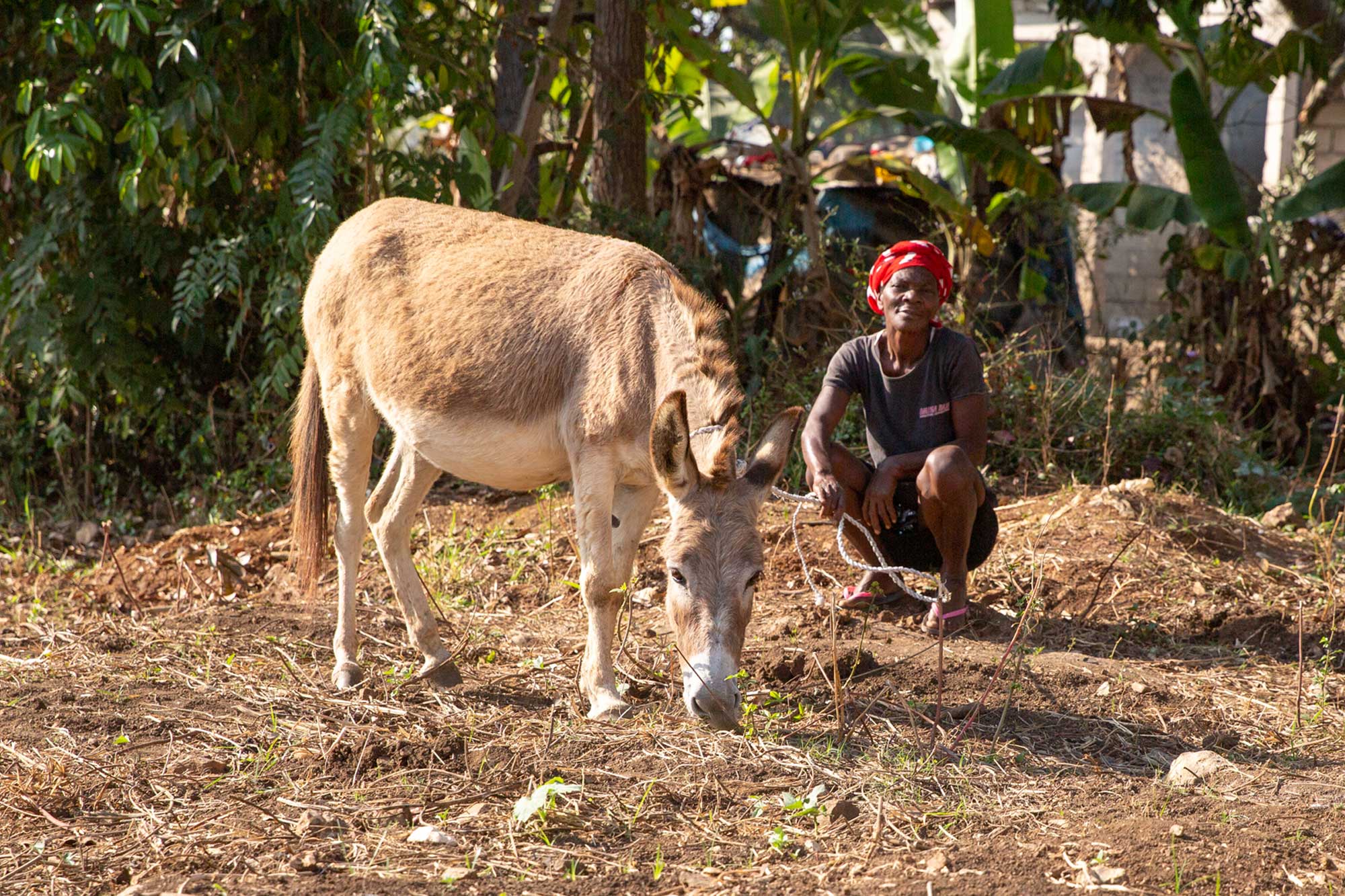
View the UN HLPF Side Event online
The jointly-hosted event looked at Working animals: Climate change and public health issues in achieving the Sustainable Development Goals.
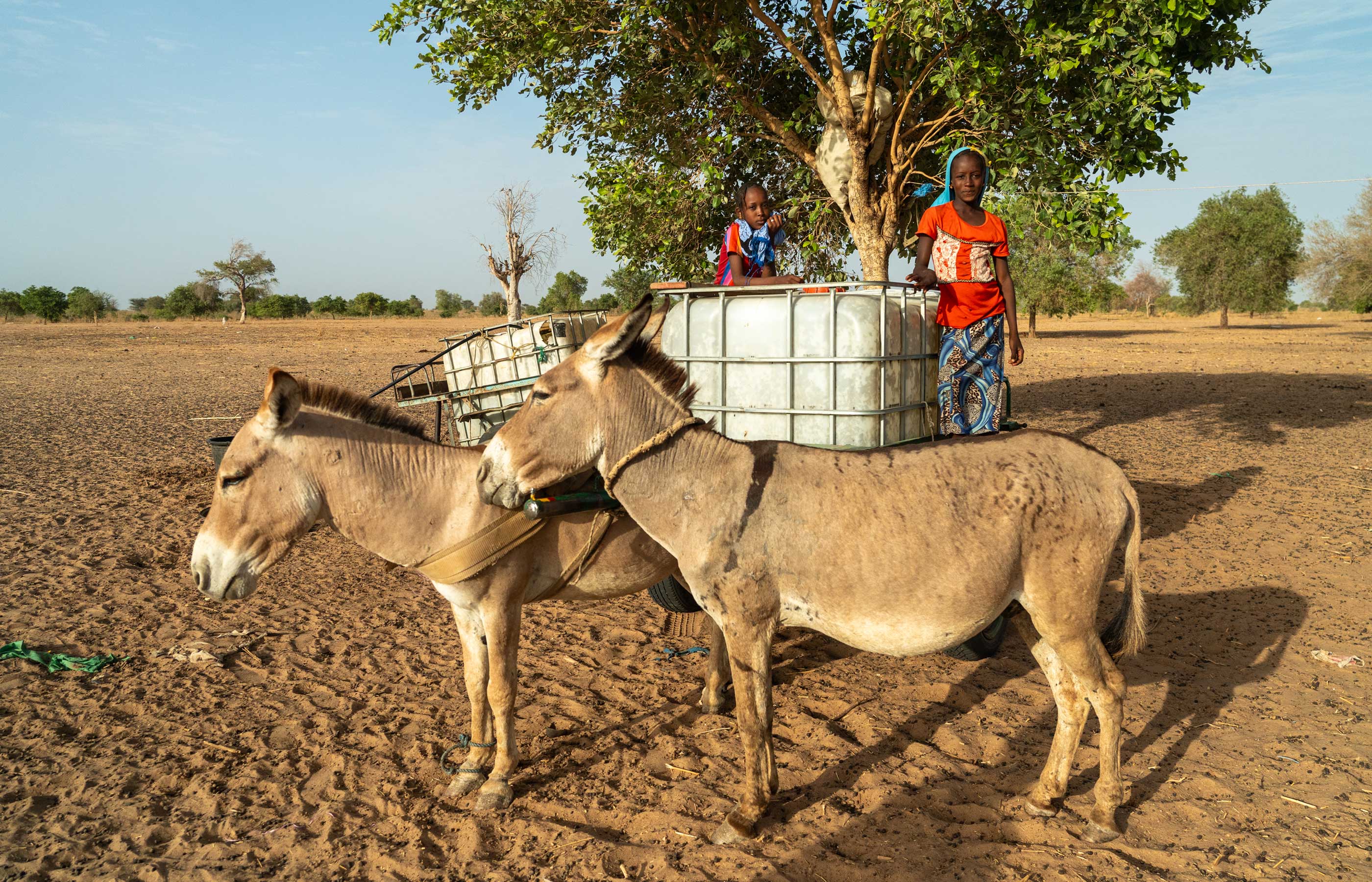
African leaders commit to a strategy to protect the continent’s donkeys from the brutal skin trade
Leaders and key decision-makers reaffirmed their commitment to enforcing the implementation of Africa’s moratorium on the donkey skin trade.
Recommended Blog Posts

“When I grow up, I want to work here”
This is something we hear from our younger visitors all the time and it was a dream that came true for groom Lorraine.
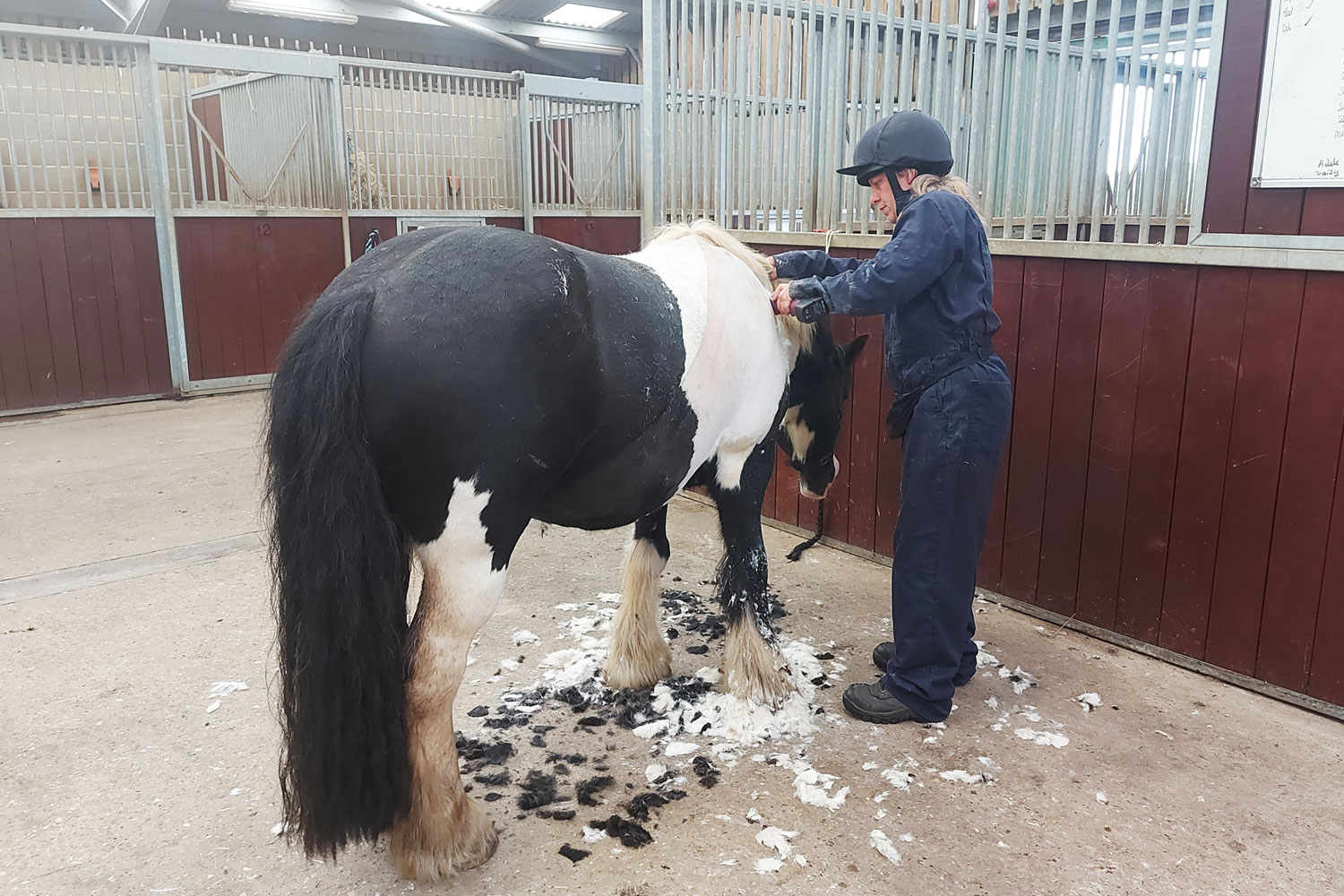
Clipping to help overweight horses and ponies lose weight
Hall Farm Yard Supervisor Adele tells us how clipping can be a really useful weight management tool, especially for horses and ponies who can’t be worked.
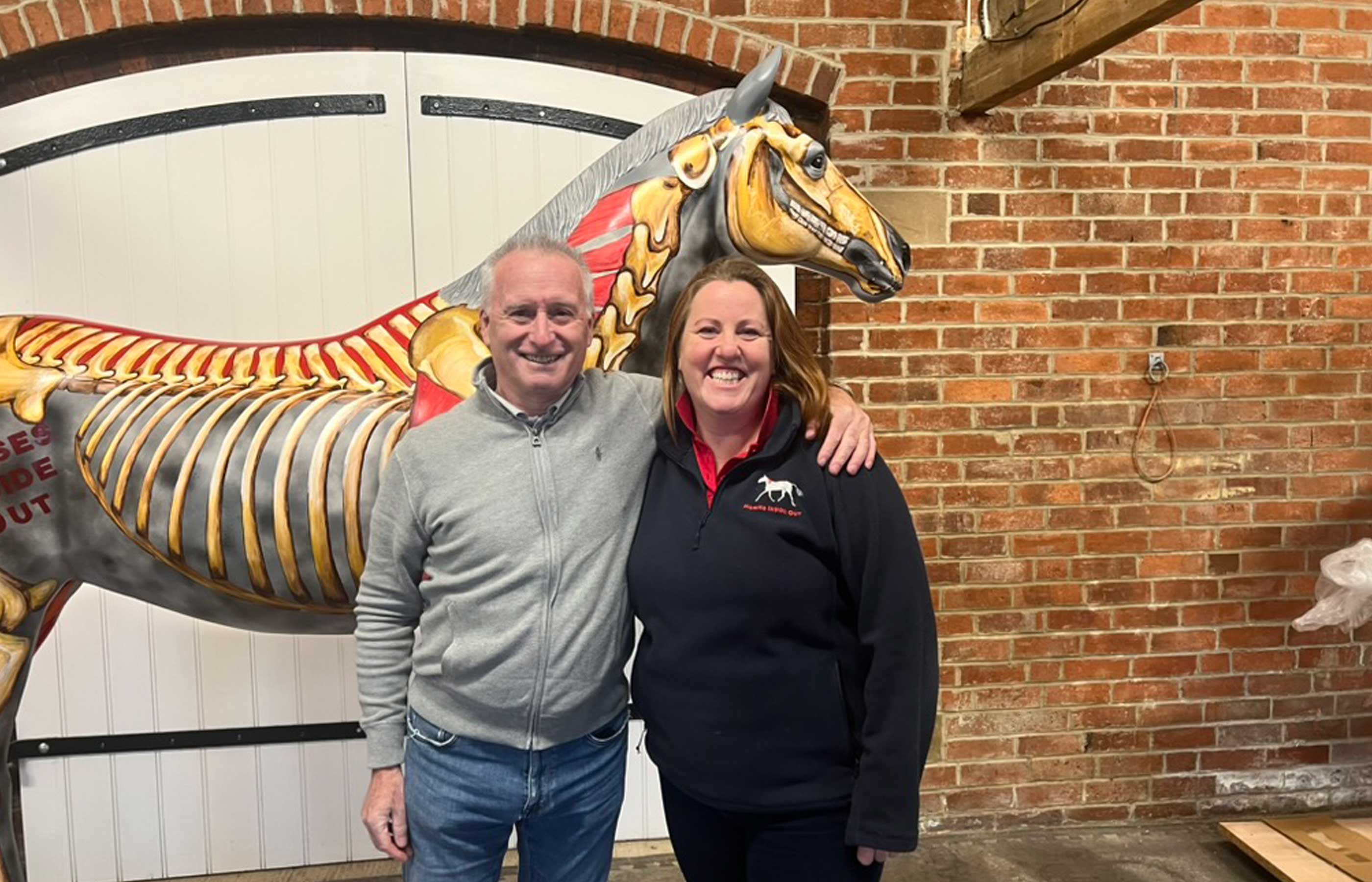
Holistic training – a kinder, smarter way to work with your horse
Learn about a holistic approach to training horses with our special guest blog from Horses Inside Out.
Enjoy reading stories like this?
Join over 65,000 other horse lovers and sign up for our email newsletter
Join over 65,000 other horse lovers and sign up for our email newsletter
Sign me up now
