
We catch up with Belwade Farm Centre Manager Eileen to find out more.
Posted on 18/09/2025
Share


All of our four rescue and rehoming centres take a whole horse approach when it comes to the rehabilitation of the horses that come into our care. For Belwade Farm in Aberdeenshire, this process was adopted over 30 years ago. We caught up with Centre Manager Eileen after she recently showcased the method in our educational video series ‘Horses Explained’.
We’ve been using a whole horse approach to rehabilitation here at Belwade Farm since the early 1990s. We had horses, ponies and donkeys coming in from all walks of life and it was very apparent that it wasn’t just one person who had all the answers. With vets, farriers, physiotherapists and equine dental technicians involved, it was very much an all-encompassing approach to the specialist side of the rehab process.
The person who is the key to the whole horse approach, however, is the one who’s looking after that horse every day and gets to know them inside and out – their groom. The rehabilitation team start to connect with their individual horses as soon as they come off the lorry and begin building those relationships right from day one. They say when you’re looking for a dog that your puppy will choose you, and it’s very similar with horses arriving at the farm – they seem to instinctively connect with certain grooms.
It’s vital that we listen, watch, and learn what that particular horse – because they’re all individuals – actually needs. They come from very varied backgrounds and between us all – the specialists and, critically, the grooms – we have to try to find out what’s been going on in the past and what is going to be the future for each and every one.
With such a wide range of horses, ponies and donkeys coming into the farm, their past experiences and rehabilitation needs vary hugely. We have to learn about what each horse needs pretty quickly, and then we can set out a programme for their rehab. The semi-feral ones that come into our care can actually be easier to make progress with because they don’t need to be unravelled – there’s been no intervention by a human that has created negative associations.
When horses come in with a clearly troubled past, it’s a case of the team figuring out what’s gone on before. With horses from a domesticated situation, rather than a semi-feral one, we have to work out how they’ve been trained. What have been the issues with that training? Why has the horse stopped wanting to do things? We have to peel away the layers to be able to see the end result and then build up on what’s underneath. Then we look at what’s best for the individual horse in their future.
The ultimate aim of the whole horse approach to rehabilitation here at World Horse Welfare is to successfully get that equine ready for rehoming, in whatever category is right for them.
You can watch the whole horse approach ‘Horses Explained’ episode here – and if you’re feeling inspired to offer a home to one of our horses, ponies, donkeys or mules, you can check out our rehoming pages here.
Share
Topics
Related News
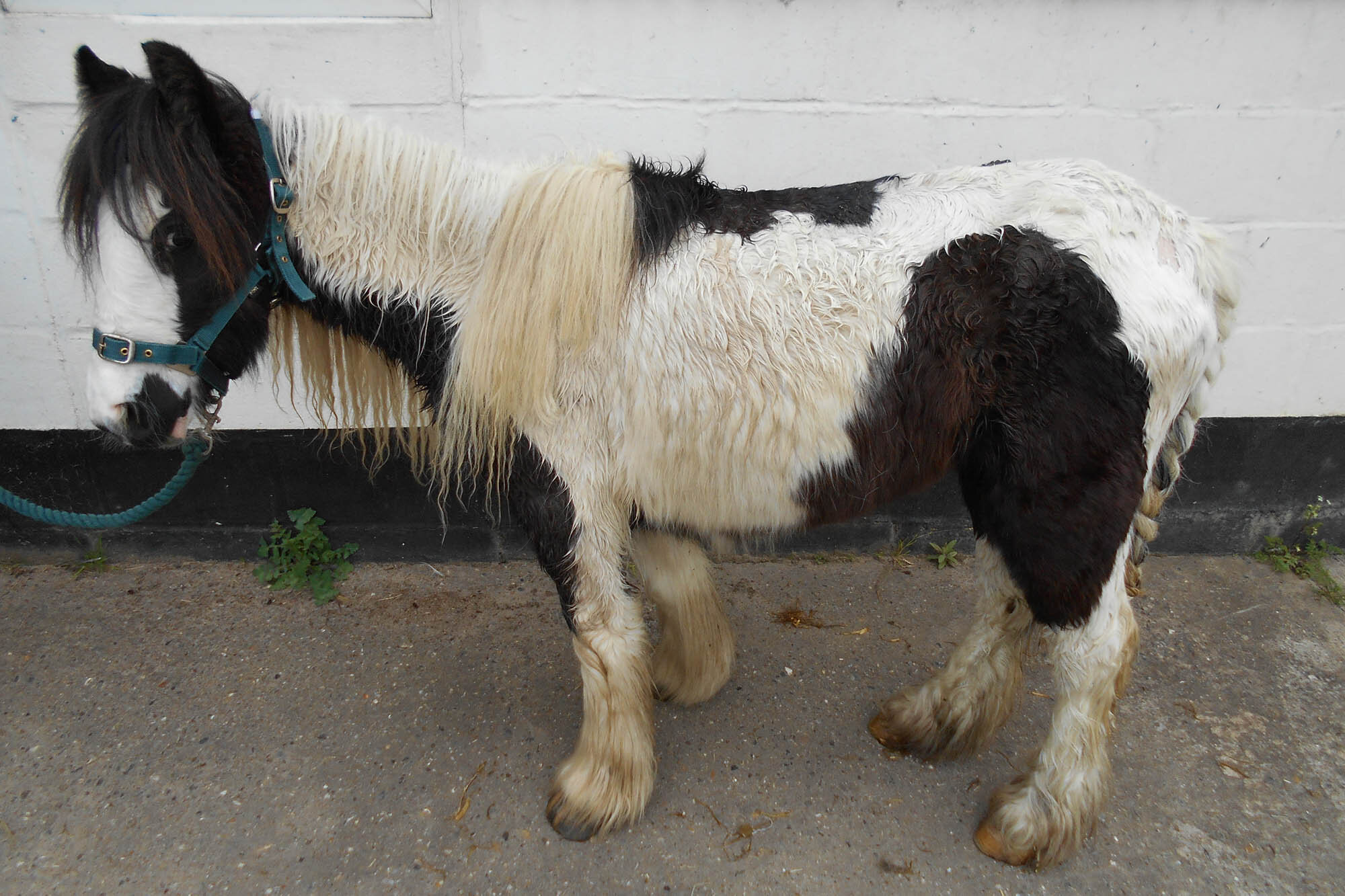
Appeal for information after third horse found dumped in less than two weeks
Charity calls for information after three horses are found dumped in less than three weeks.
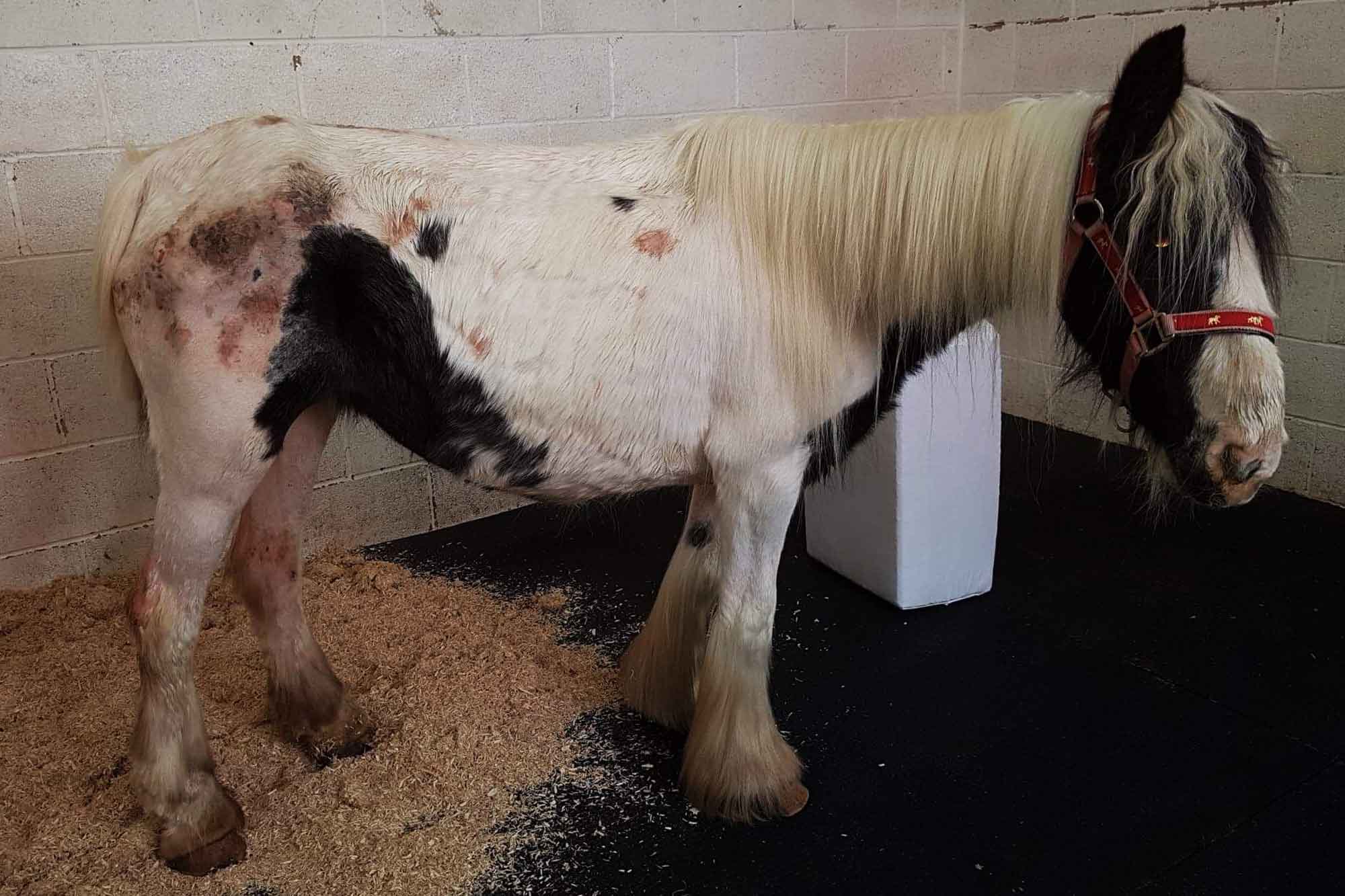
Buttercup was just skin and bone but now she’s a showing champion ready to find a home
Rescue pony Buttercup has been transformed since coming into our care emaciated and weak.
Recommended Blog Posts

Life beyond rescue: “Dylan has filled a huge hole in my heart”
Find out how 16-year-old gelding Dylan and his rehomer Rebecca have grown together.
Can you cut the costs of horse ownership without compromising on their care?
Chief Field Officer Claire Gordon looks at ways to cut costs without compromising on care.
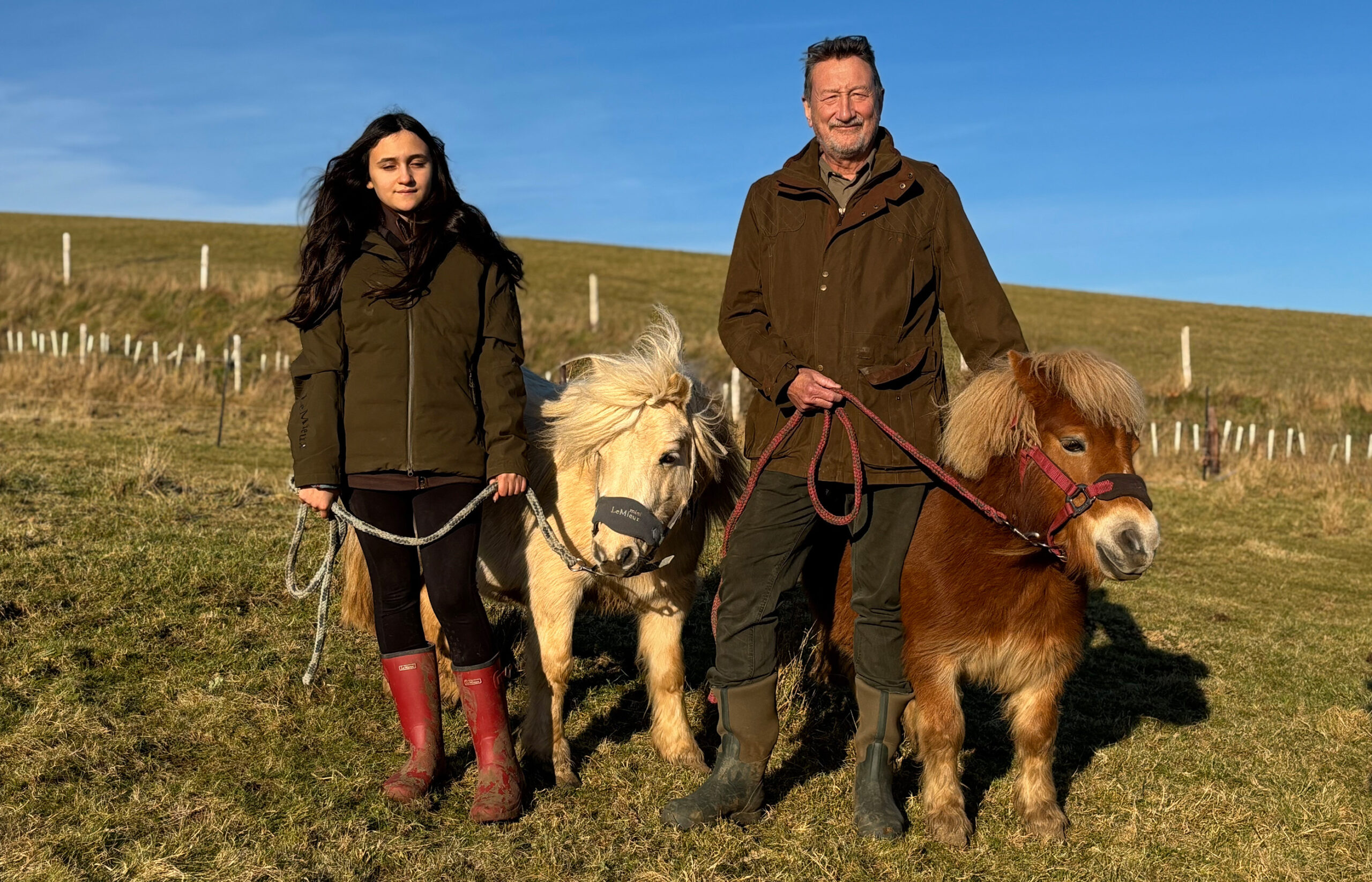
“I am a horse”
We catch up with the creator of Peaky Blinders to find out how important horses are to him and his family.
Enjoy reading stories like this?
Join over 65,000 other horse lovers and sign up for our email newsletter
Join over 65,000 other horse lovers and sign up for our email newsletter
Sign me up now
