
You’re not imagining it, your horse really does read your mood
The third episode of 'Horses Explained' explains the emotions horses experience, how they learn, how stress affects them, and much more.
Posted on 31/07/2025
Share


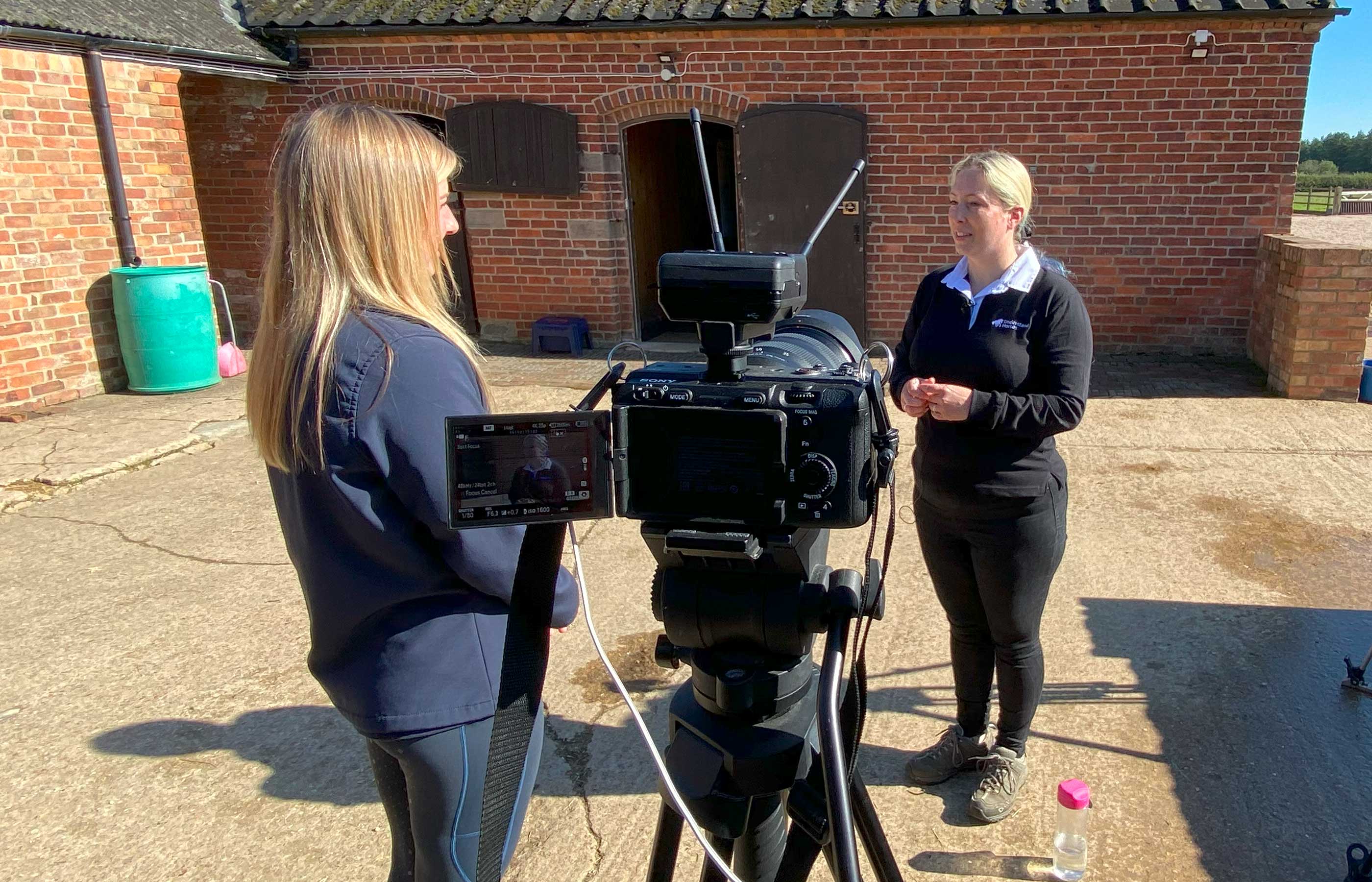
The latest episode of our free-to-view ‘Horses Explained’ series provides a wealth of fascinating insights into the horse’s brain. The third episode – now available on our Horses Explained page – sees neuropsychology lecturer and equine behaviourist Dr Emma Lethbridge join series presenter Nicole O’Malley. Dr Lethbridge explains the different emotions a horse can experience, how they learn, and their ability to indicate their preferences.
Referencing the growth in research into the emotional intelligence of horses of the last 10-15 years, Dr Lethbridge confirms something that many owners may have long-believed about their horses:
“The horse is very able to take emotional information and use that information, so horses are able to understand when we’re not happy and when we are in a pleasant mood. They do change their response, their vigilance, their way of being in response to that information, so we need to build that into how we are responding to them as well.”
For day-to-day management, owners need to consider how horses, as sentient beings, can experience both positive and negative emotions and are more than capable of indicating their preferences. “With regards to our husbandry – our care of them – and our training […] we need to think about how each of their emotions are going to be managed within their environment from the horse’s perspective and not from a human point of view,” explains Dr Lethbridge.
For riders who are surprised when their horses react to a seemingly harmless object like a plastic bag in a hedge, Dr Lethbridge explains how this is linked to their memories and ability to experience cumulative stress:
“Horses that are chronically stressed can have difficulty learning, they can have difficulty reasoning, and also difficulty in calming themselves, so they’ll be stressed for longer.”
The episode also covers how important sleep is to horses, and how it can be impacted by their stress levels or by a change in their environment – a familiar experience for anyone who’s ever had a bad night’s sleep in a strange bed.
The next episode of ‘Horses Explained,’ with equine anatomist Gillian Higgins of Horses Inside Out, airs on 1st August and is must-watch for anyone wanting to know more about how their horse’s bones and muscles work. The remaining episodes in the series are:
- 8th August: Heart & Lungs – with equine vet and endurance specialist Sarah Coombs
- 15th August: Hormones – with vet and endocrine specialist Andy Durham
- 22nd August: Reproductive System – with equine vet and reproduction specialist James Crabtree
- 29th August: Hooves – with farrier Jay Tovey
- 5th September: Whole Horse – with vet and equine behaviour specialist Gemma Pearson
All the ‘Horses Explained’ videos released to date can be found on our Education YouTube channel or our Horses Explained page.
Share
Topics
Related News
Webinar: Dispelling Common Nutrition Myths
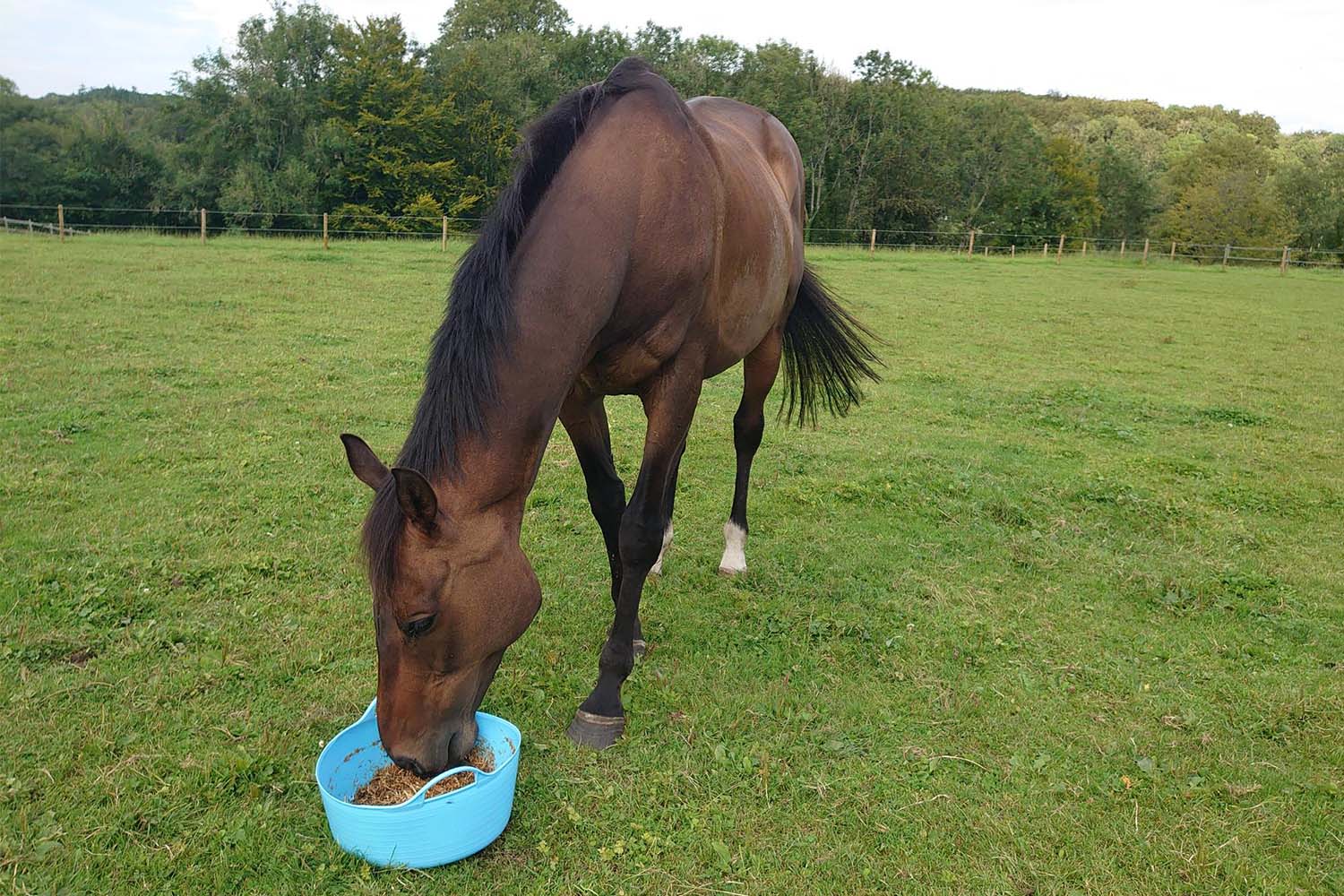
Welfare Wednesday Webinar: Dispelling 'nutribaloney' equine nutrition myths
Popular video series Horses Explained returns with expert line up
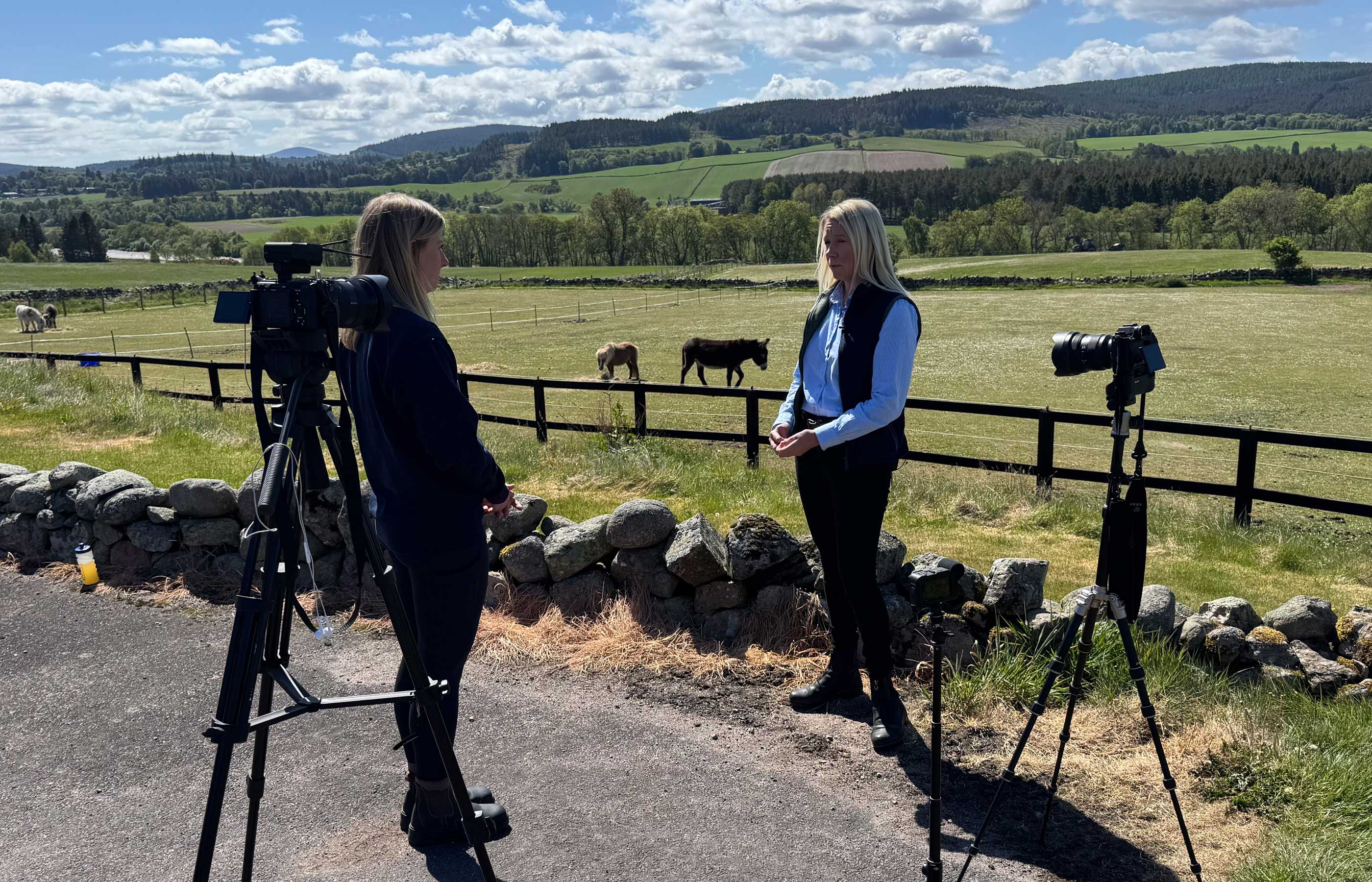
Horses Explained is back for a third series, offering practical, expert-led guidance on giving horses a good life at every stage.
Recommended Blog Posts
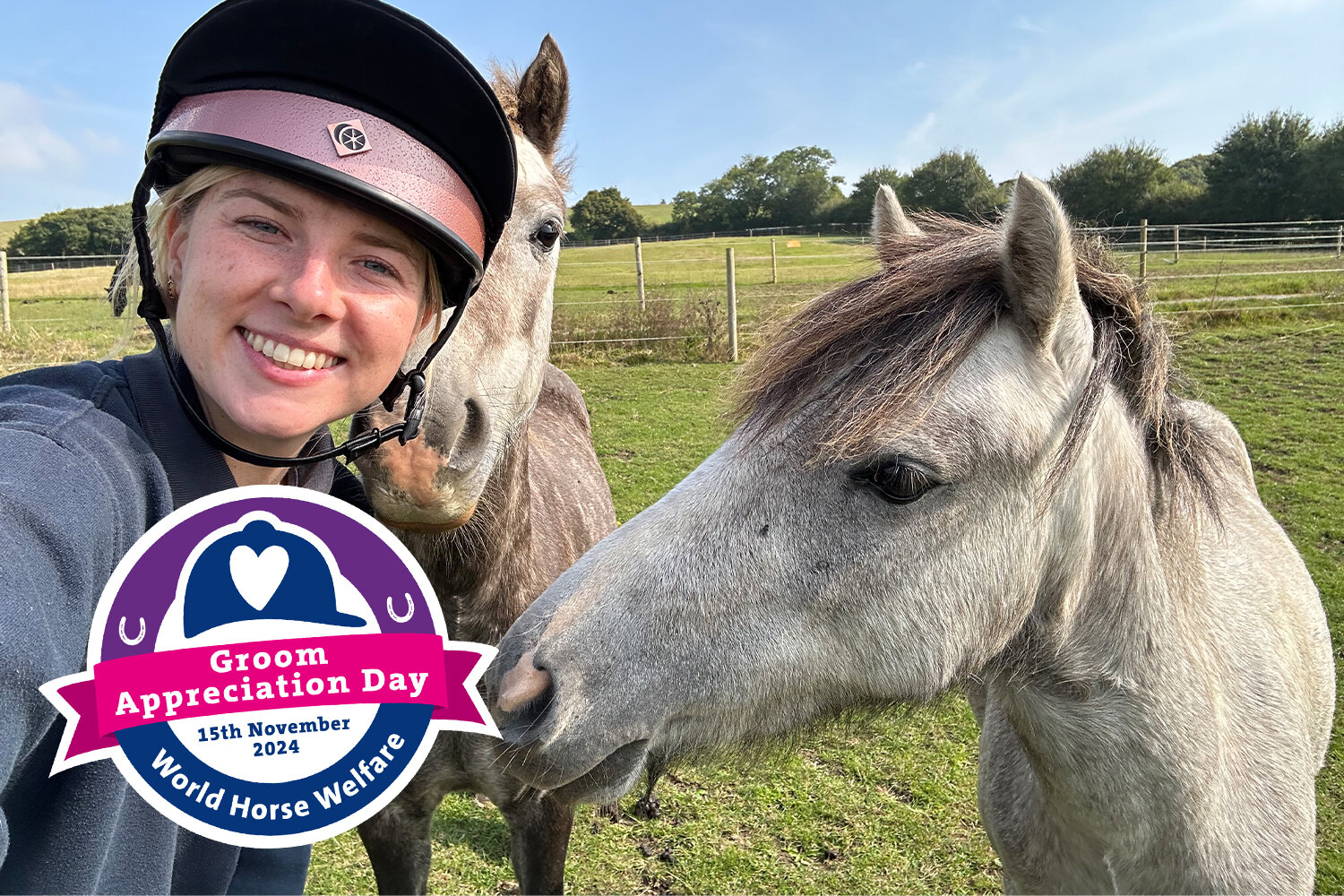
Meet some of our often-unsung heroes on Groom Appreciation Day – Nicole at Glenda Spooner Farm
"I feel honoured to have this opportunity and proud to be making a difference to the lives of so many equines."

Retraining to build trust and increase confidence
We catch up with Belwade Farm groom Kirsty, to find out more about Clover’s story.
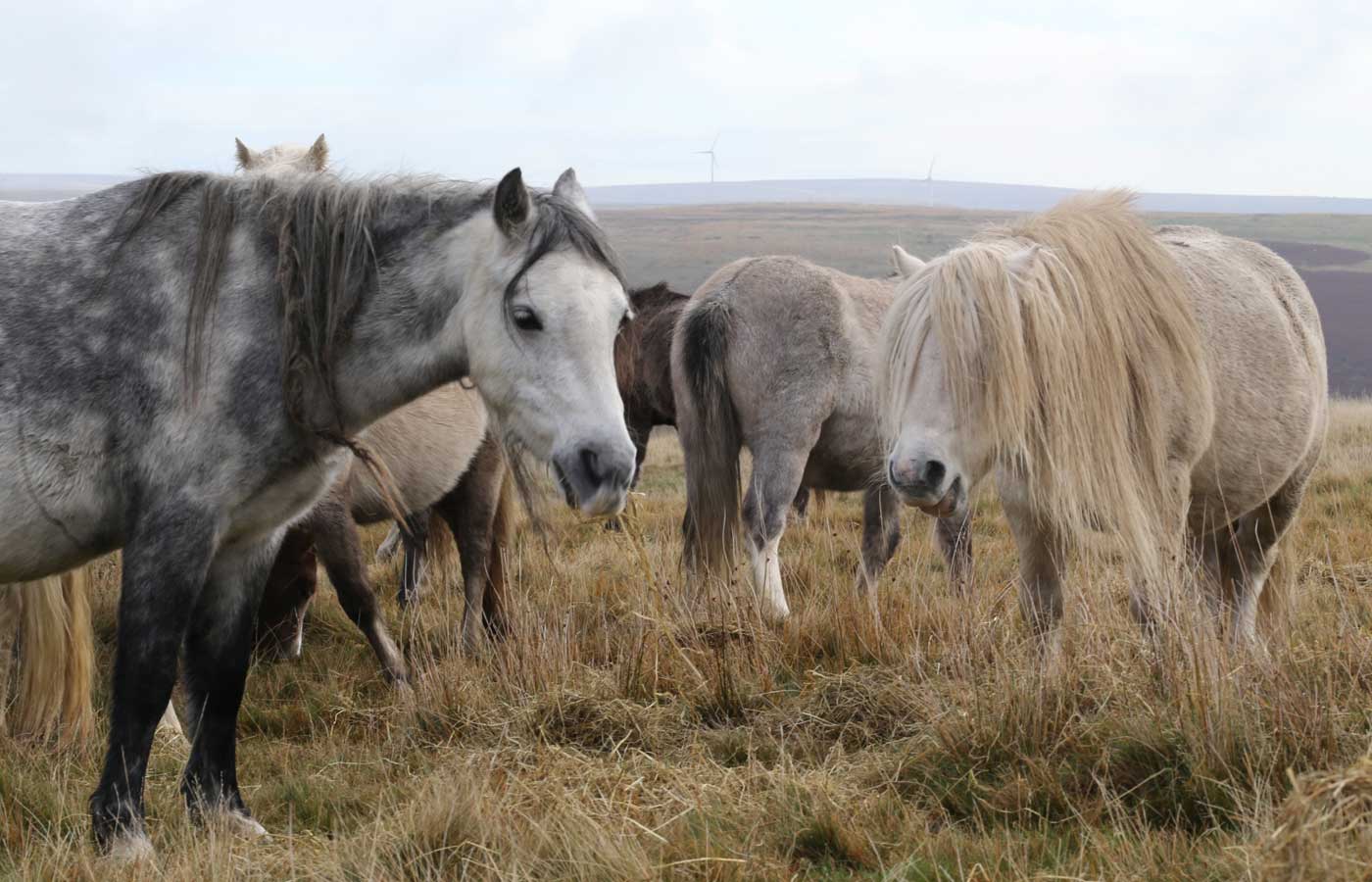
Ponies in the Black Mountains
Find out how to report a pony you’re worried about and how we are working with others towards a long-term solution.
Enjoy reading stories like this?
Join over 65,000 other horse lovers and sign up for our email newsletter

Join over 65,000 other horse lovers and sign up for our email newsletter
Sign me up now
